All of these publications covered LGBTQ+ opinions, protests, and events that related to the Bicentennial. Many of them even featured travel guides for queer tourists. Some of these guides were extensive, such as the guide in Philadelphia Gay News, which featured over 30 LGBTQ+ sites, demonstrating a burgeoning network of bars, organizations, and businesses.
These publications were of paramount importance at a time when mainstream media didn’t adequately cover LGBTQ+ topics. And when they did, there were serious concerns about how the community was represented. On May 12th, 1974, the Inquirer’s Today magazine’s cover story “The Gay Revolution in the Cradle of Liberty,” featured stories about members of Philadelphia’s LGBTQ+ community. The article was criticized for a biased perspective on the community and its cover image. Members of the Gay Activist Alliance responded through the Gay Media Project by holding meetings, writing letters, and staging protests.
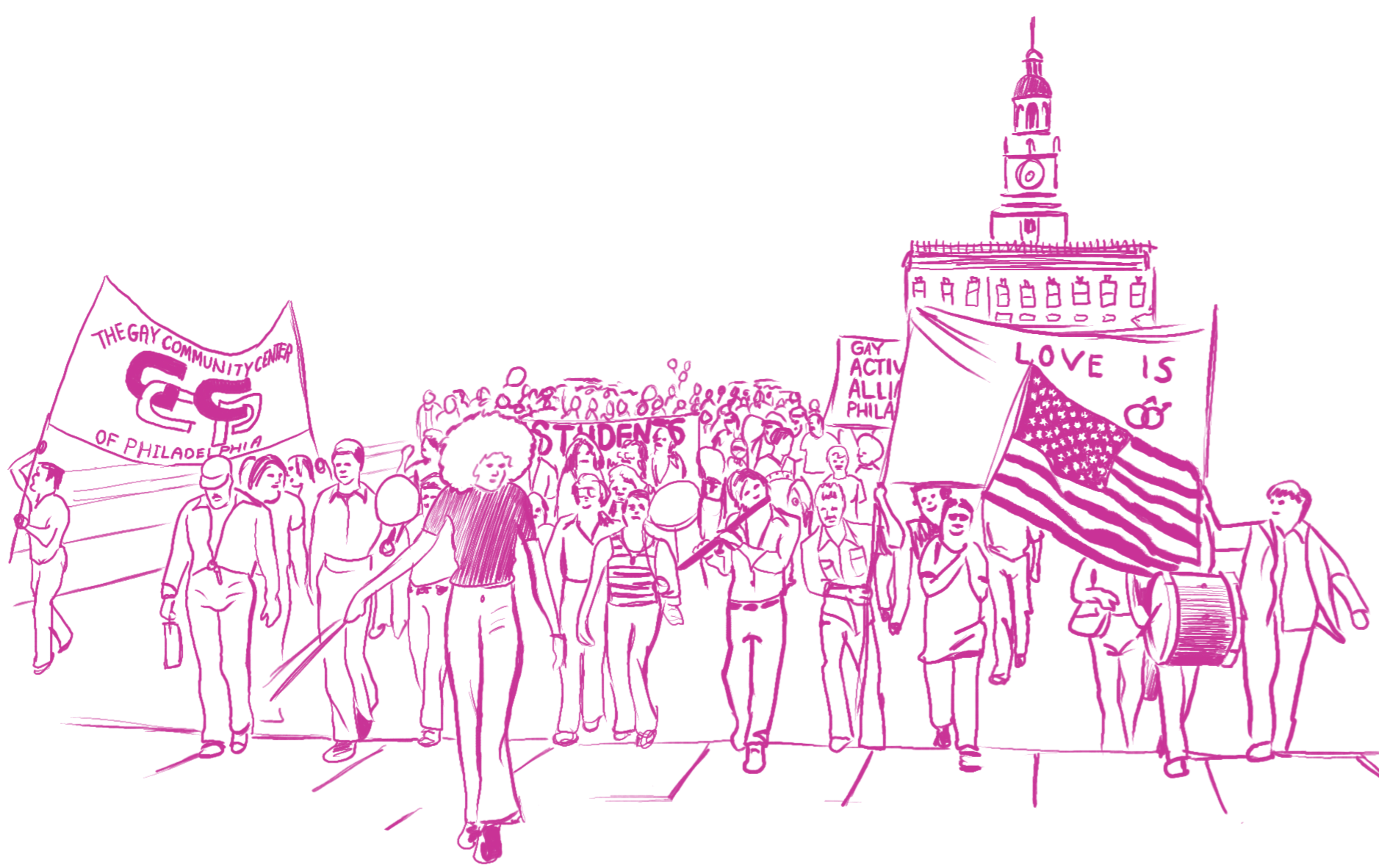
The William Way LGBT Community Center was originally founded as the Gay Community Center of Philadelphia (GCCP) in 1974. In late 1975, the search committee found a space to rent at 326 Kater (just below 4th and South). The space had been a warehouse and horse barn, and required countless hours of volunteer work. GCCP finally opened on April 23rd and 24th, 1976, with a party, art exhibition, and a dance. Instead of a single founder or small group, the Center’s founders were a large group of community members. Decisions were generally made by consensus in their early meetings, and the Center relied on grassroots fundraising and was sustained entirely by volunteers.
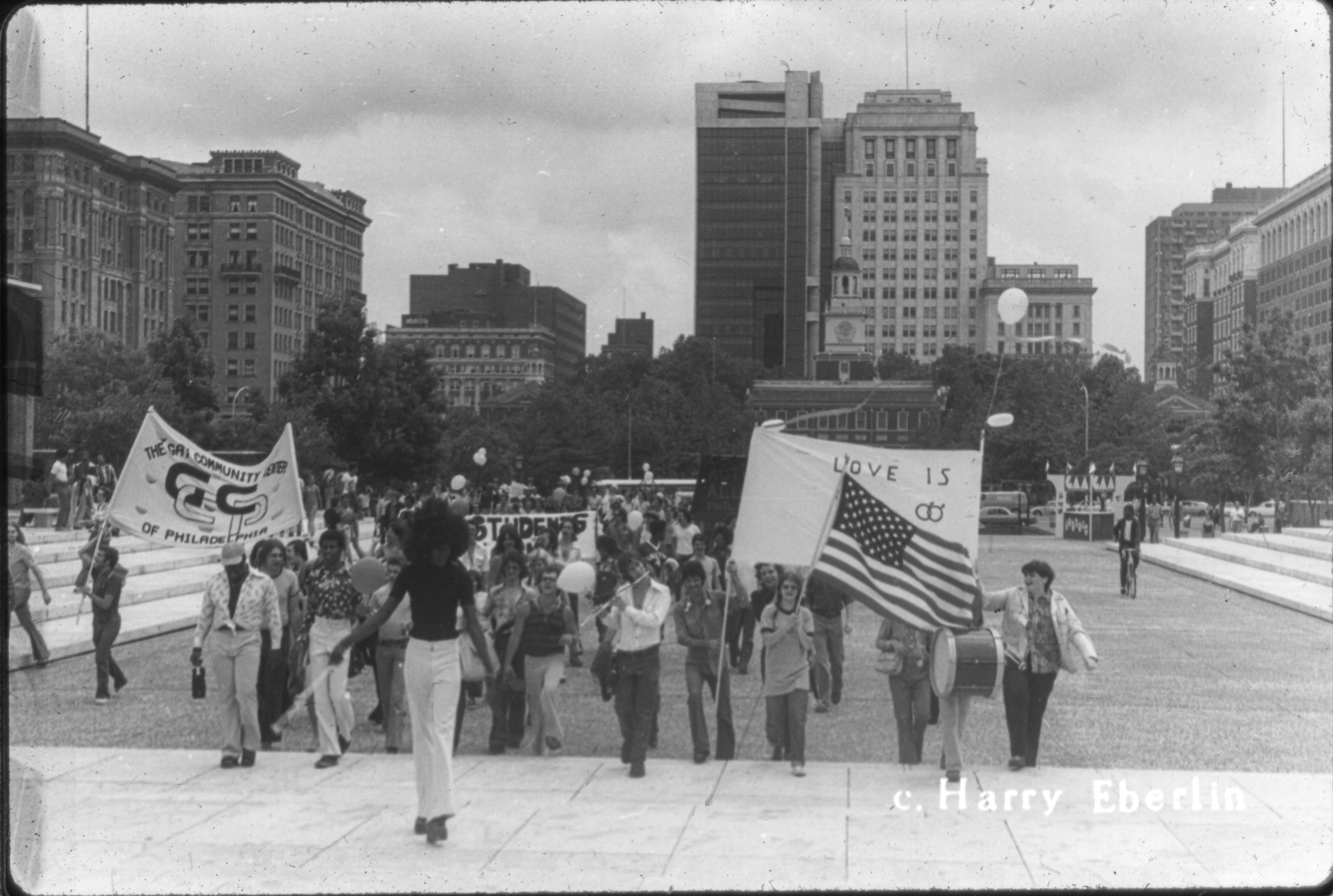
The Gay Community Center of Philadelphia participated in its first Pride march in 1976, which was also the year that Milton Shapp would make history as the first US governor to officially proclaim Pride Week.
Amazon Country - Arleen Olshan
Victoria Brownworth hosts Amazon Country with Roberta Hacker interviewing Arleen Olshan of the Gay Community Center. Available online through the Lesbian Herstory Archives Audio/Visual Collections.
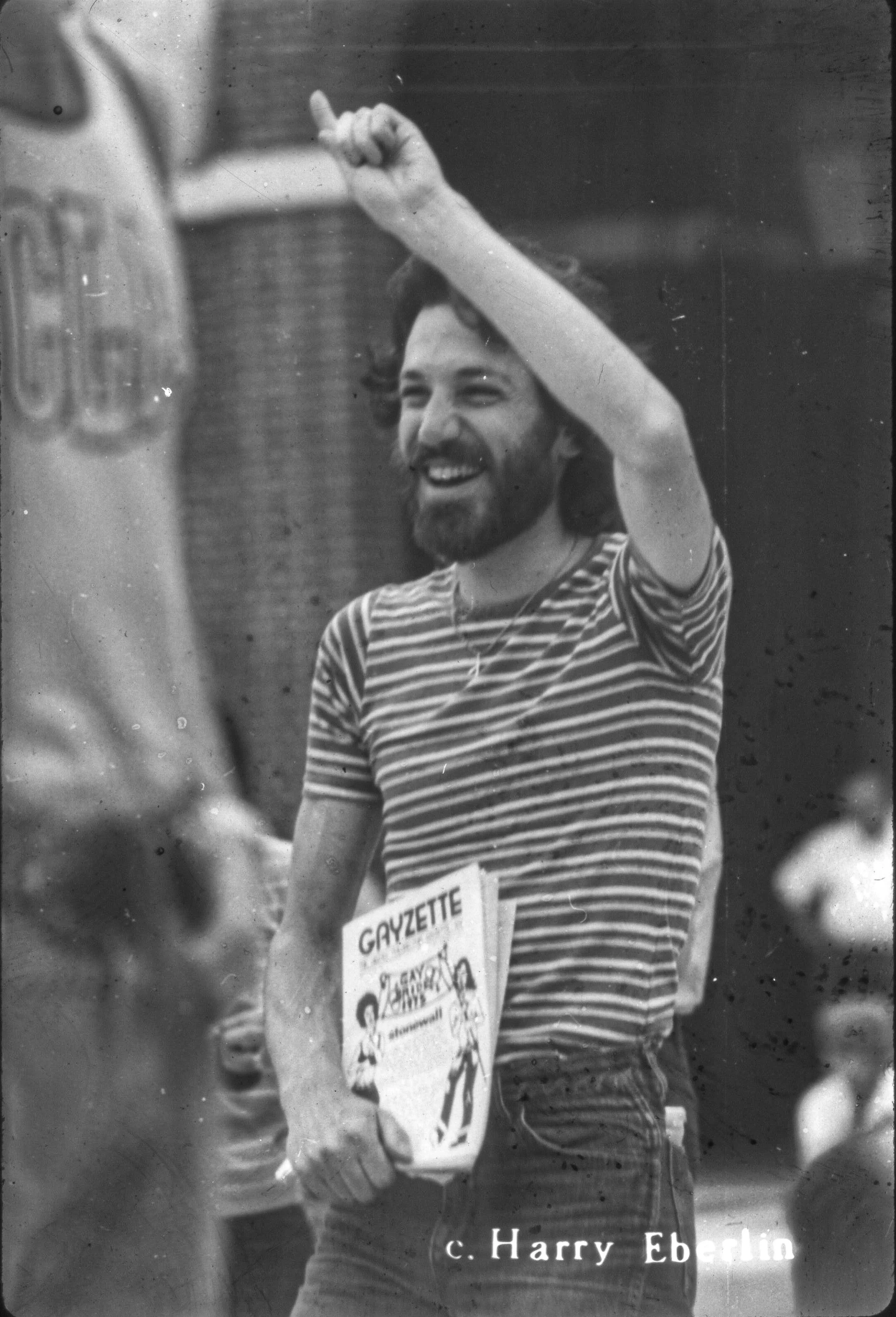
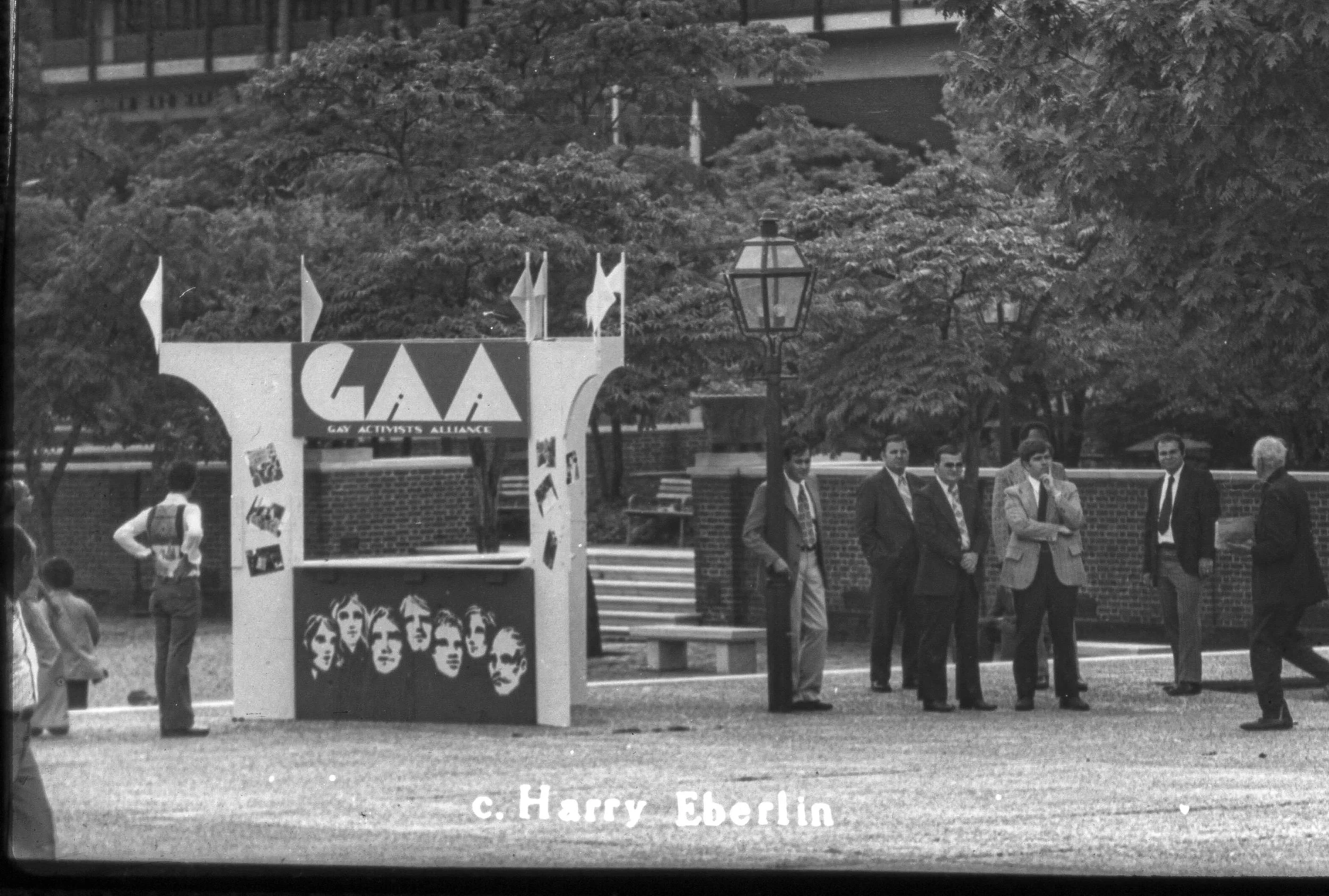
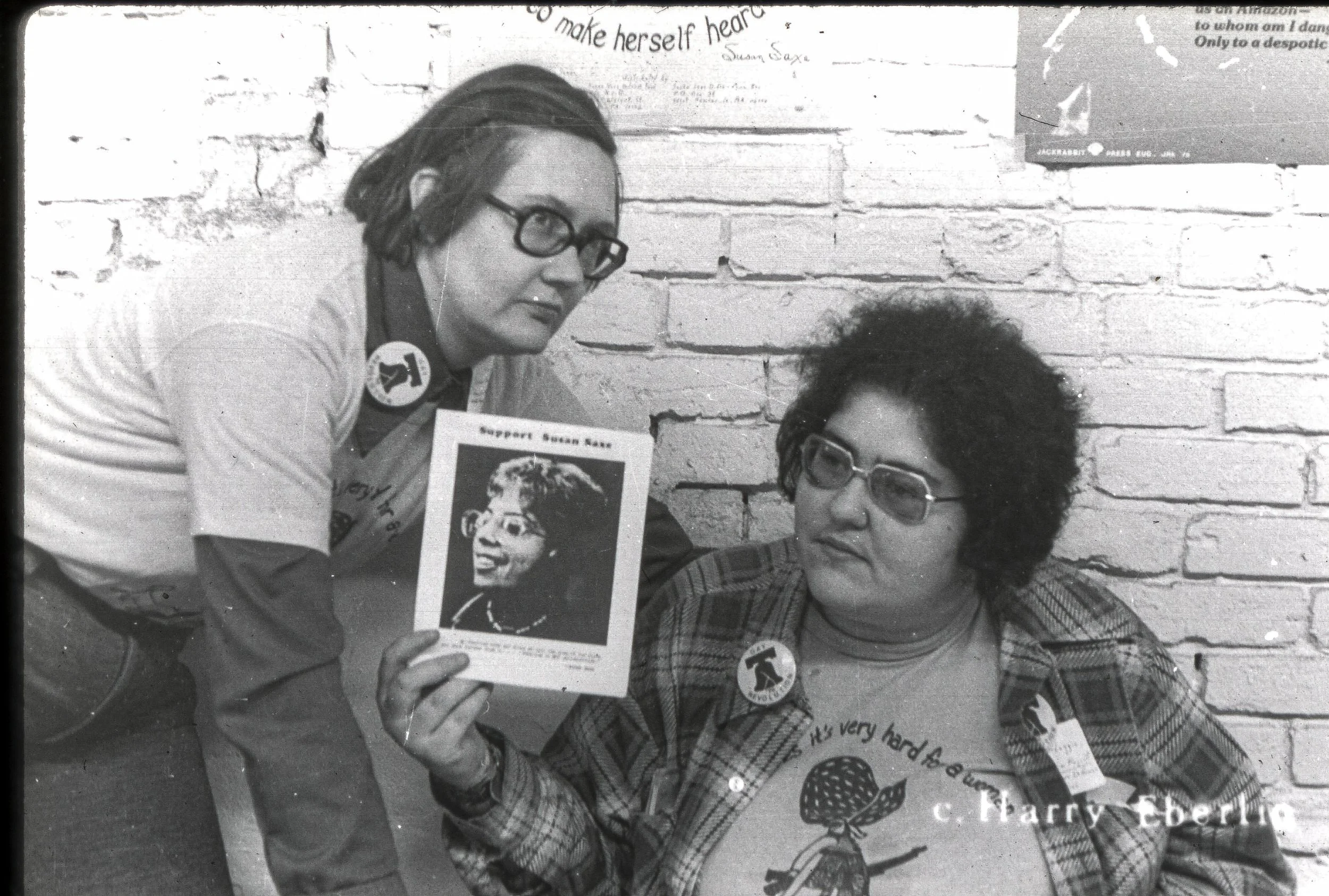
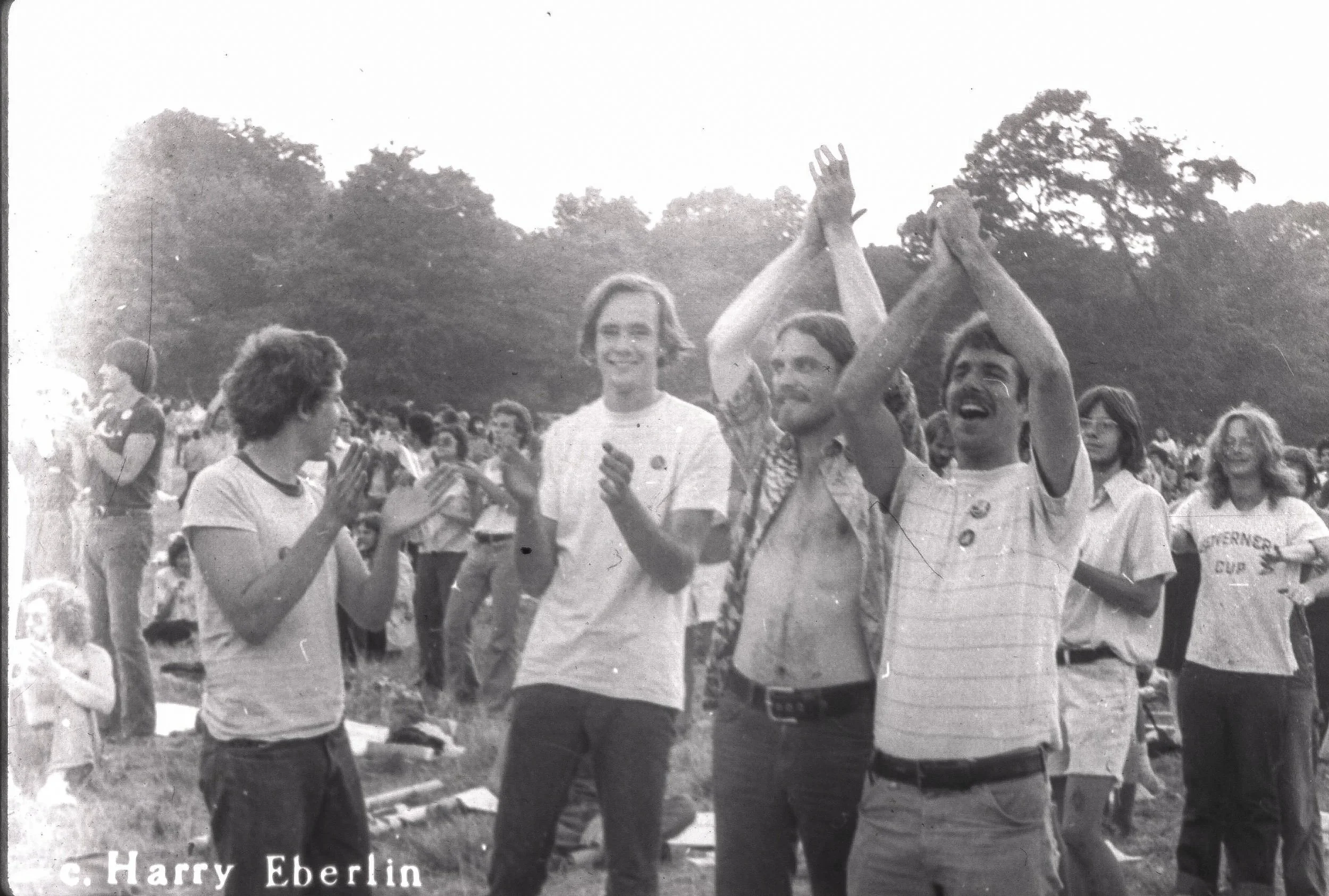
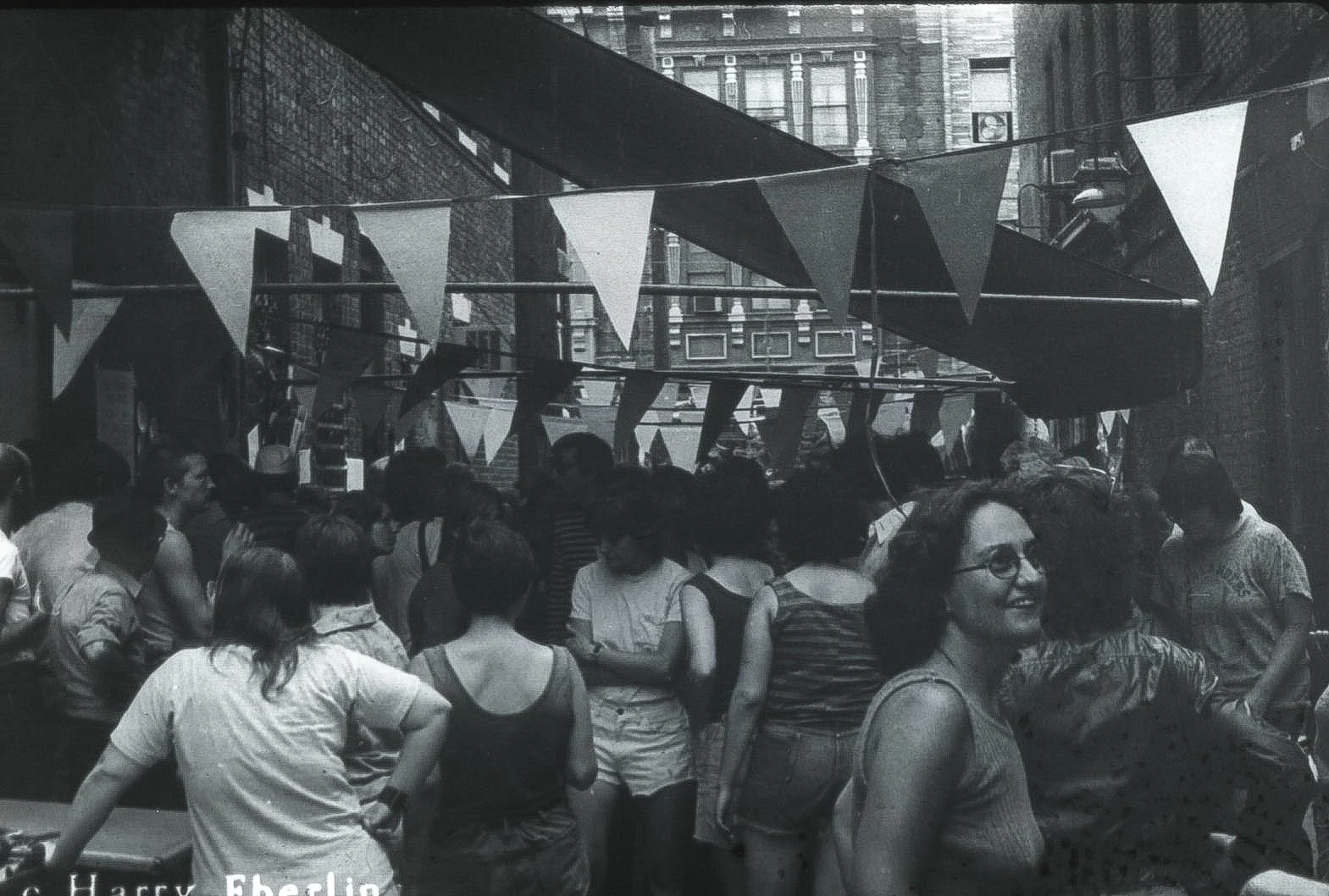
Photographs from the Harry R. Eberlin Photographs Collection, John J. Wilcox, Jr. Archives at the William Way LGBT Community Center
(click to expand)
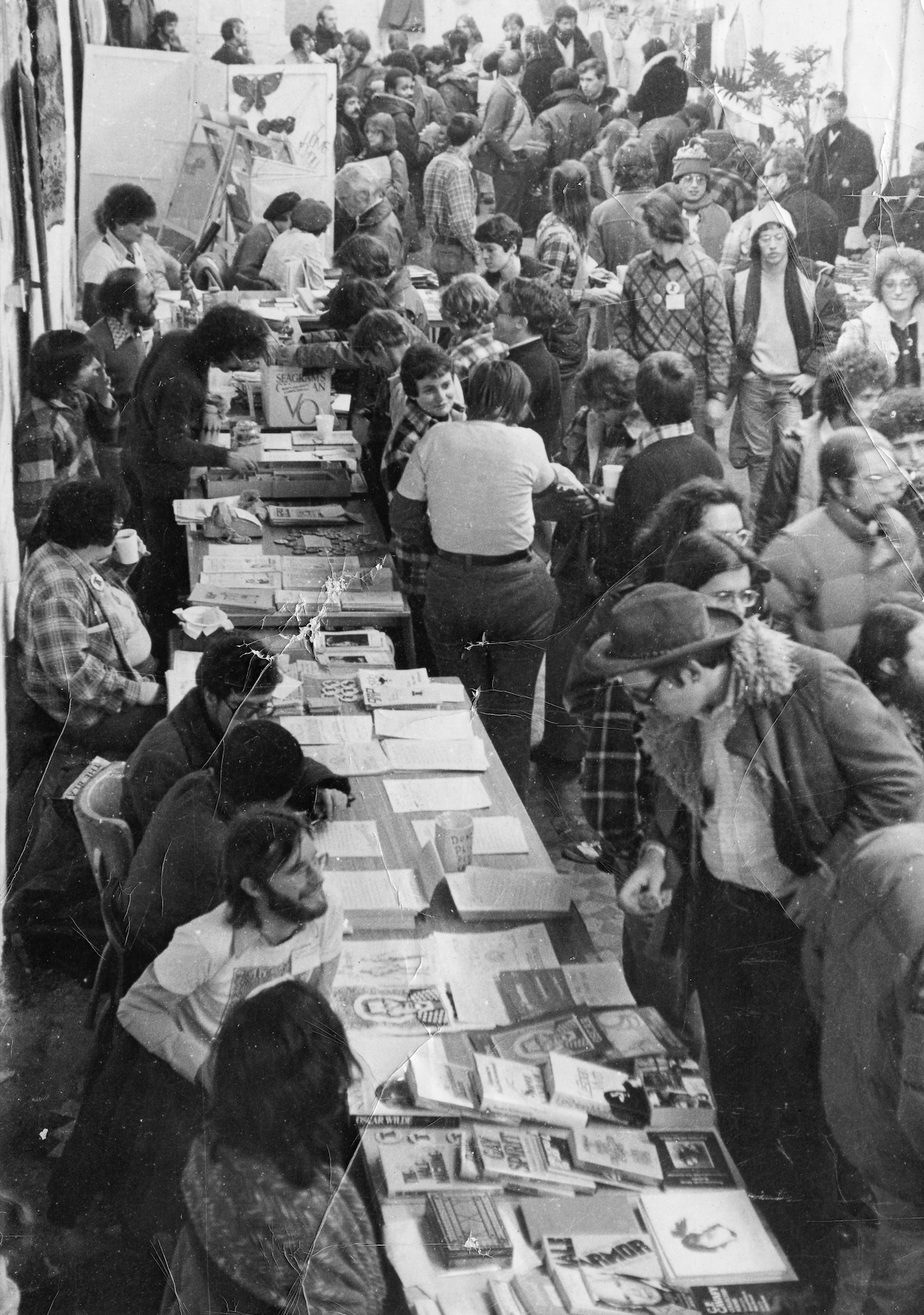
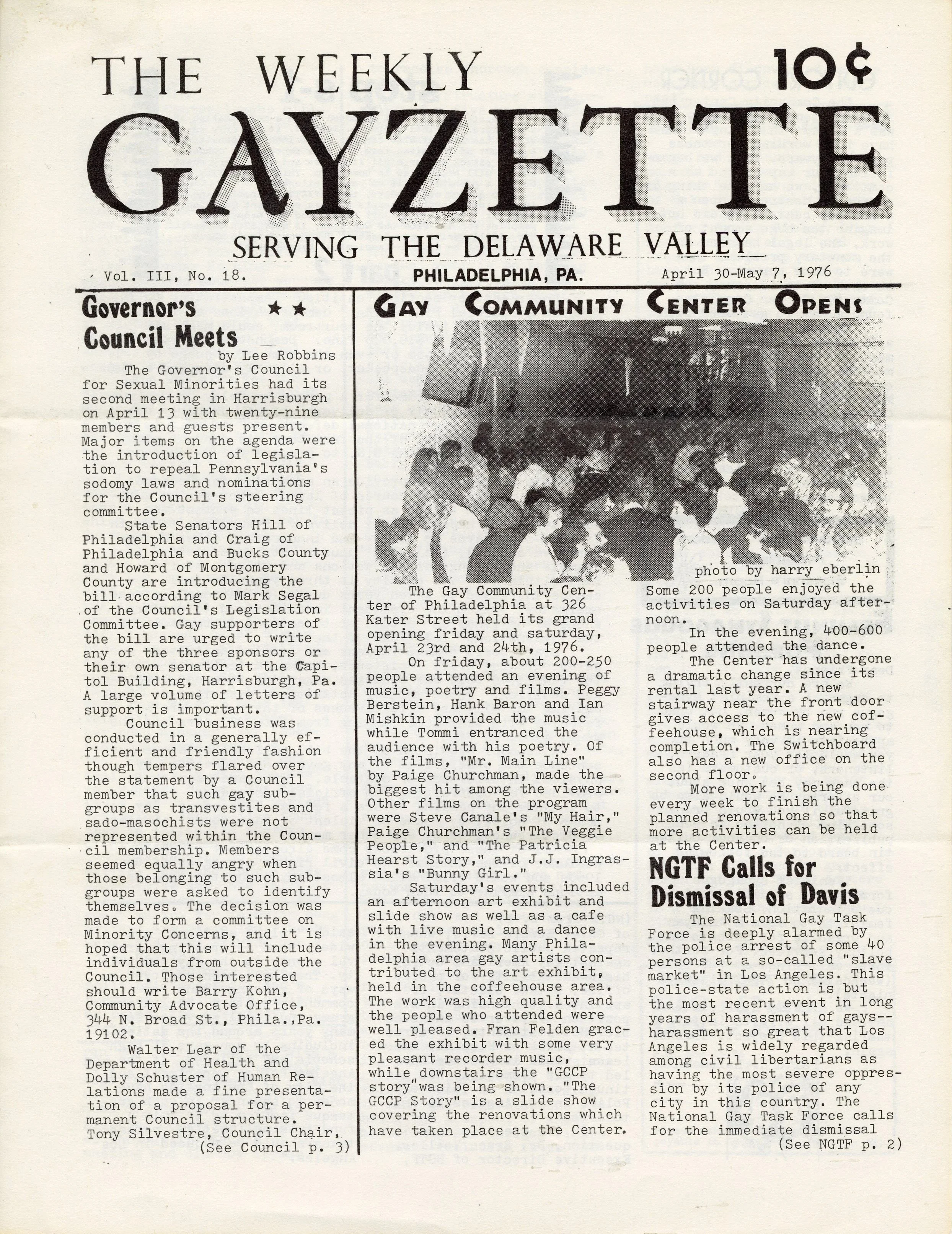
Periodicals collection, John J. Wilcox, Jr. Archives, William Way LGBT Community Center
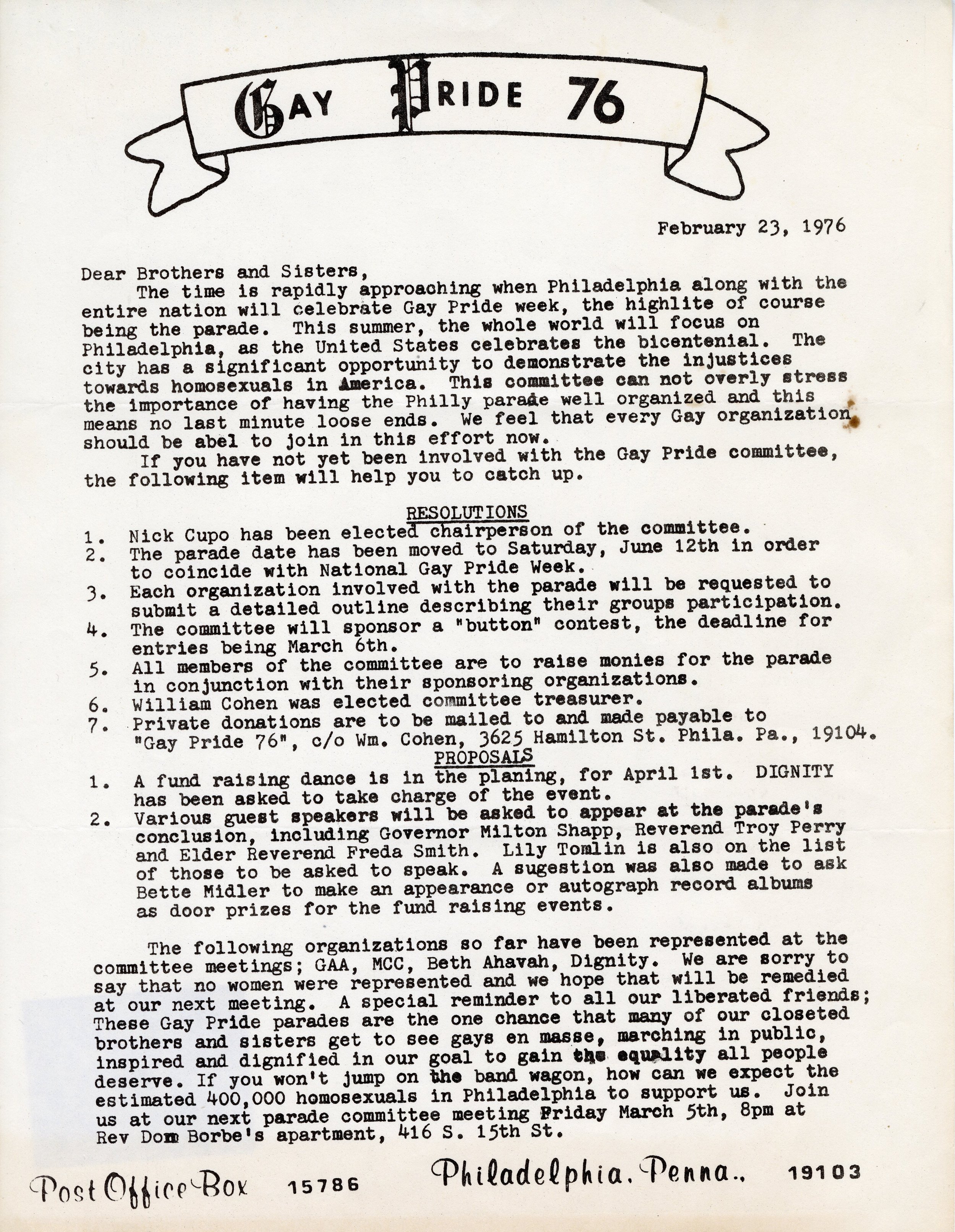
Tommi Avicolli Mecca collection, John J. Wilcox, Jr. Archives, William Way LGBT Community Center
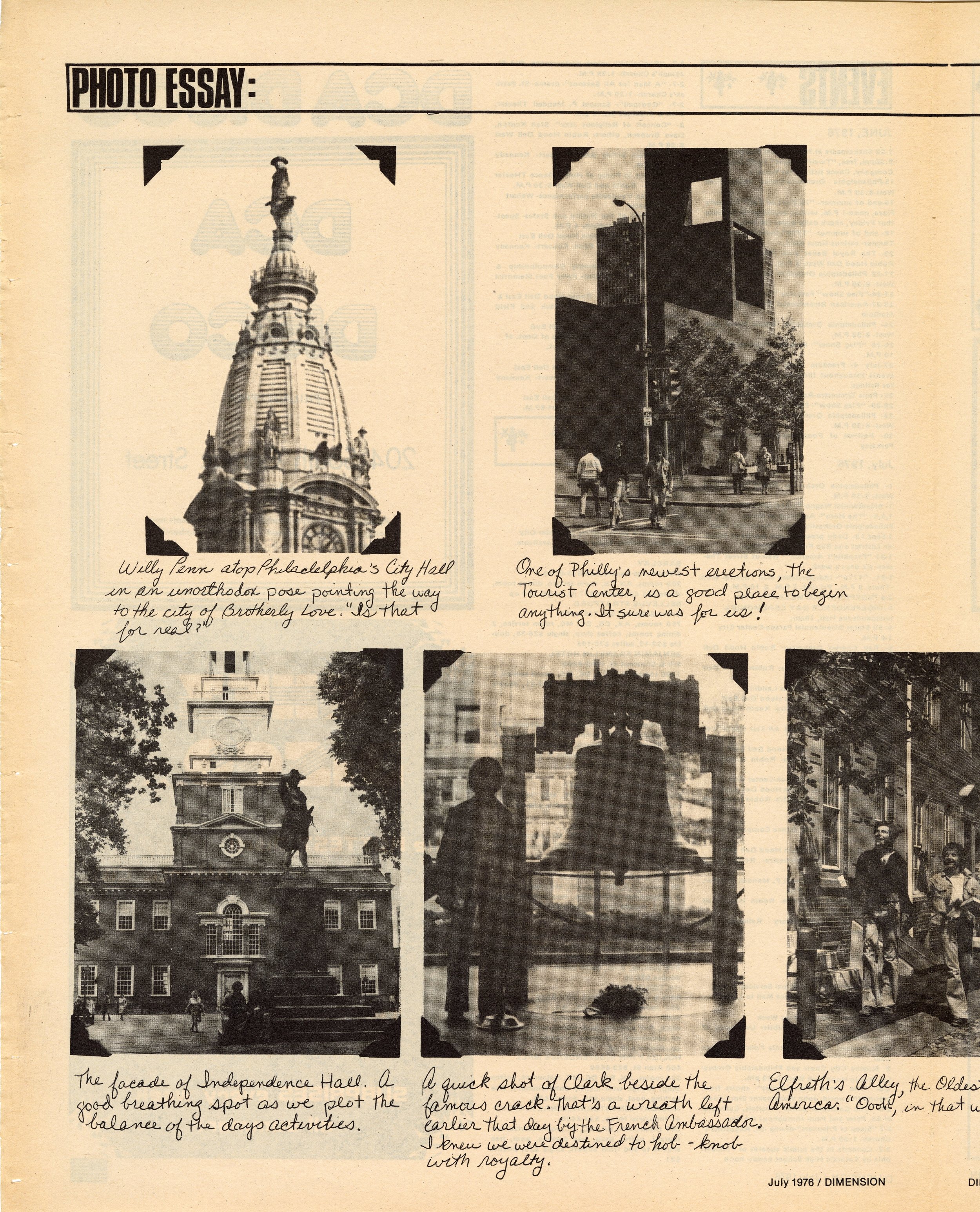
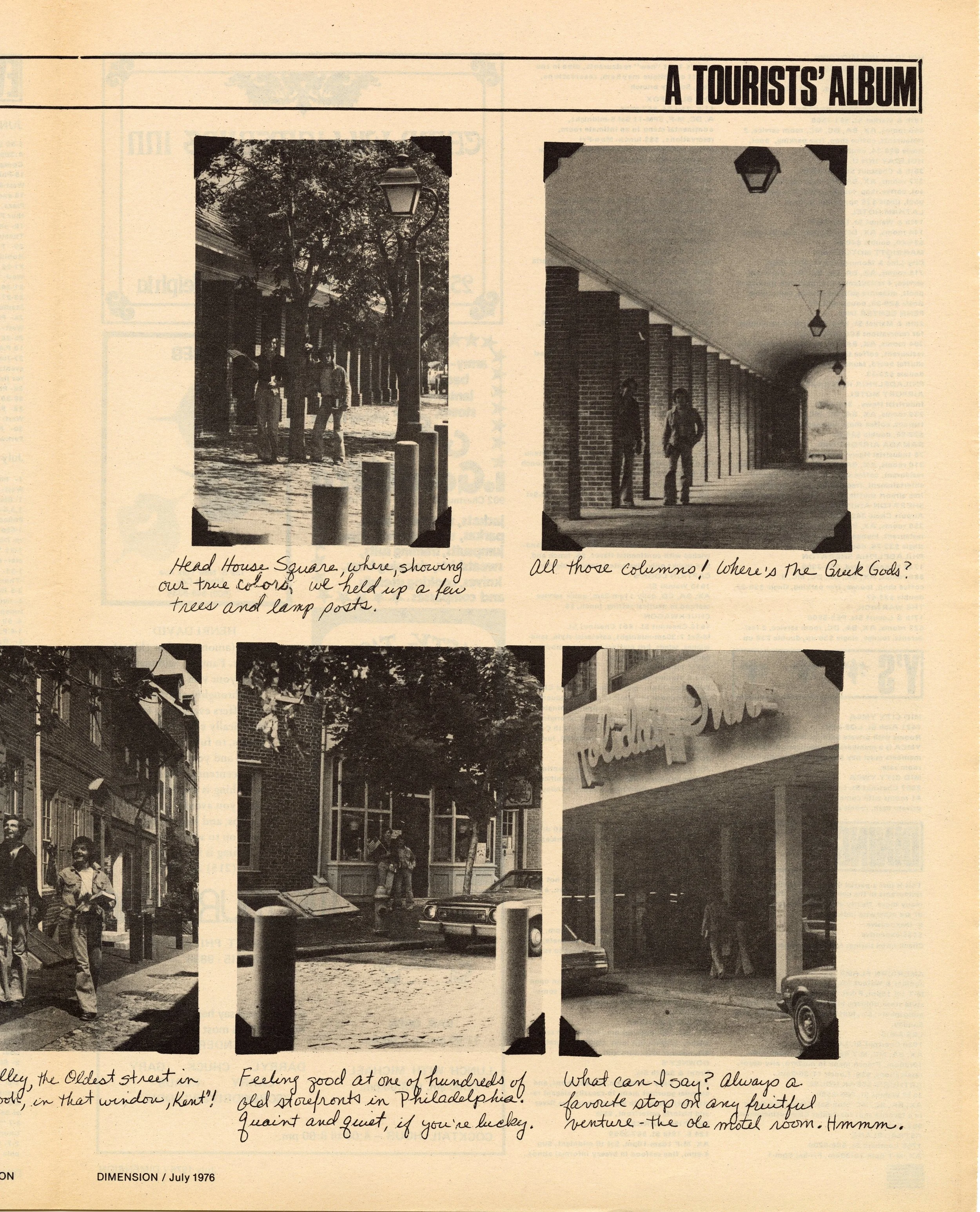
Periodicals collection, John J. Wilcox, Jr. Archives, William Way LGBT Community Center
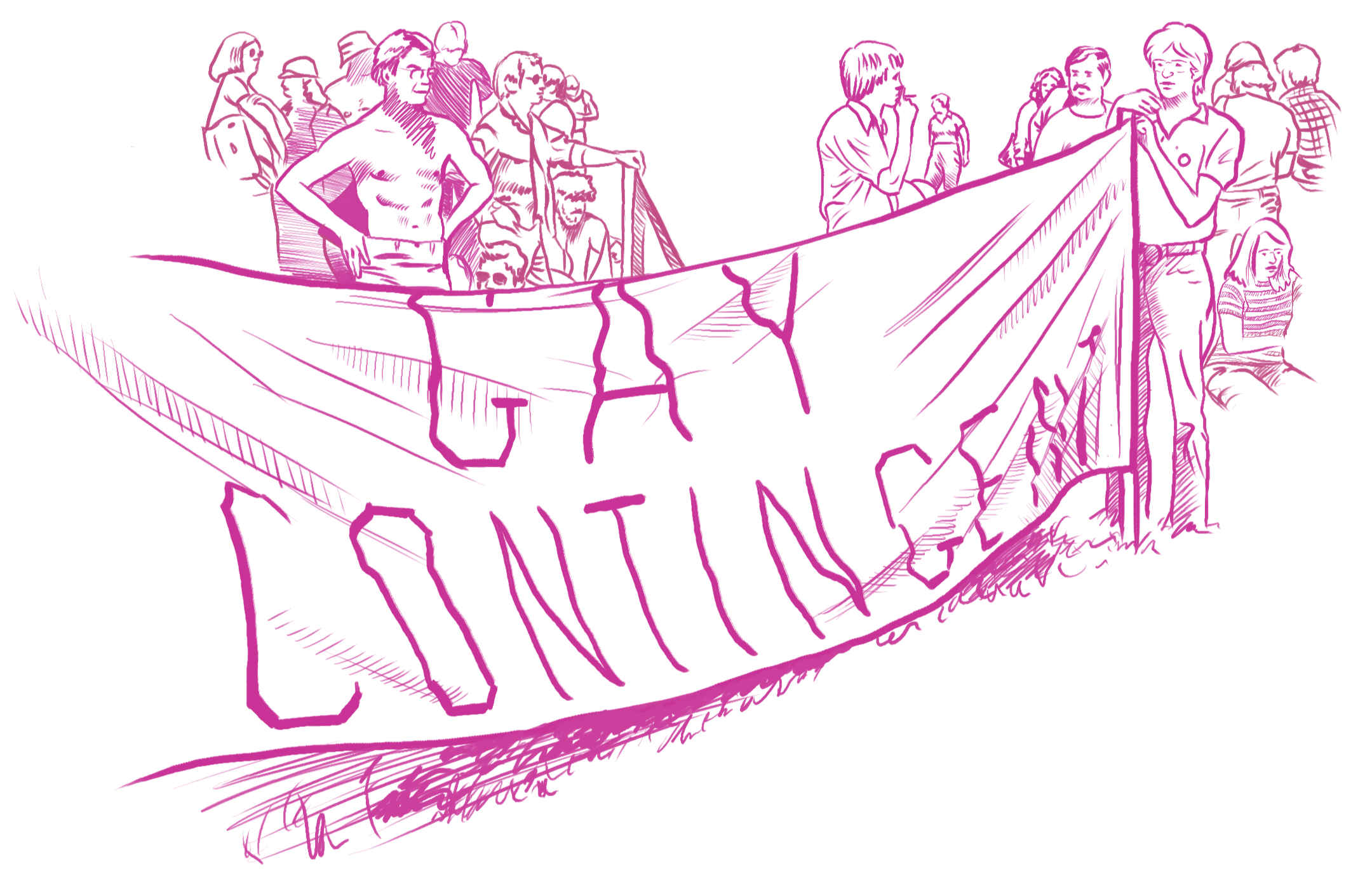
When the Bicentennial finally came on July 4th, 1976, it was anything but a moment of patriotic consensus, as counter-protests and alternative events were held throughout the city in rejection of the official celebration.
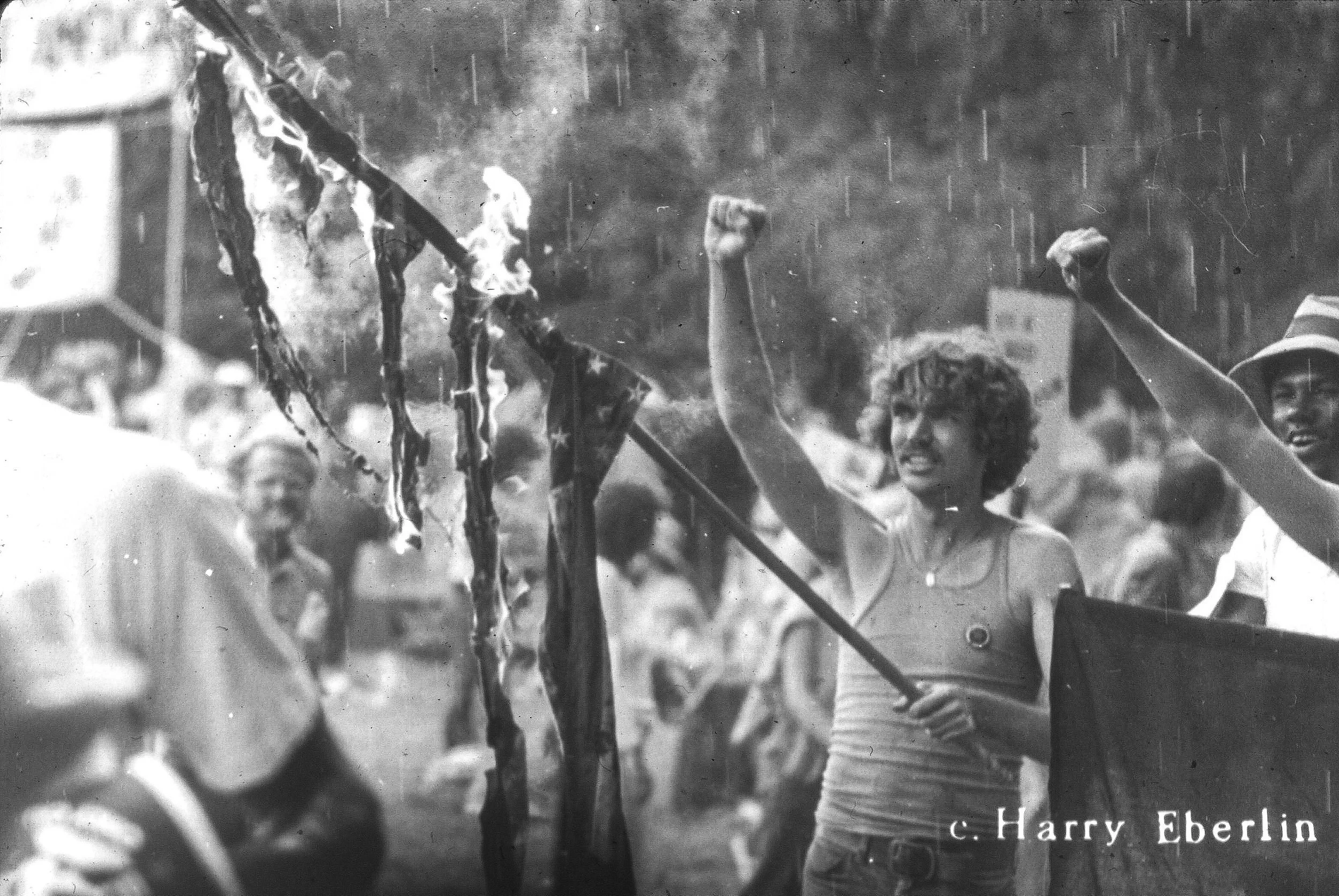
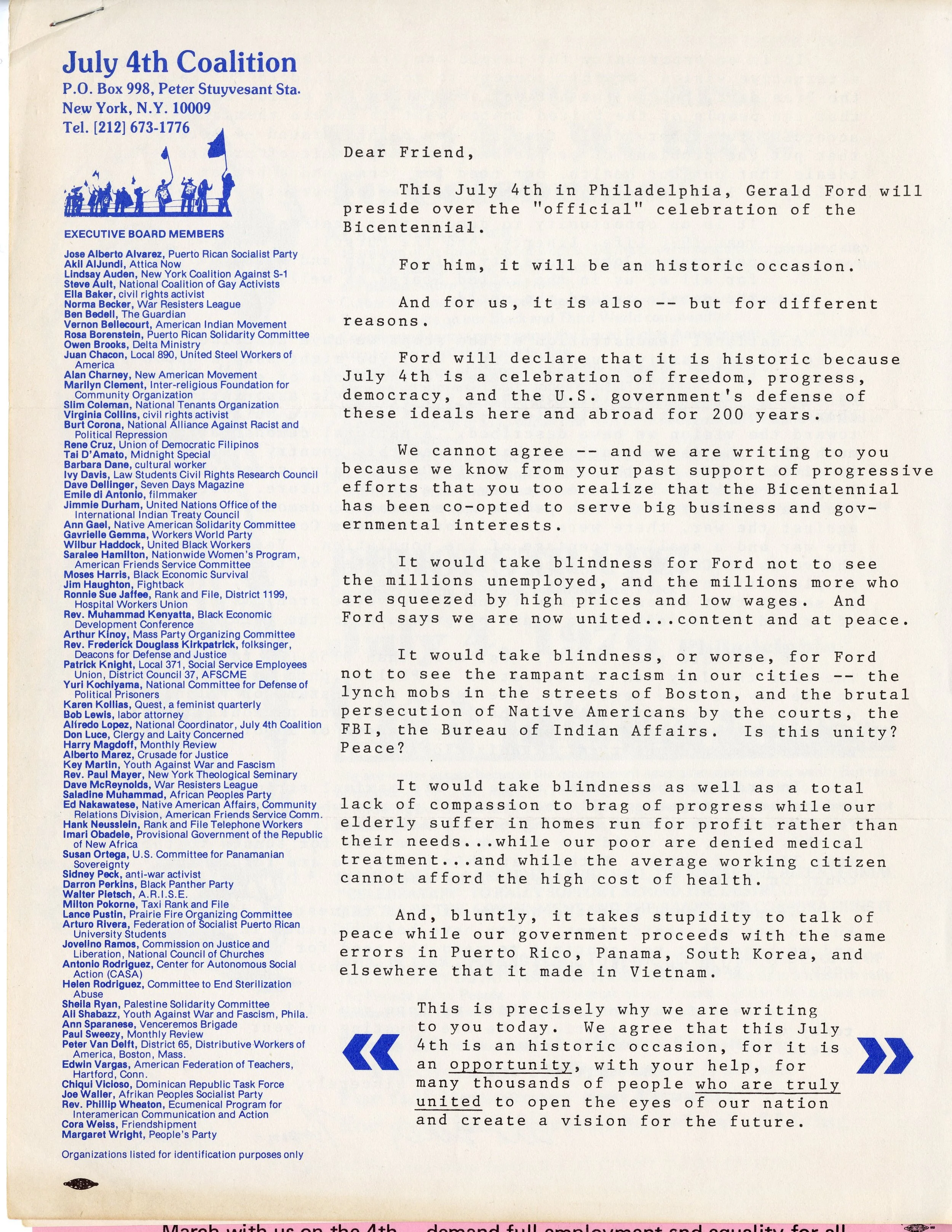
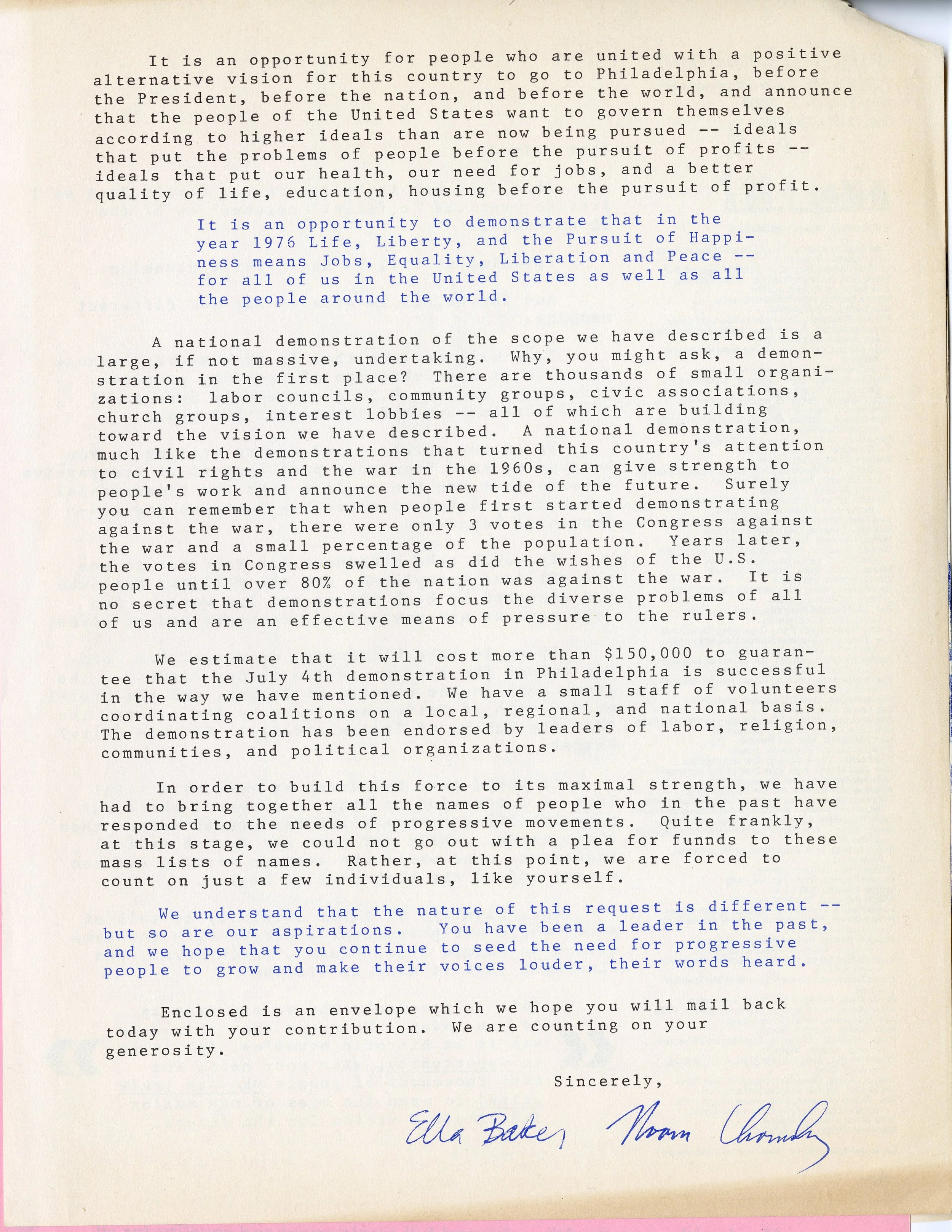
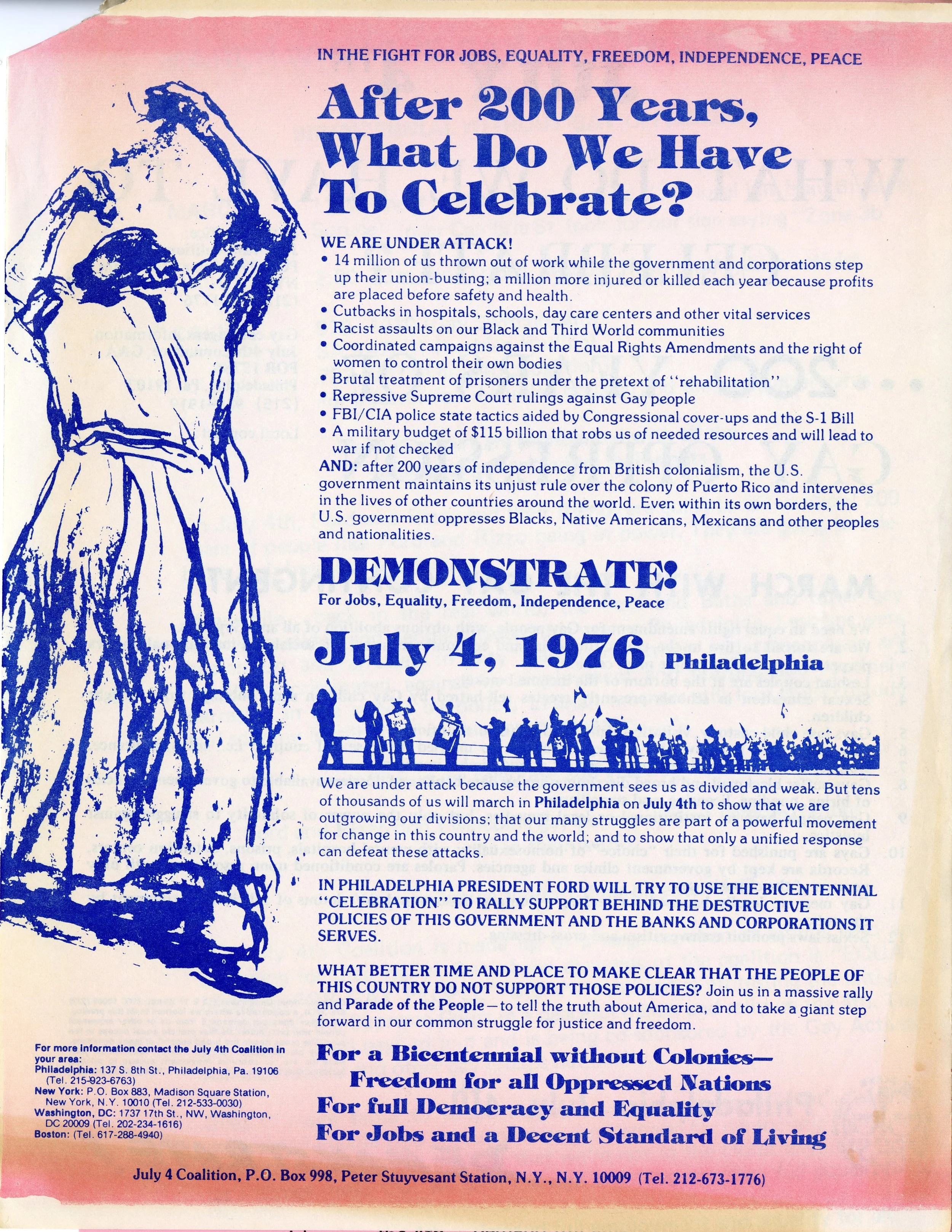
The largest of these demonstrations was the July 4th Coalition, which included 20,000-40,000 protestors and hundreds of groups, including the Puerto Rican Socialist Party, the American Indian Movement, and the Black Panther Party. Building on Puerto Rican activist’s call for a “Bicentennial Without Colonies,” coalitional progressive groups from around the country protested with a focus on combatting American imperialism, militarism, capitalism, sexism, and racism. The July 4th Coalition’s march was led by Native Americans through Strawberry Mansion and Brewerytown, ending in a rally at Fairmount Park, by 33rd and Oxford.
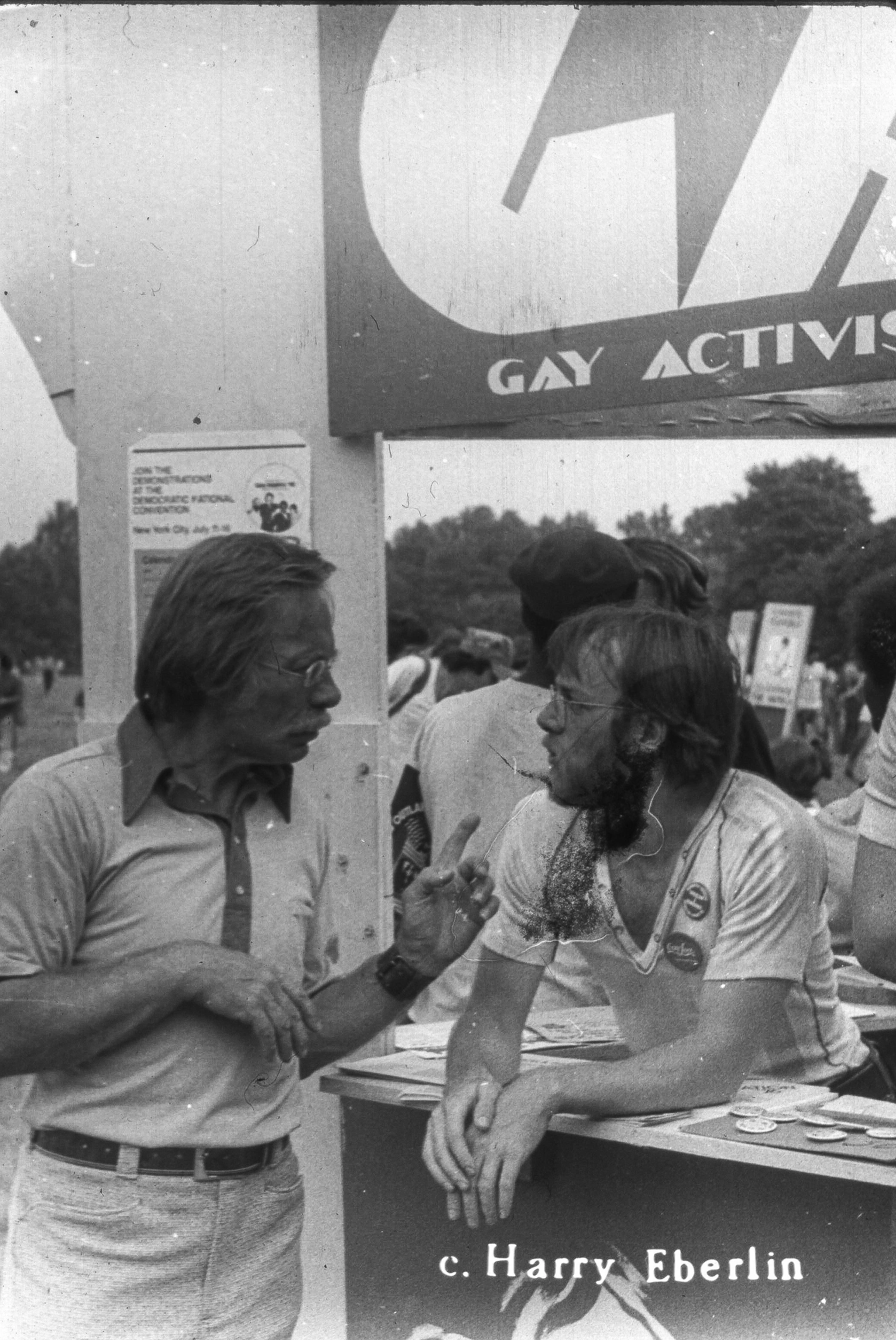
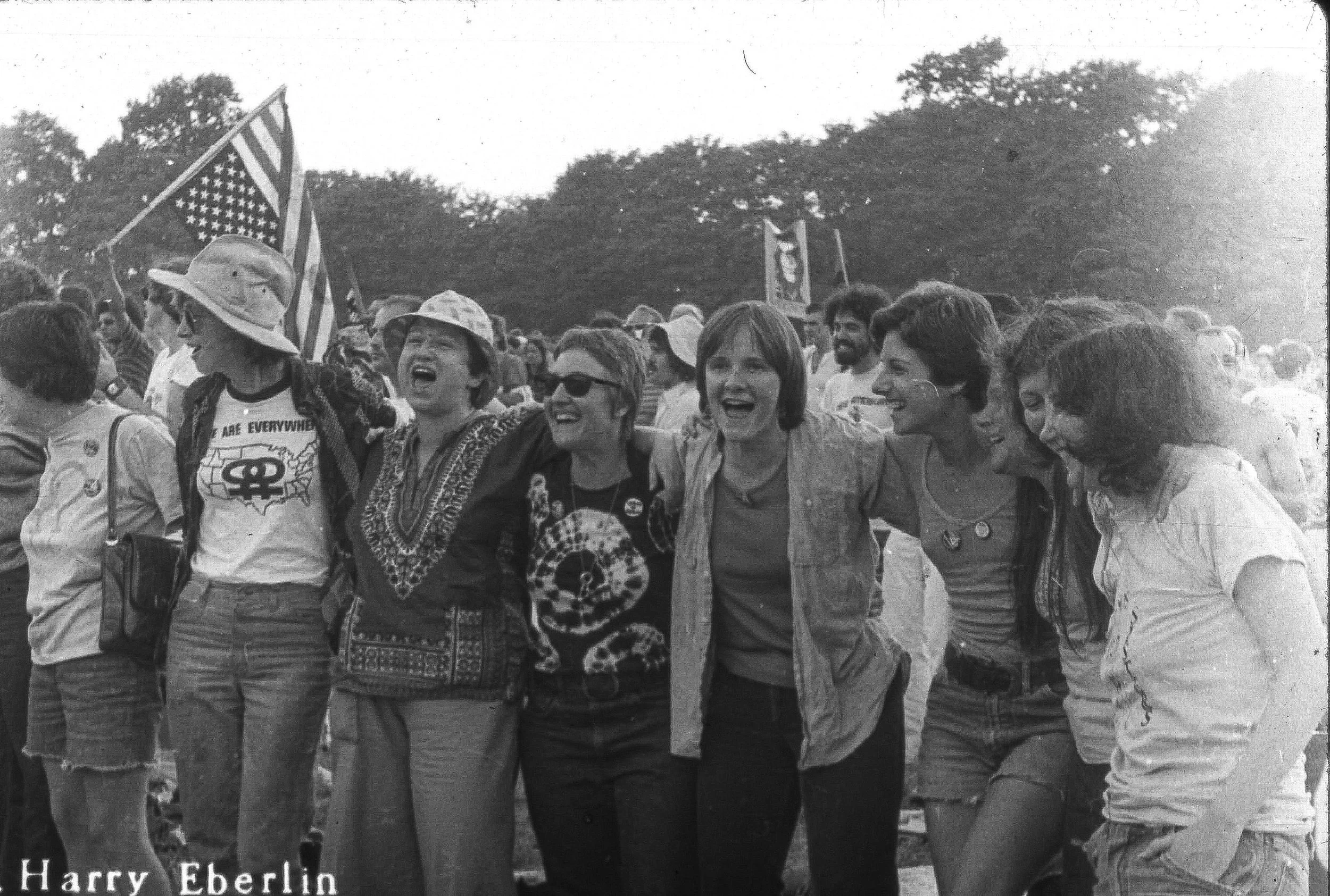
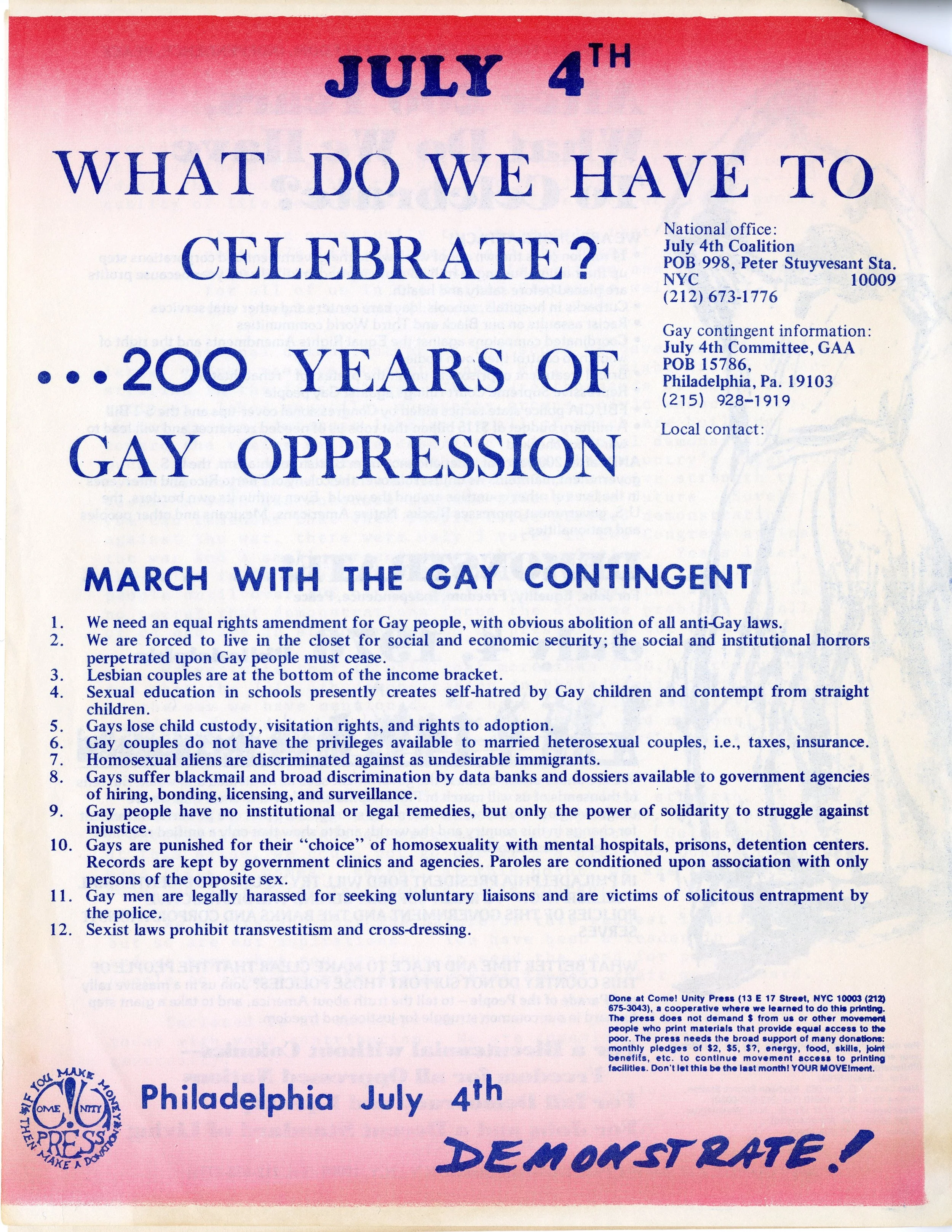
Because of Philadelphia-based Quaker activist George Lakey’s advocacy, LGBTQ+ groups participated. The Gay Activist Alliance and the Susan Saxe Defense Fund were included in the hundreds of protestors from LGBTQ+ groups. While the media gave little attention to the large protest, it was documented by many participants, including Ed Meek and Tony Heriza.
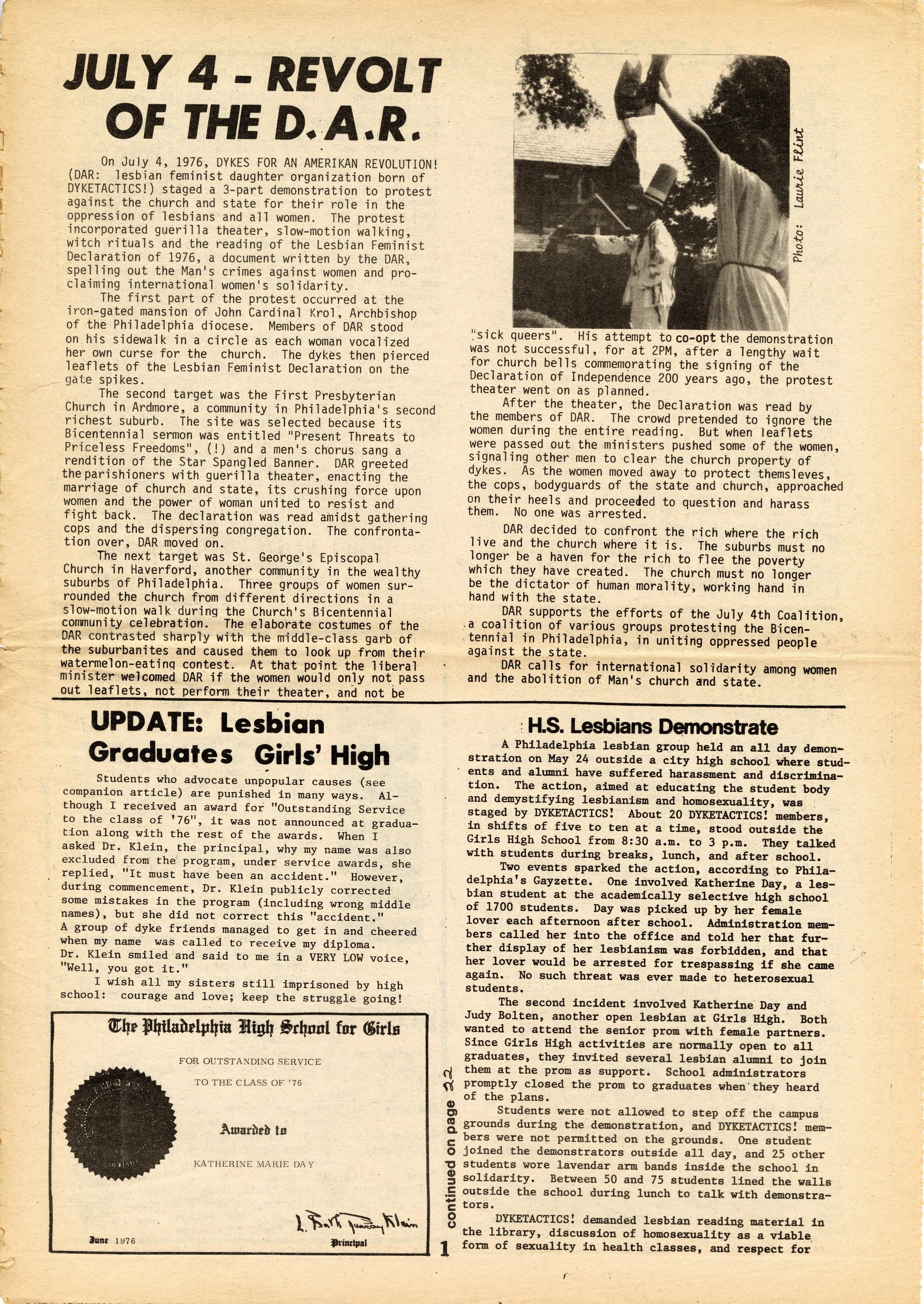
However, other groups chose to protest at different sites throughout the city on July 4th, 1976. Dyketactics! staged protests under the name Dykes for an Amerikan Revolution (DAR), a play on the name of the patriotic organization Daughters of the American Revolution. They circulated a manifesto entitled the “Lesbian Feminist Declaration of 1976.” This document was also published in the Philadelphia-based lesbian feminist publication Hera.
On July 4th, 20 DAR activists demonstrated at suburban churches. As reported in Hera, “DAR decided to confront the rich where the rich live and the church where it is. The suburbs must no longer be a haven for the rich to flee the poverty which they had created.”
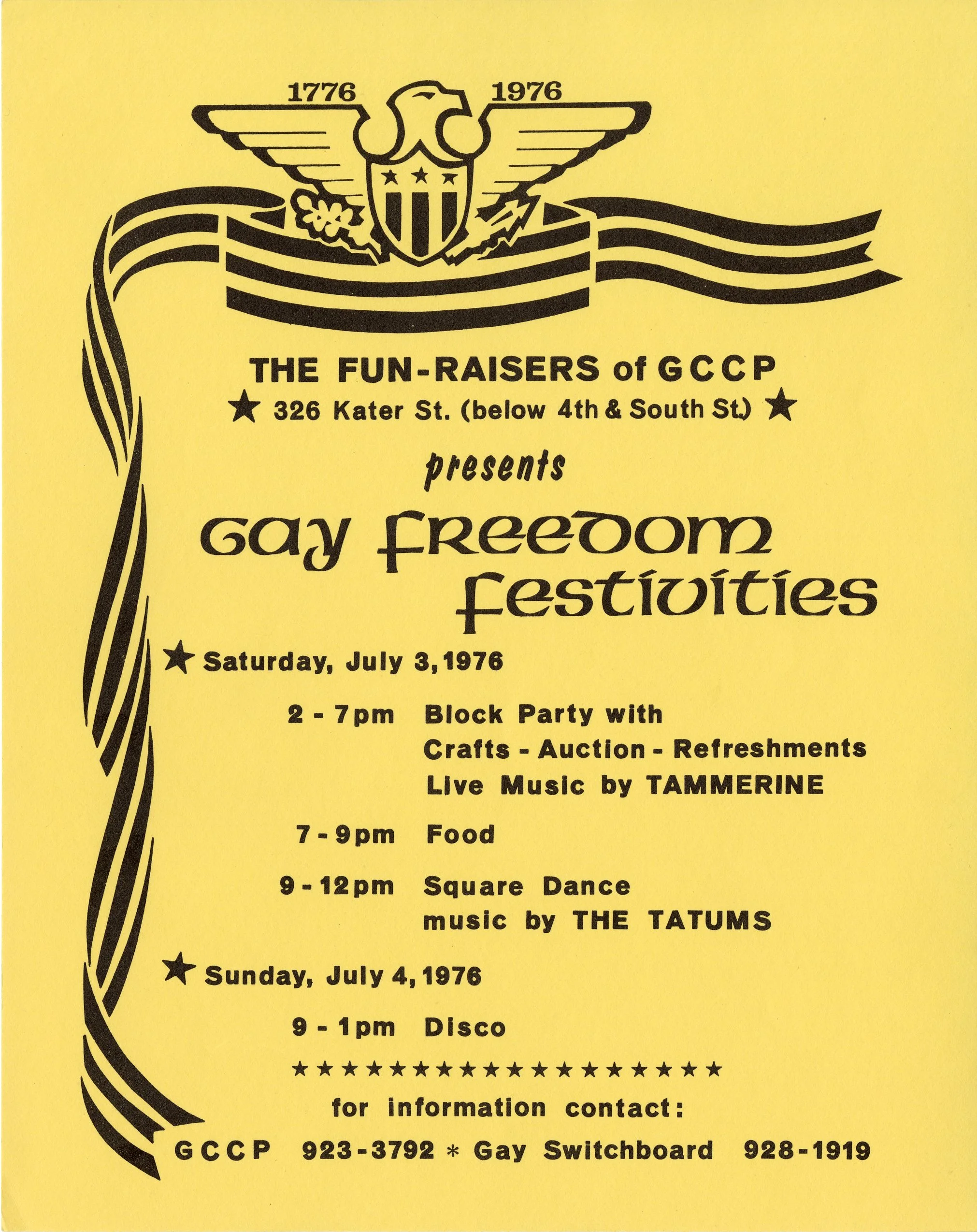
A group called “The Fun-Raisers of GCCP” hosted an alternative Bicentennial event they called “Gay Freedom Festivities” at the Gay Community Center of Philadelphia. On Saturday, July 3rd, there was a block party, food, and square dancing, with a disco being held the following day on July 4th. Unfortunately, over 40 homophobic Christian protestors attempted to disrupt the block party, which was covered the following week in Philadelphia Weekly Gayzette.
Photographs from the Harry R. Eberlin Photographs Collection, John J. Wilcox, Jr. Archives at the William Way LGBT Community Center
(click to expand)
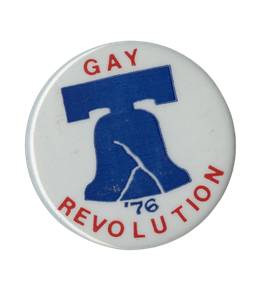
John J. Wilcox, Jr. Archives, William Way LGBT Community Center
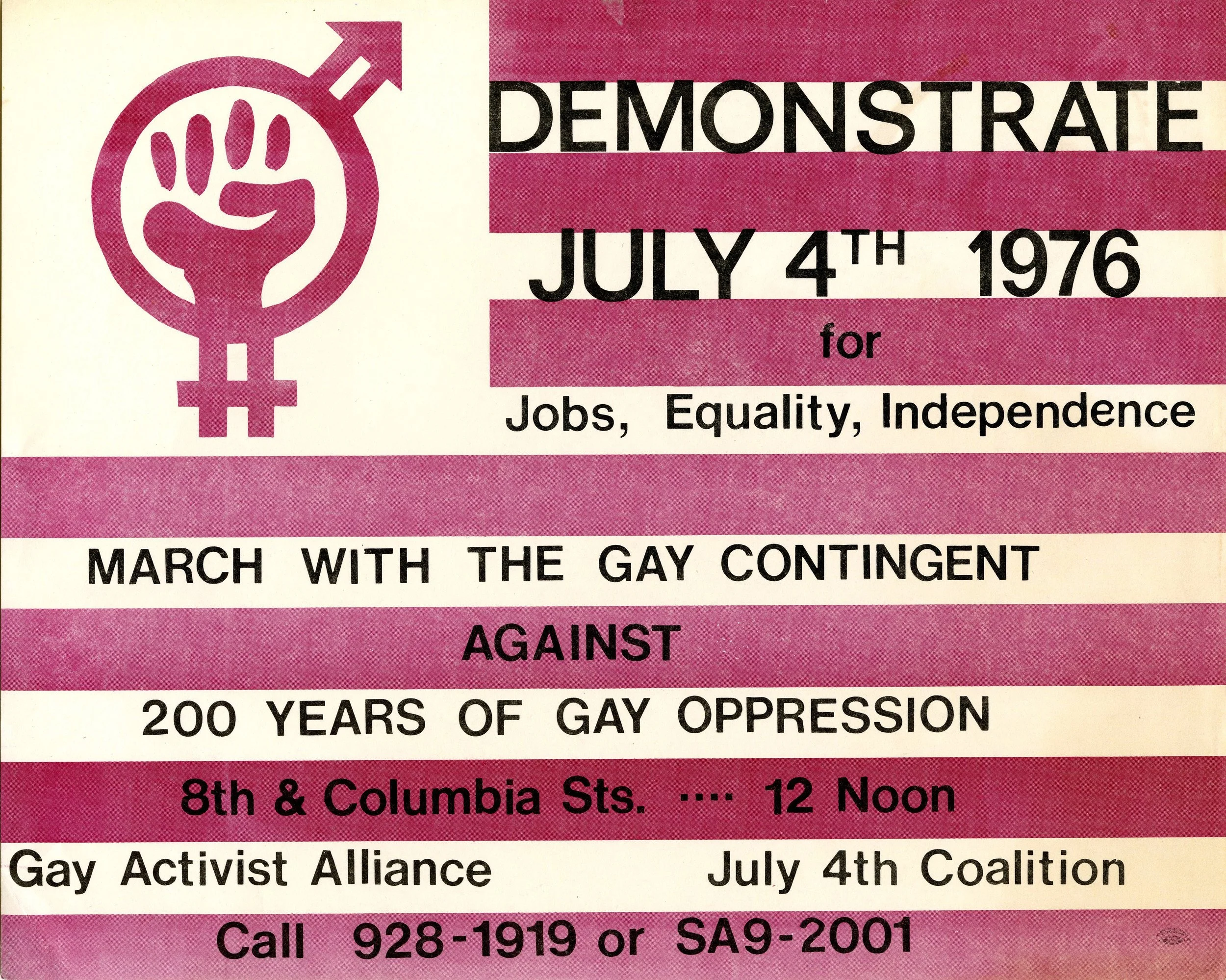
Tommi Avicolli Mecca collection, John J. Wilcox, Jr. Archives, William Way LGBT Community Center
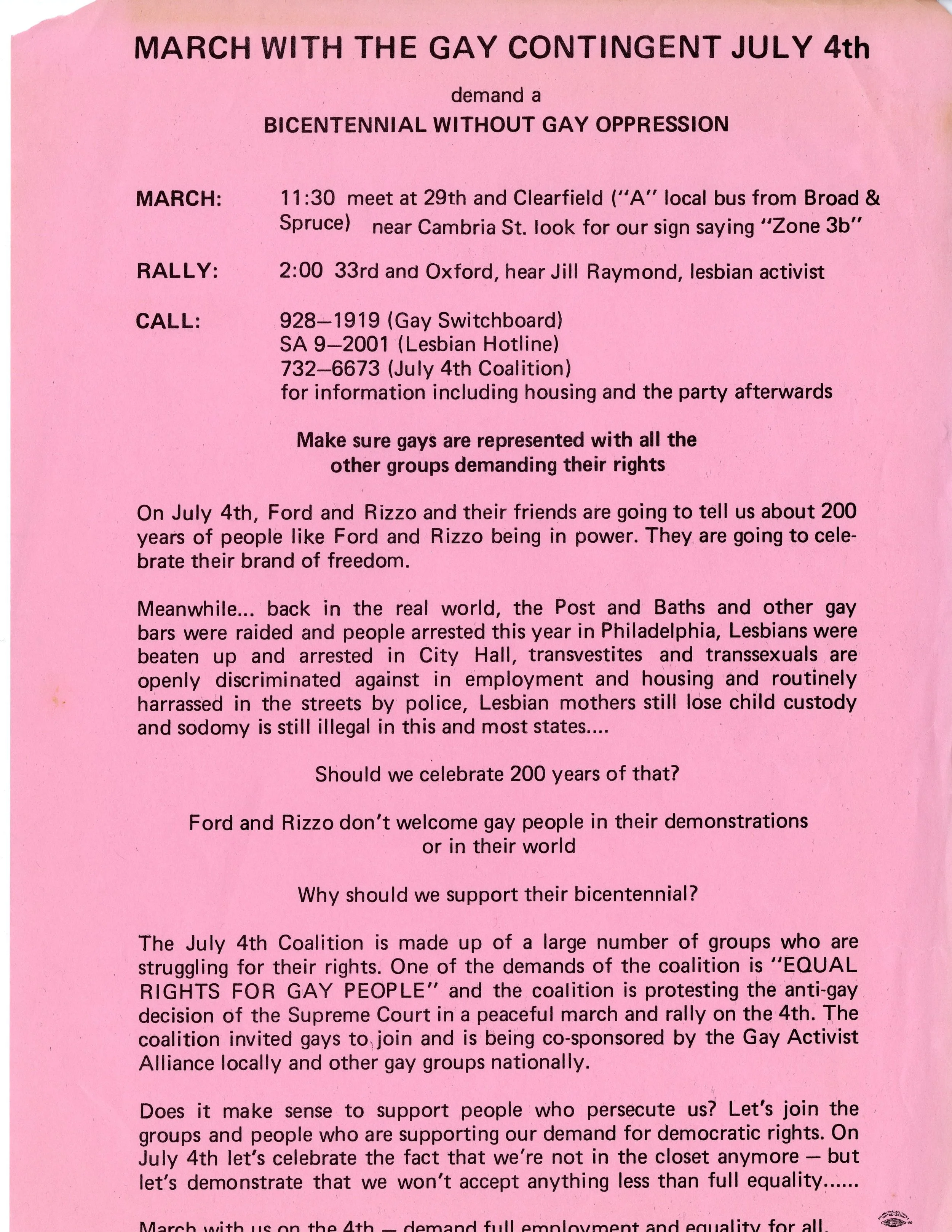
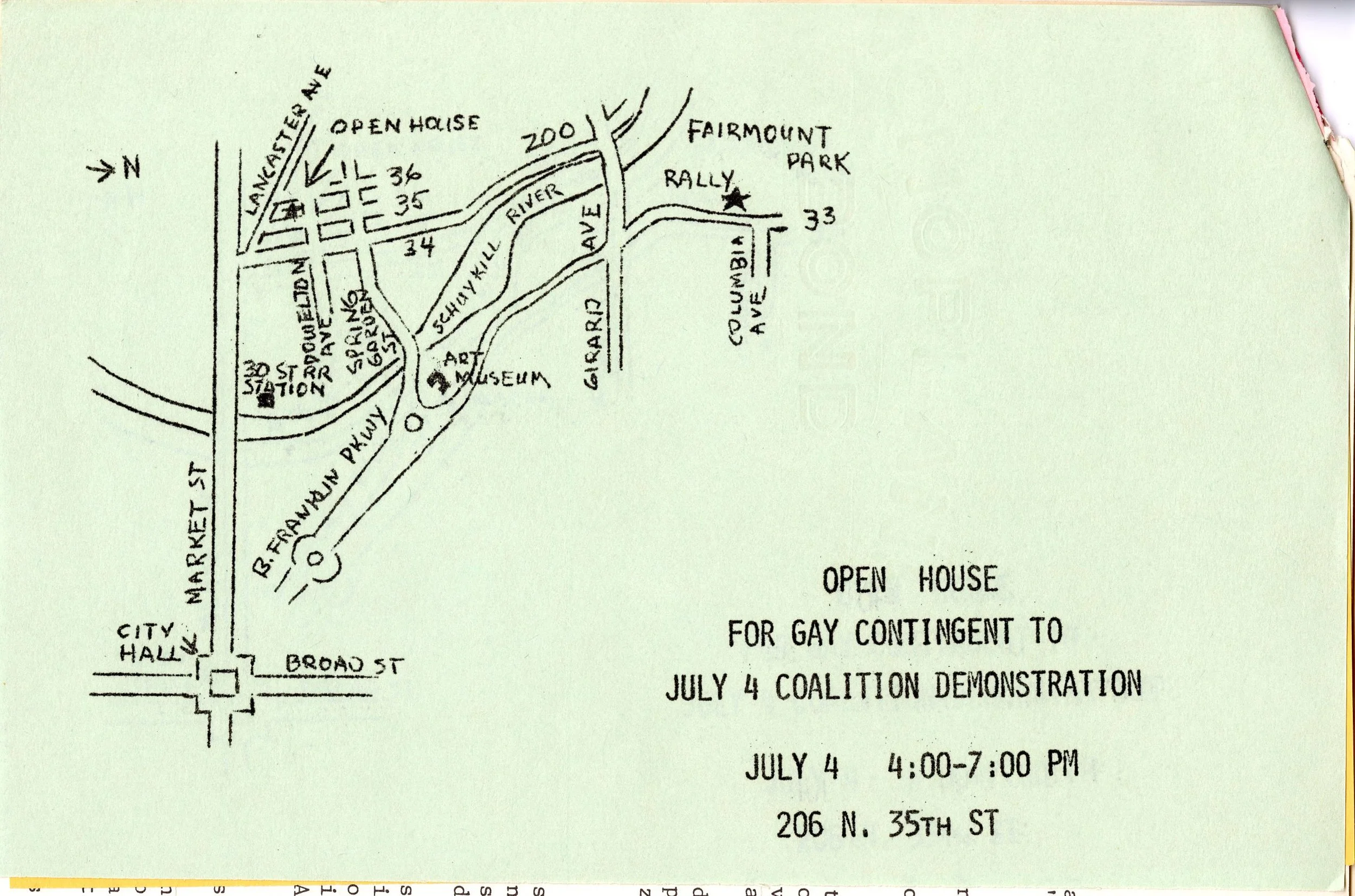
Ephemera files, John J. Wilcox, Jr. Archives, William Way LGBT Community Center
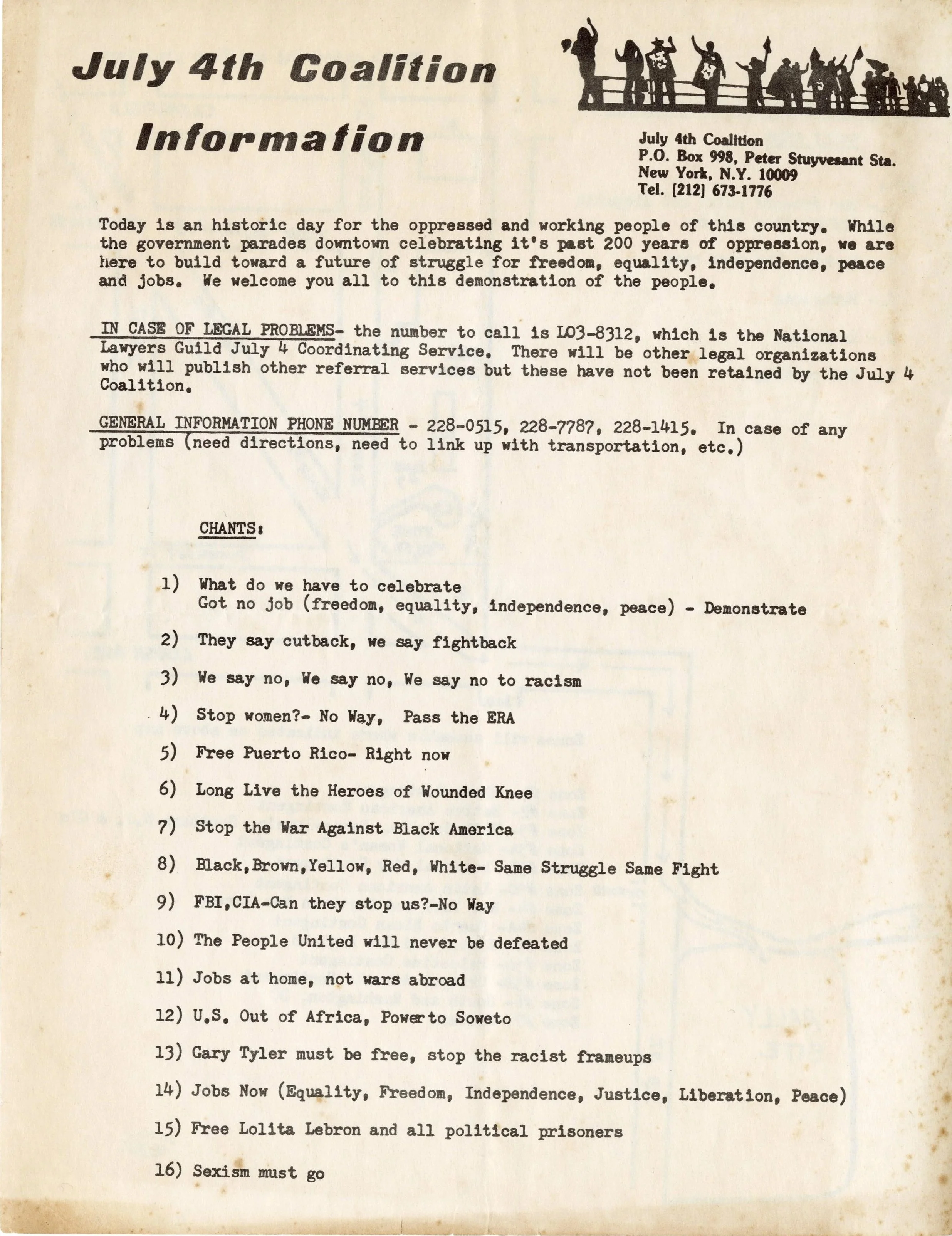
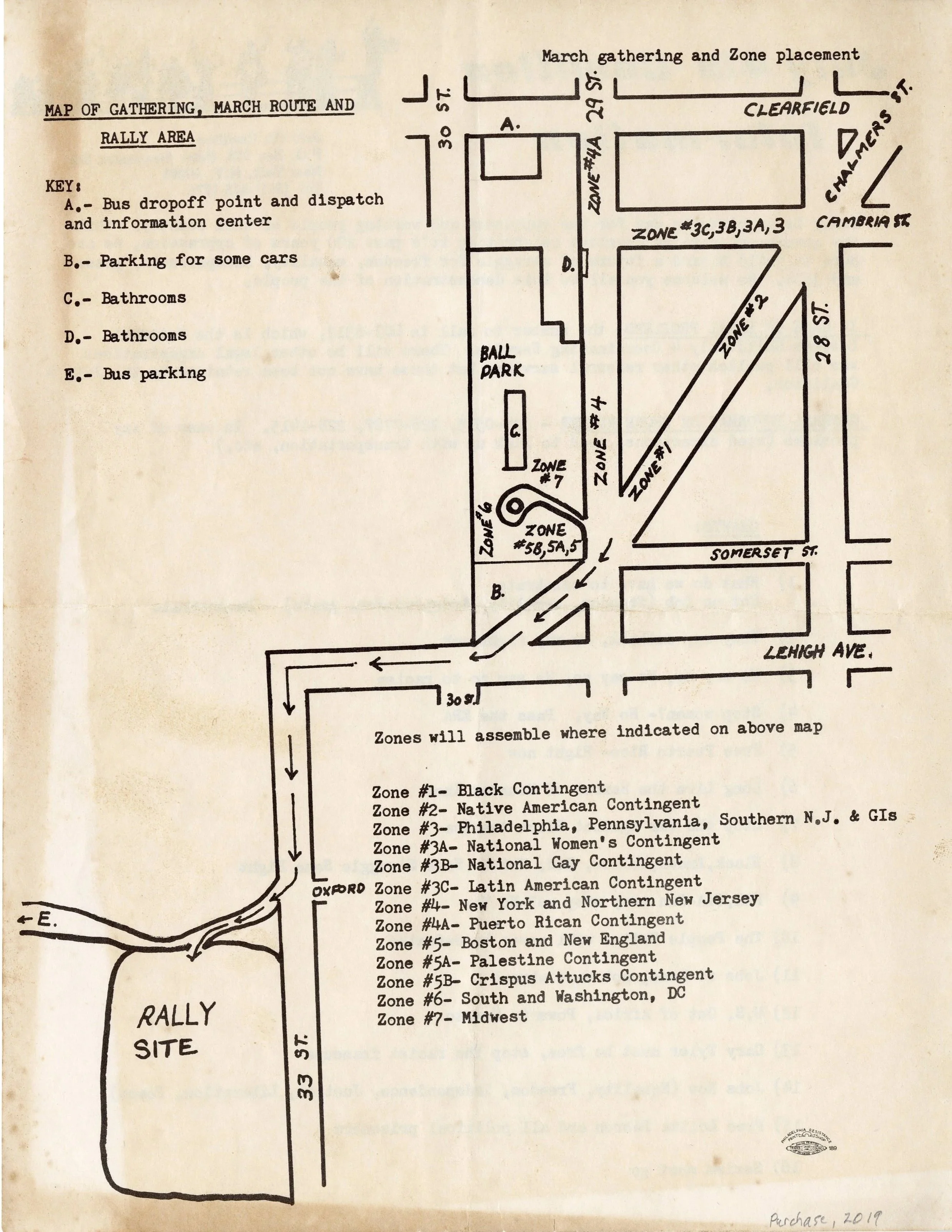
Ephemera files, John J. Wilcox, Jr. Archives, William Way LGBT Community Center
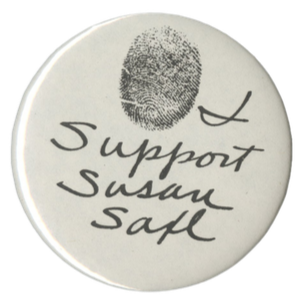
John J. Wilcox, Jr. Archives, William Way LGBT Community Center
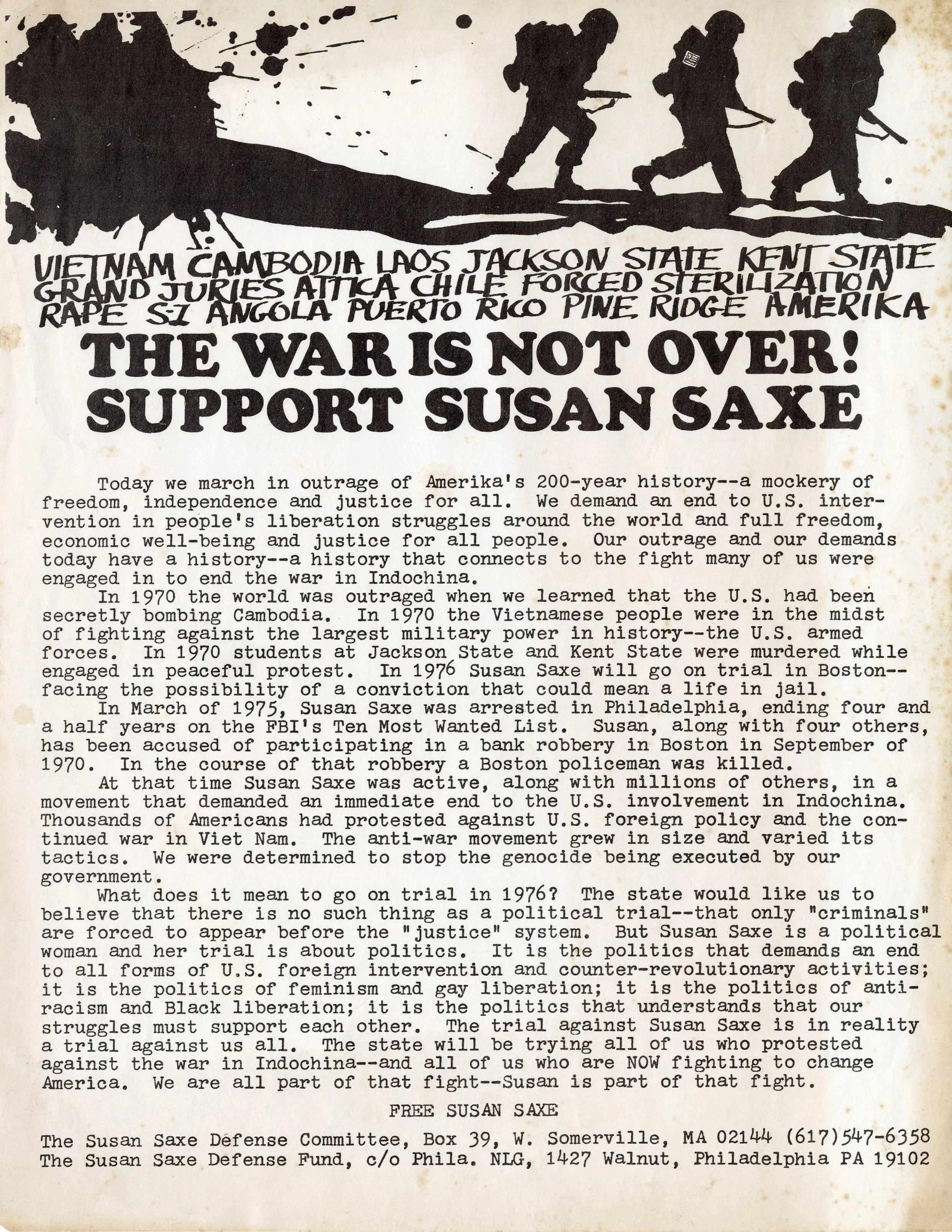
Ephemera files, John J. Wilcox, Jr. Archives, William Way LGBT Community Center
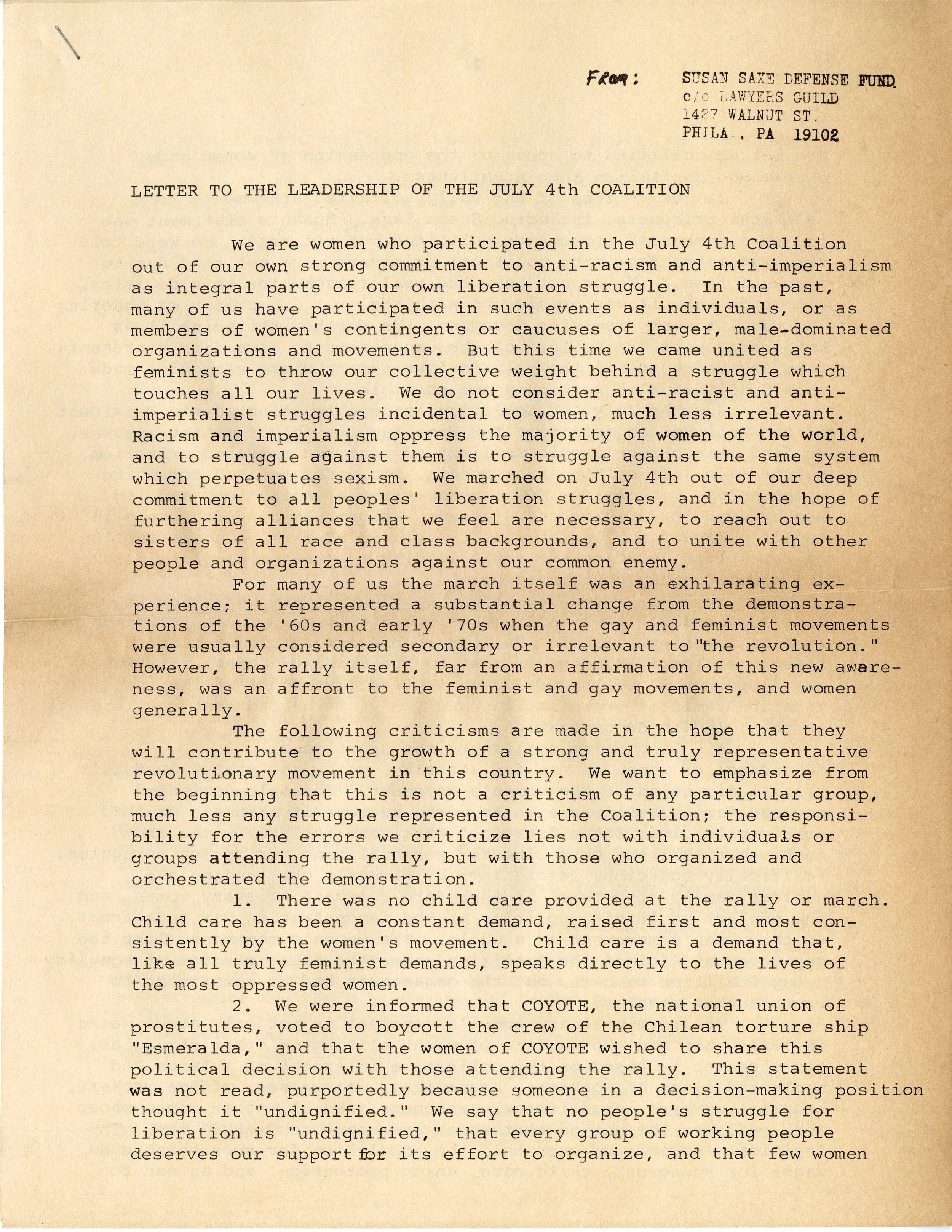
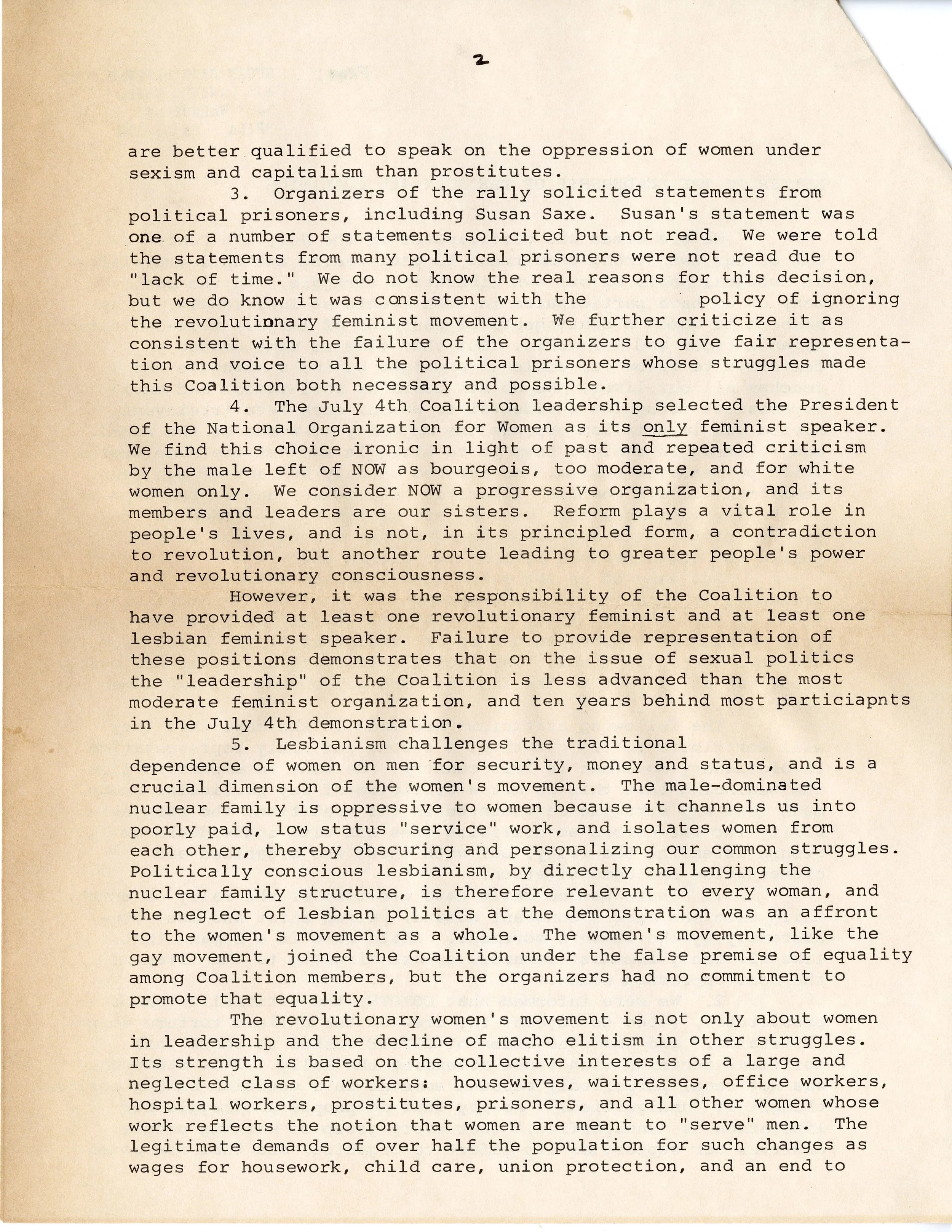
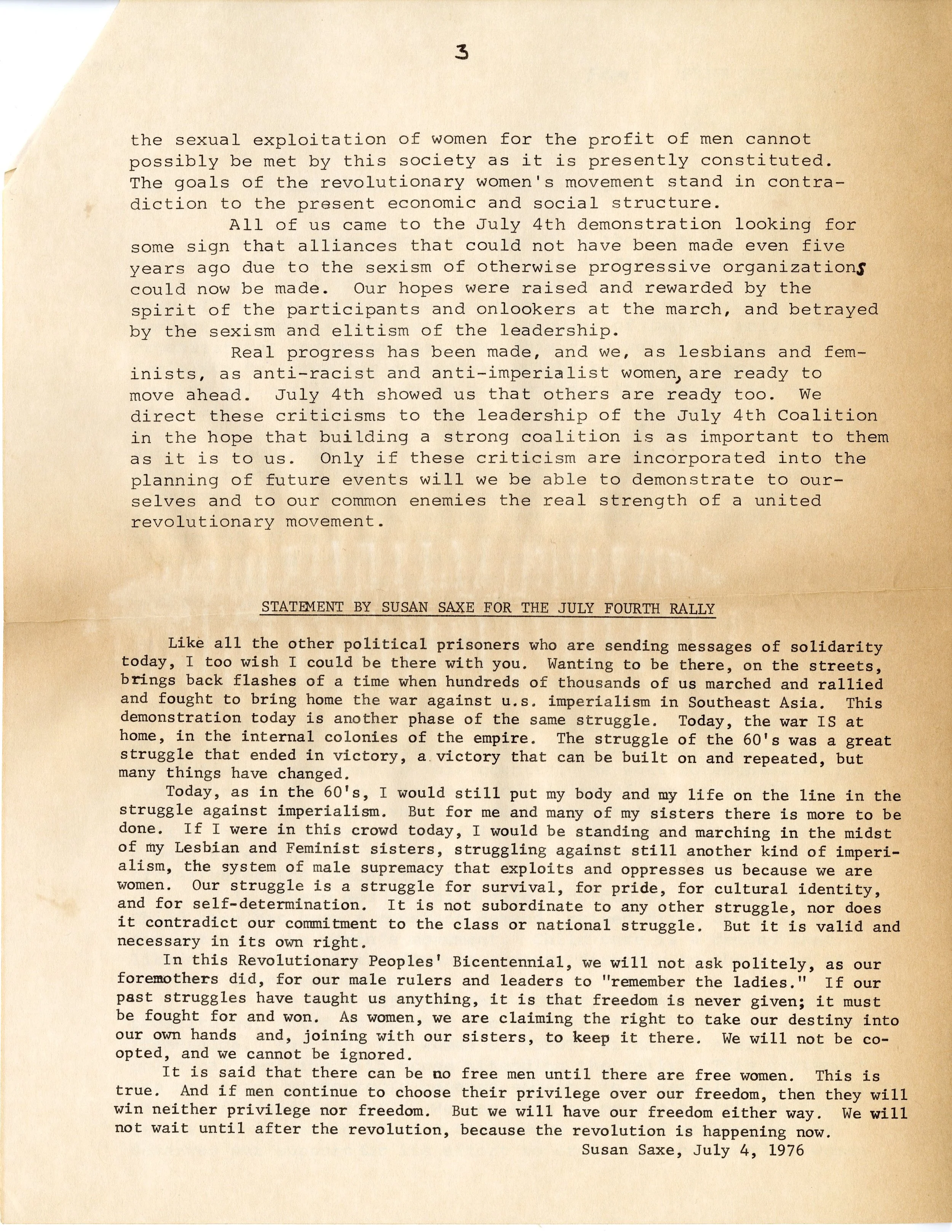
Ephemera files, John J. Wilcox, Jr. Archives, William Way LGBT Community Center
The July 4th Sin Colonias Coalition is a group commemorating the 50th anniversary of the July 4th Coalition, or Bicentennial Without Colonies march on July 4th, 1976. The group consists of volunteers, including participants in the 1976 protest, community partners, academics, and those interested in Philadelphia history.
Learn more and browse resources on their website at july4sincolonias.omeka.net
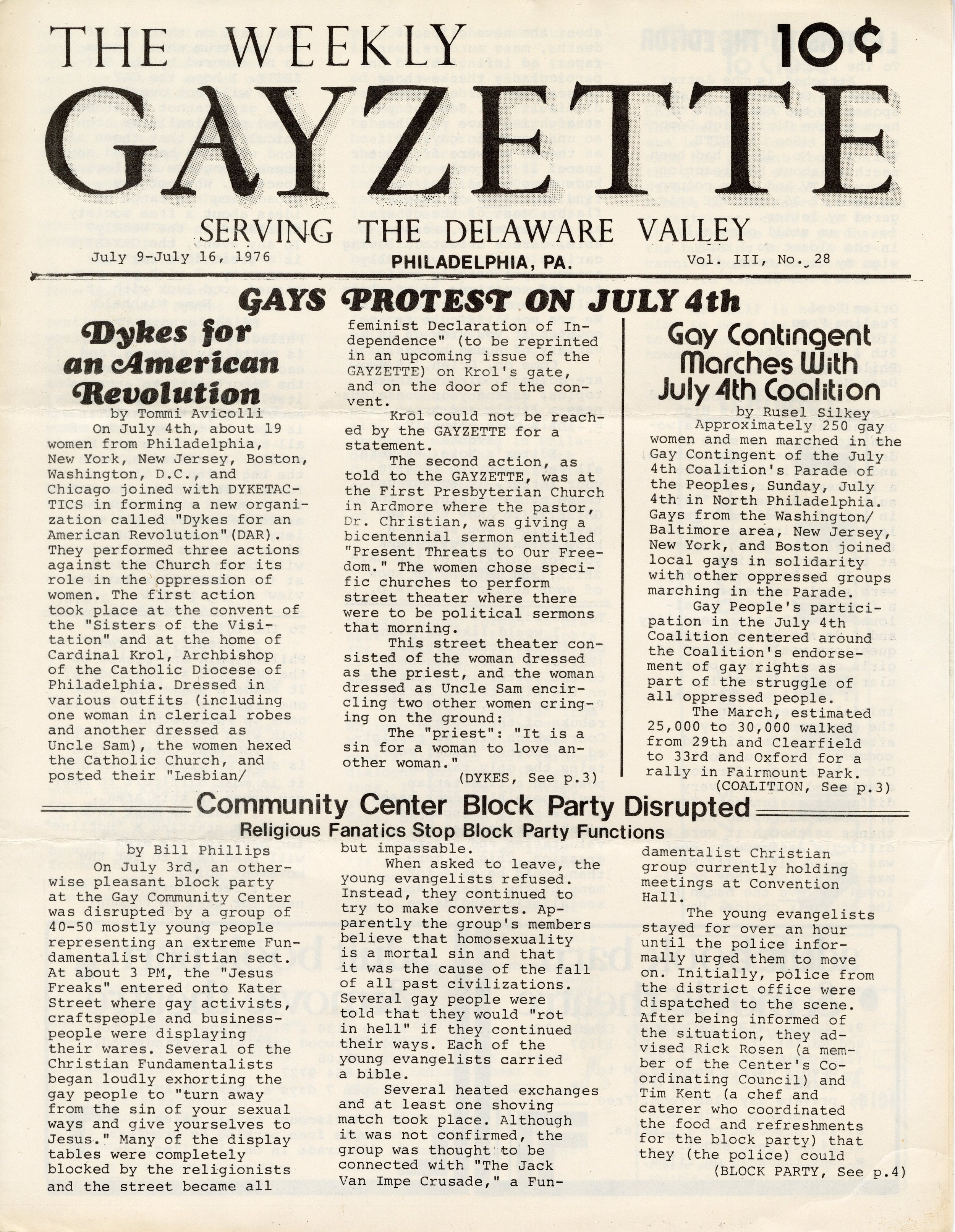
Periodicals collection, John J. Wilcox, Jr. Archives, William Way LGBT Community Center
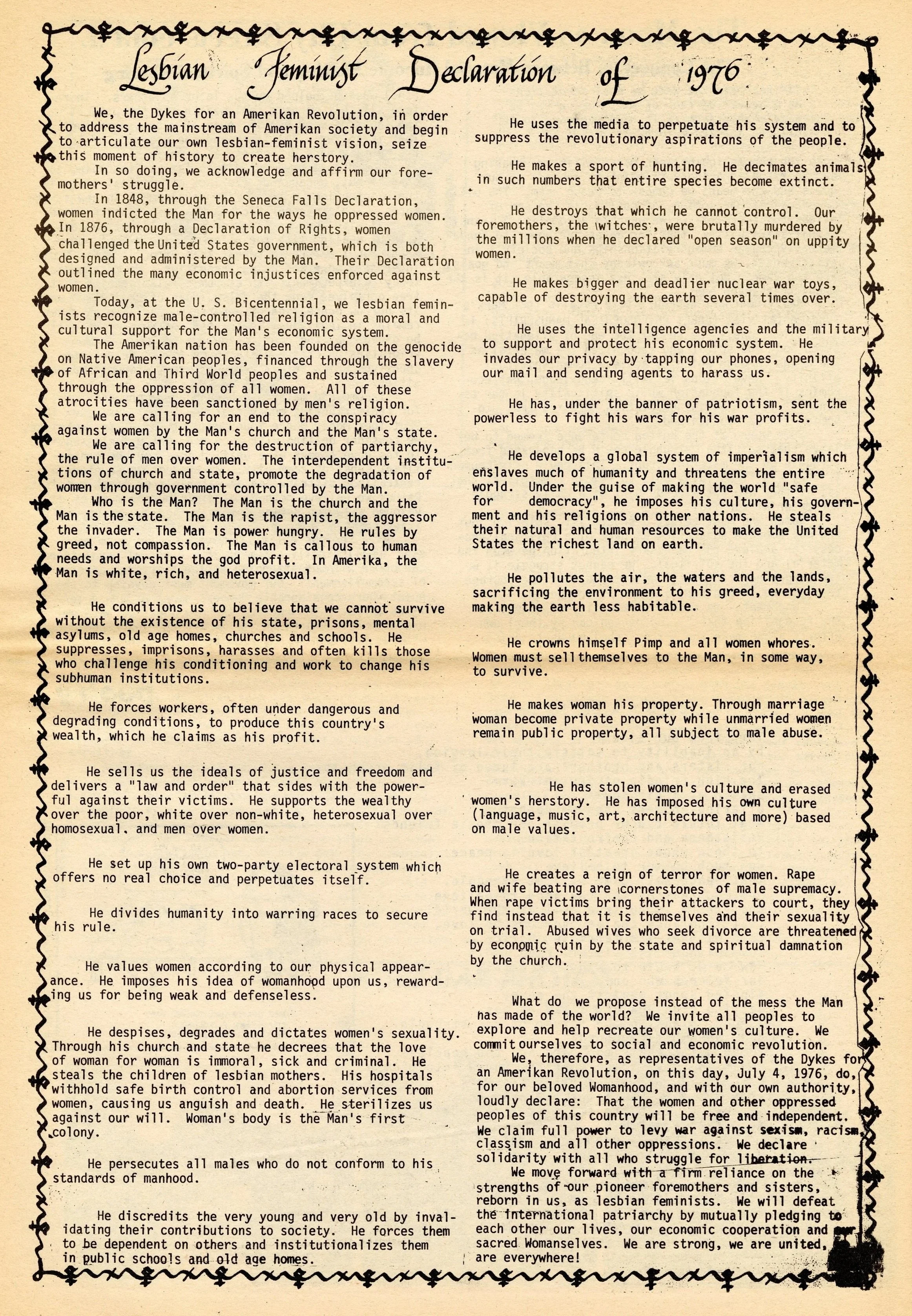
Periodicals collection, John J. Wilcox, Jr. Archives, William Way LGBT Community Center
Periodicals collection, John J. Wilcox, Jr. Archives, William Way LGBT Community Center
Tommi Avicolli Mecca collection, John J. Wilcox, Jr. Archives, William Way LGBT Community Center
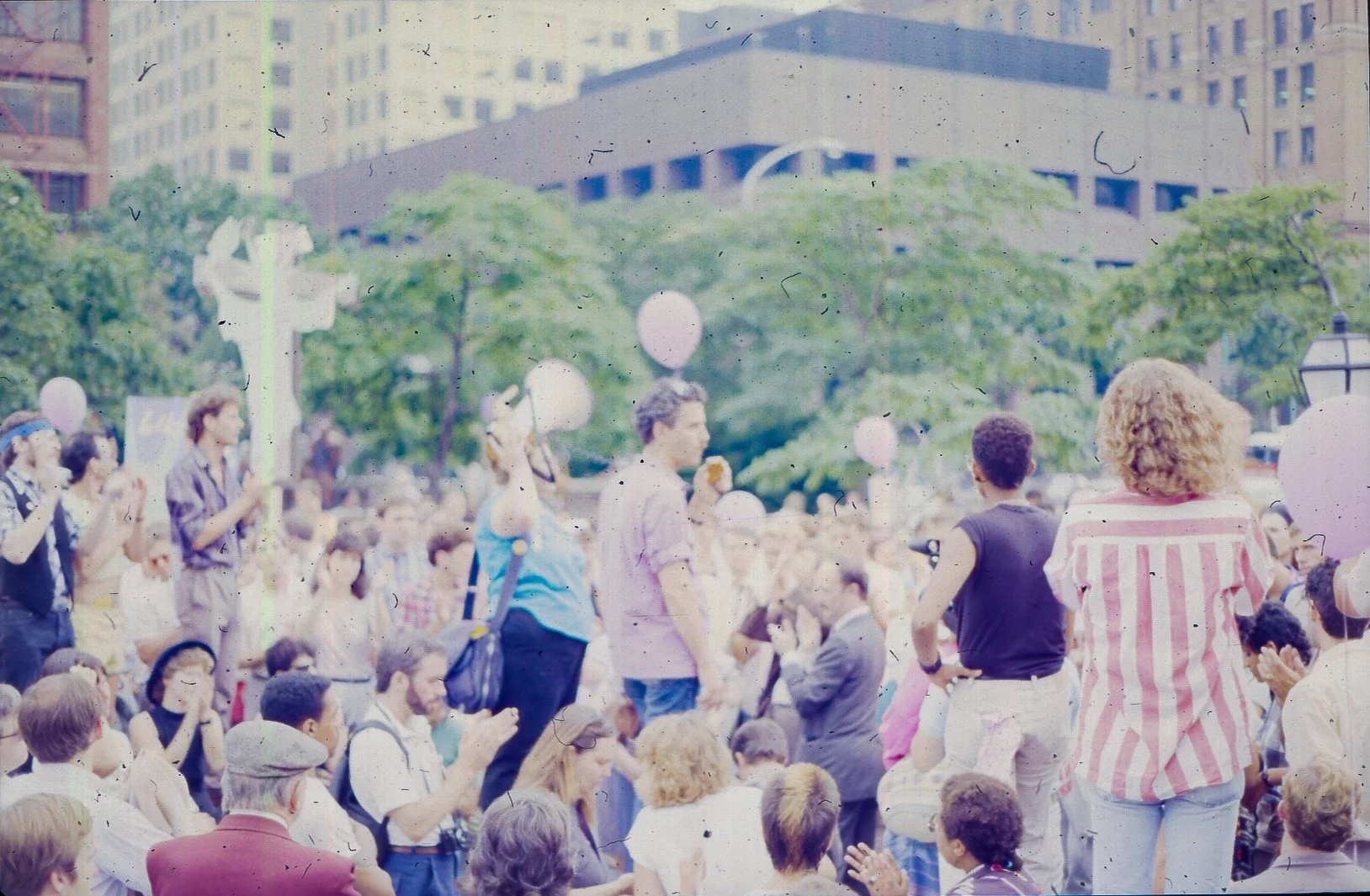
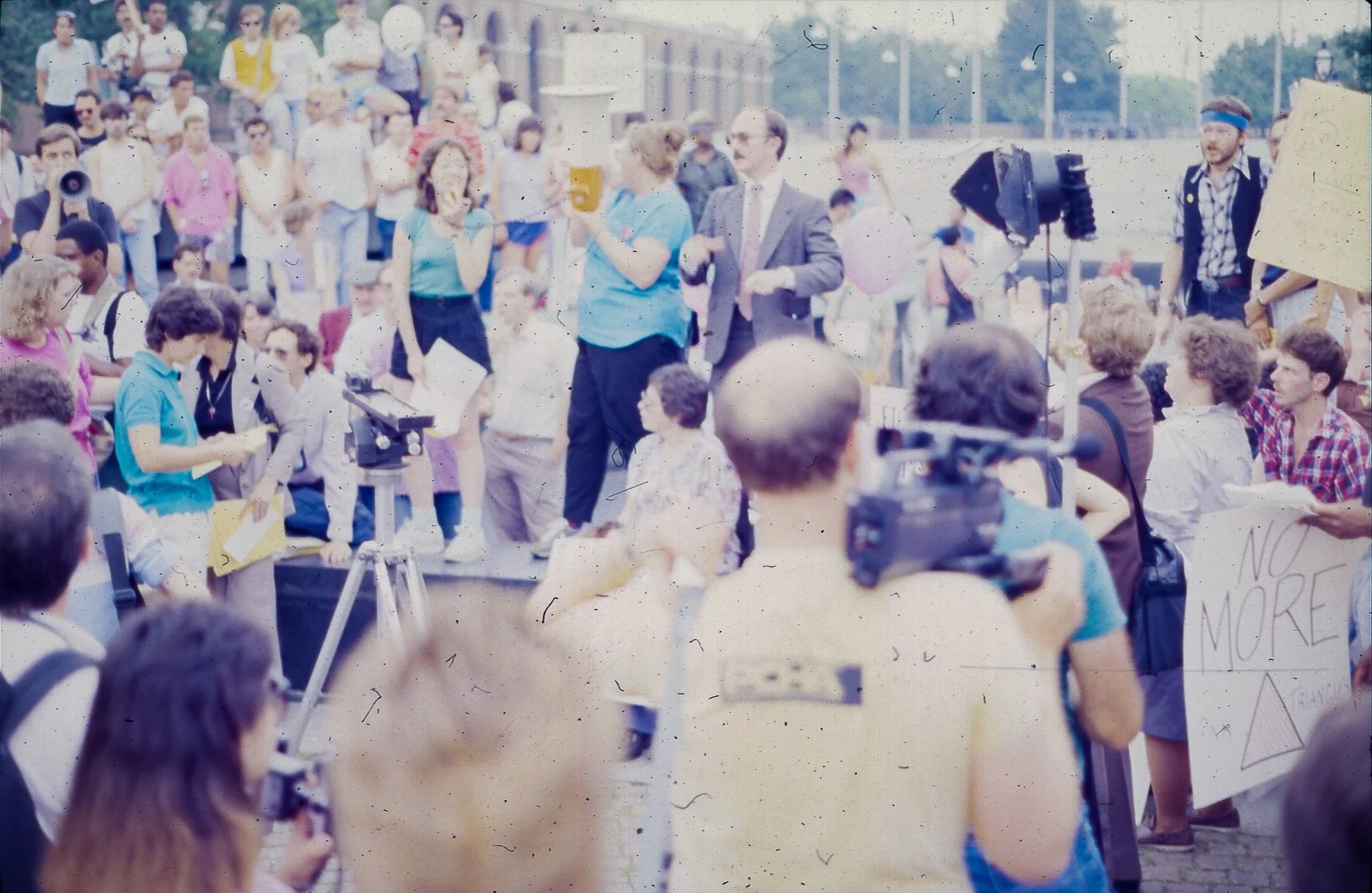
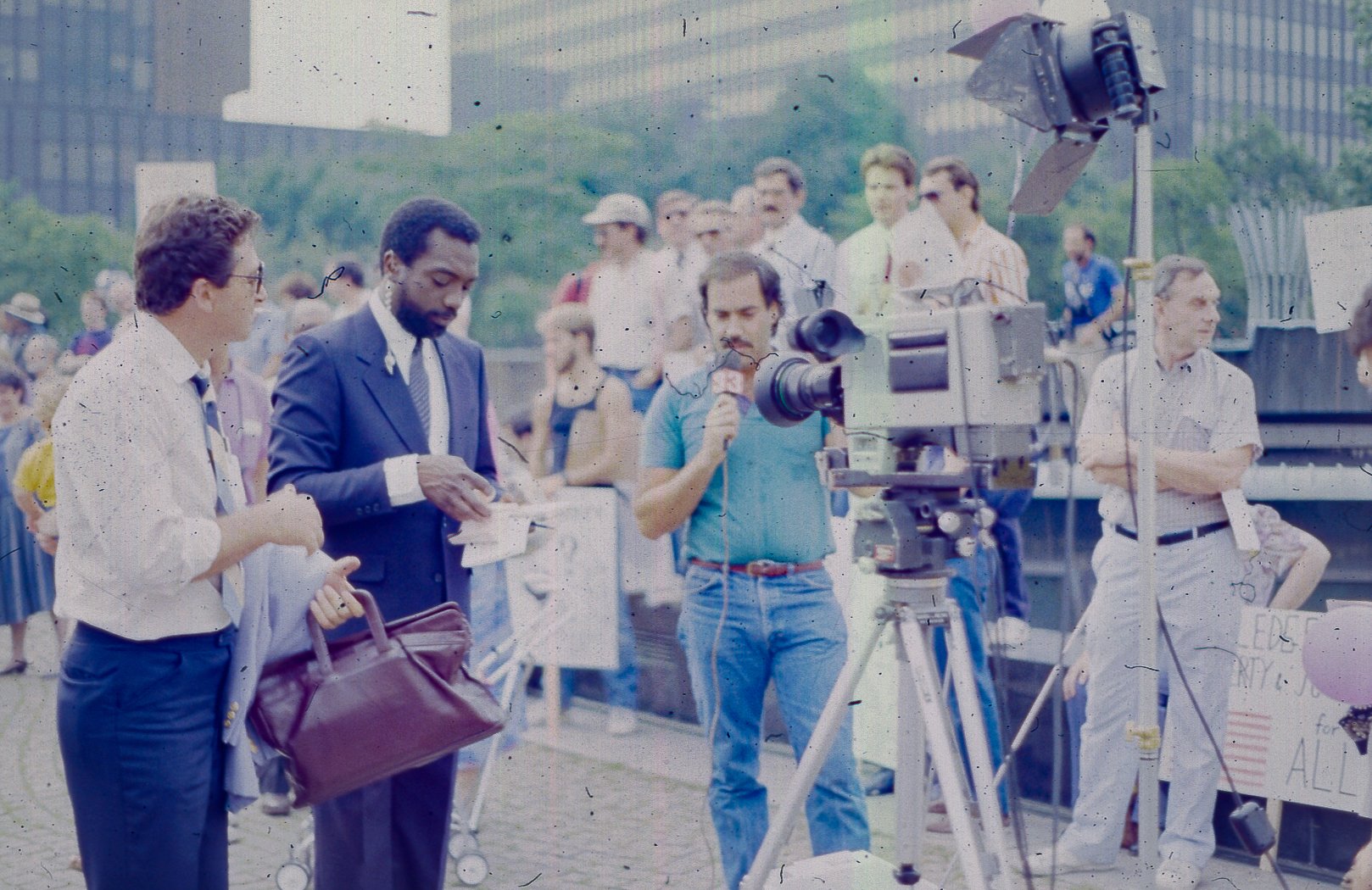
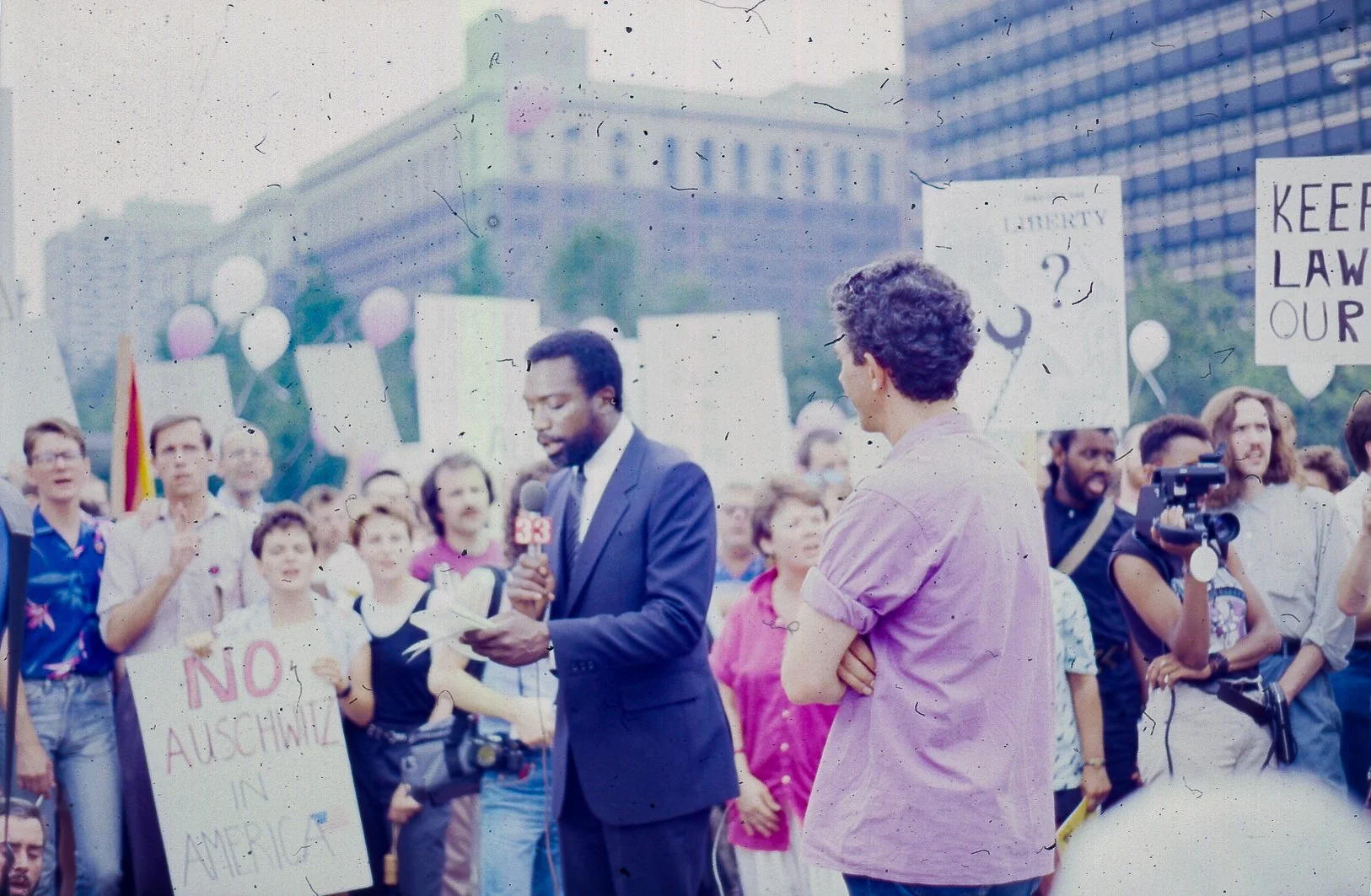
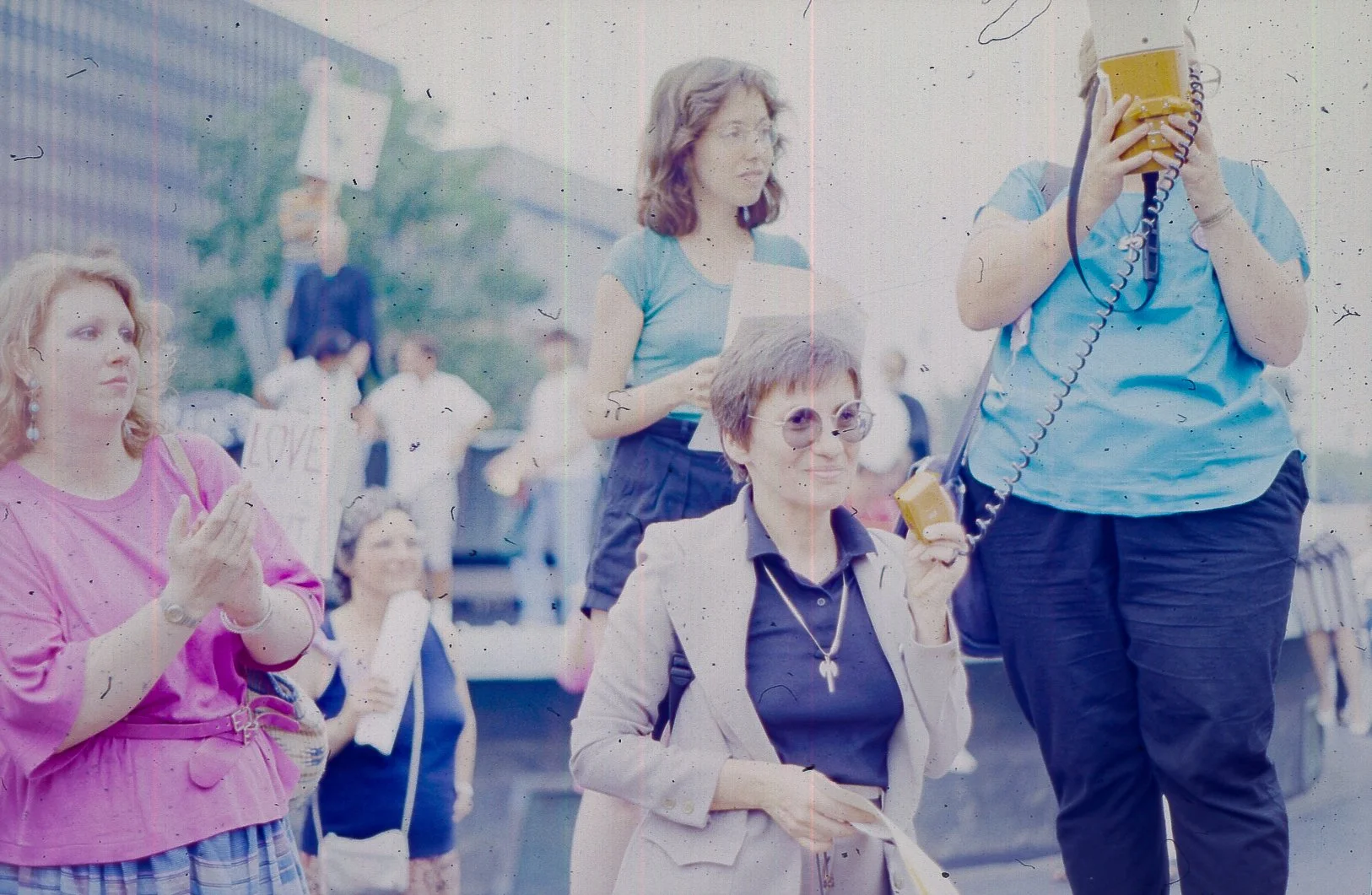
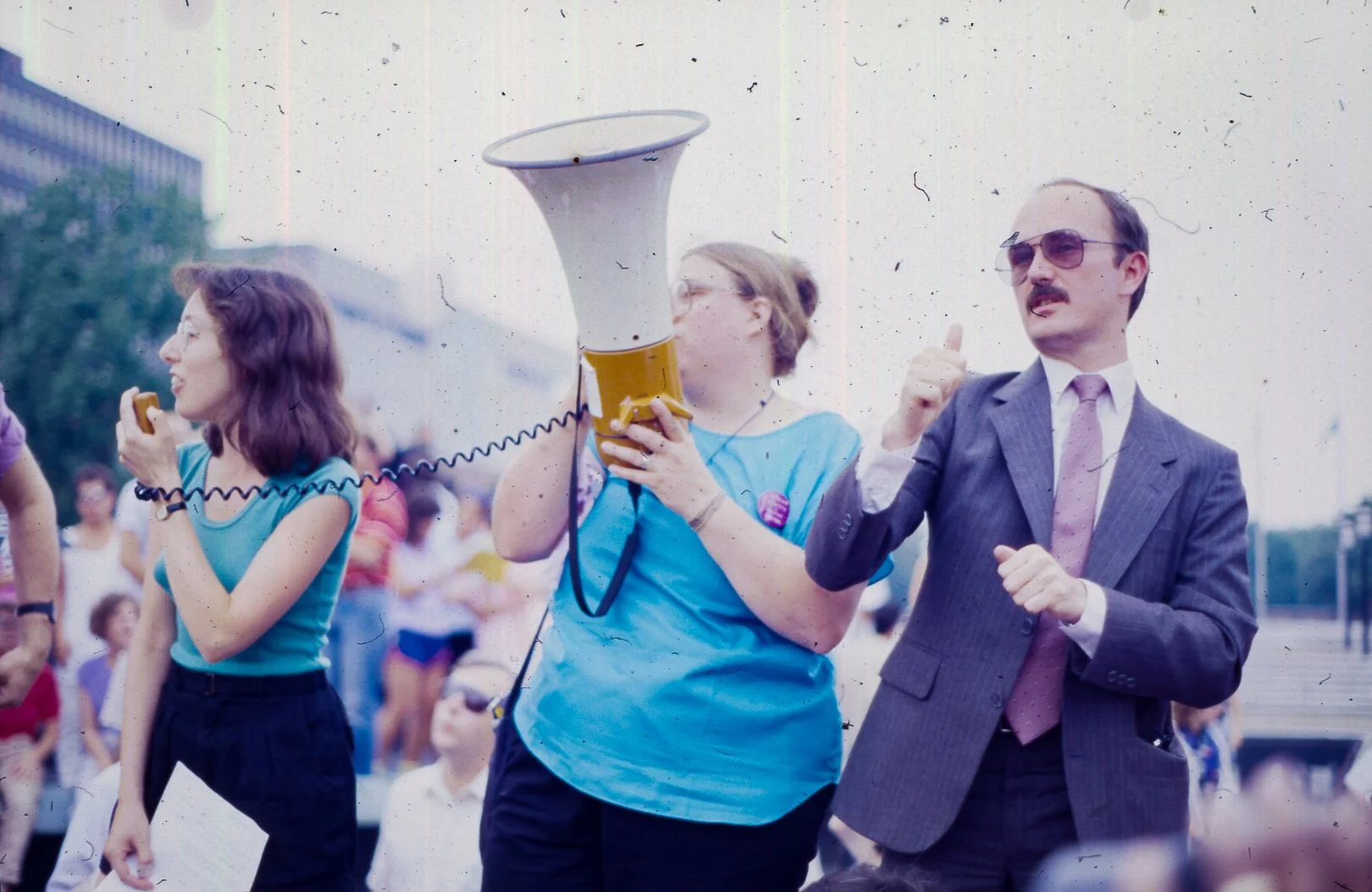
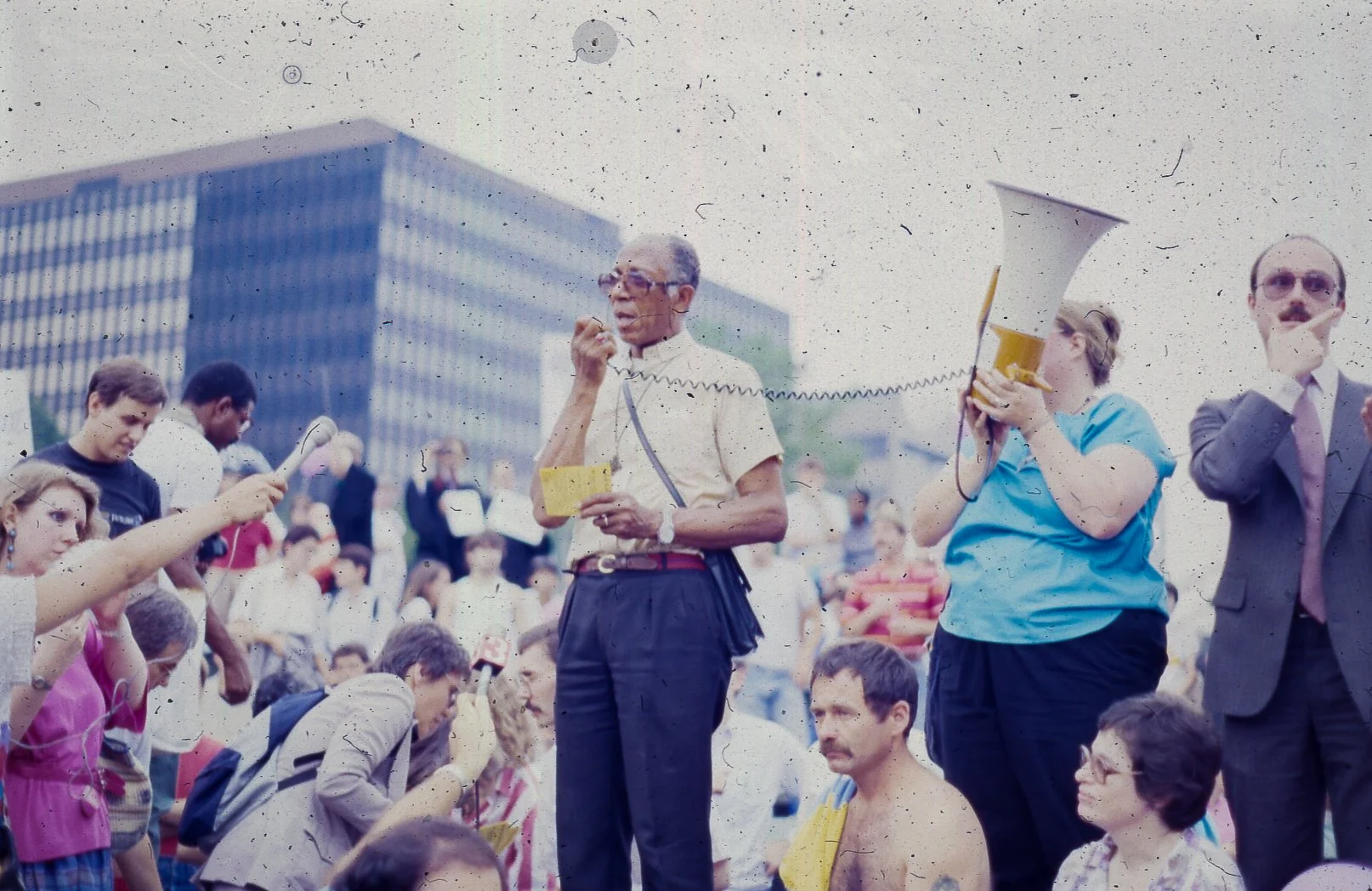
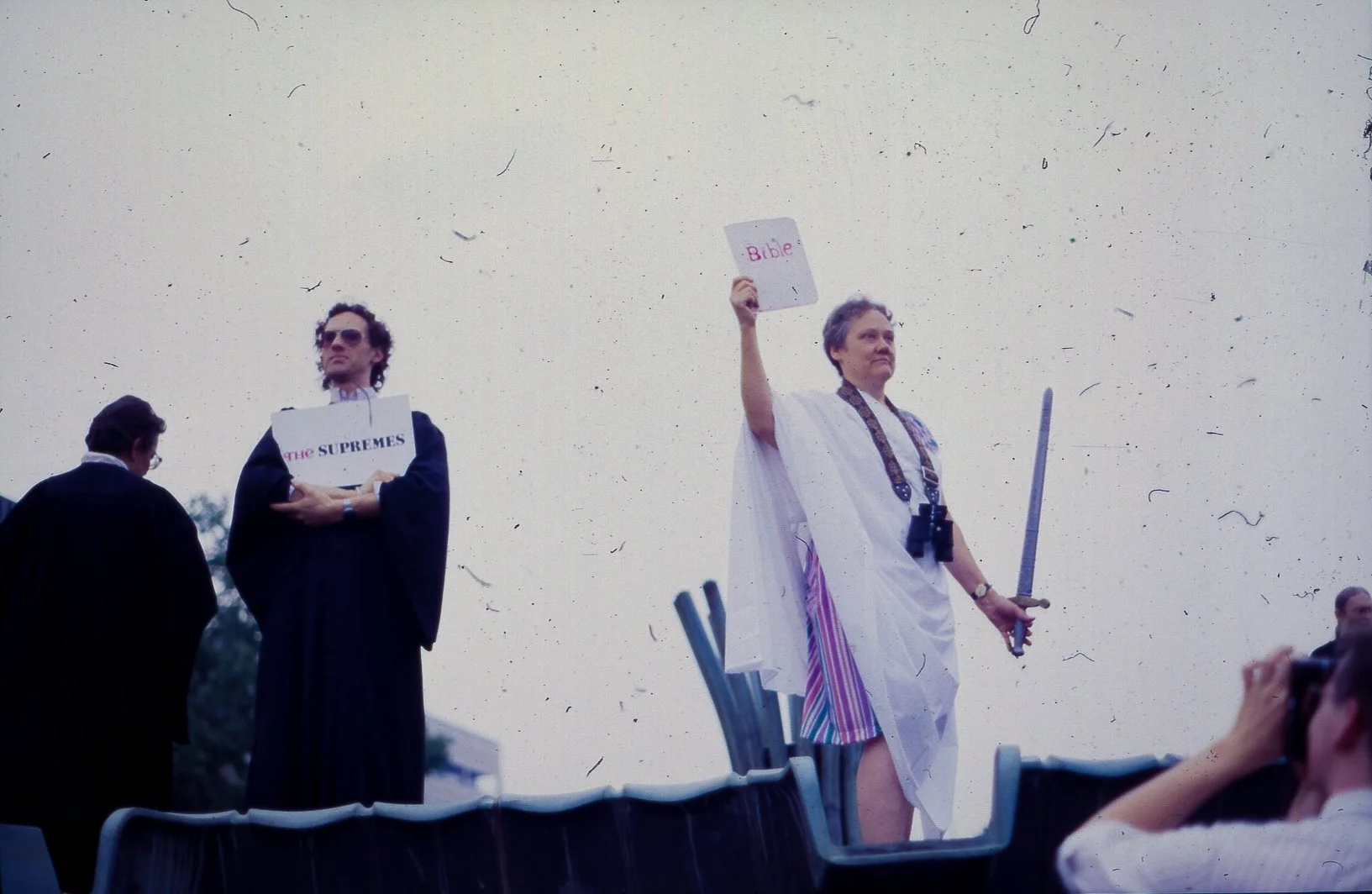
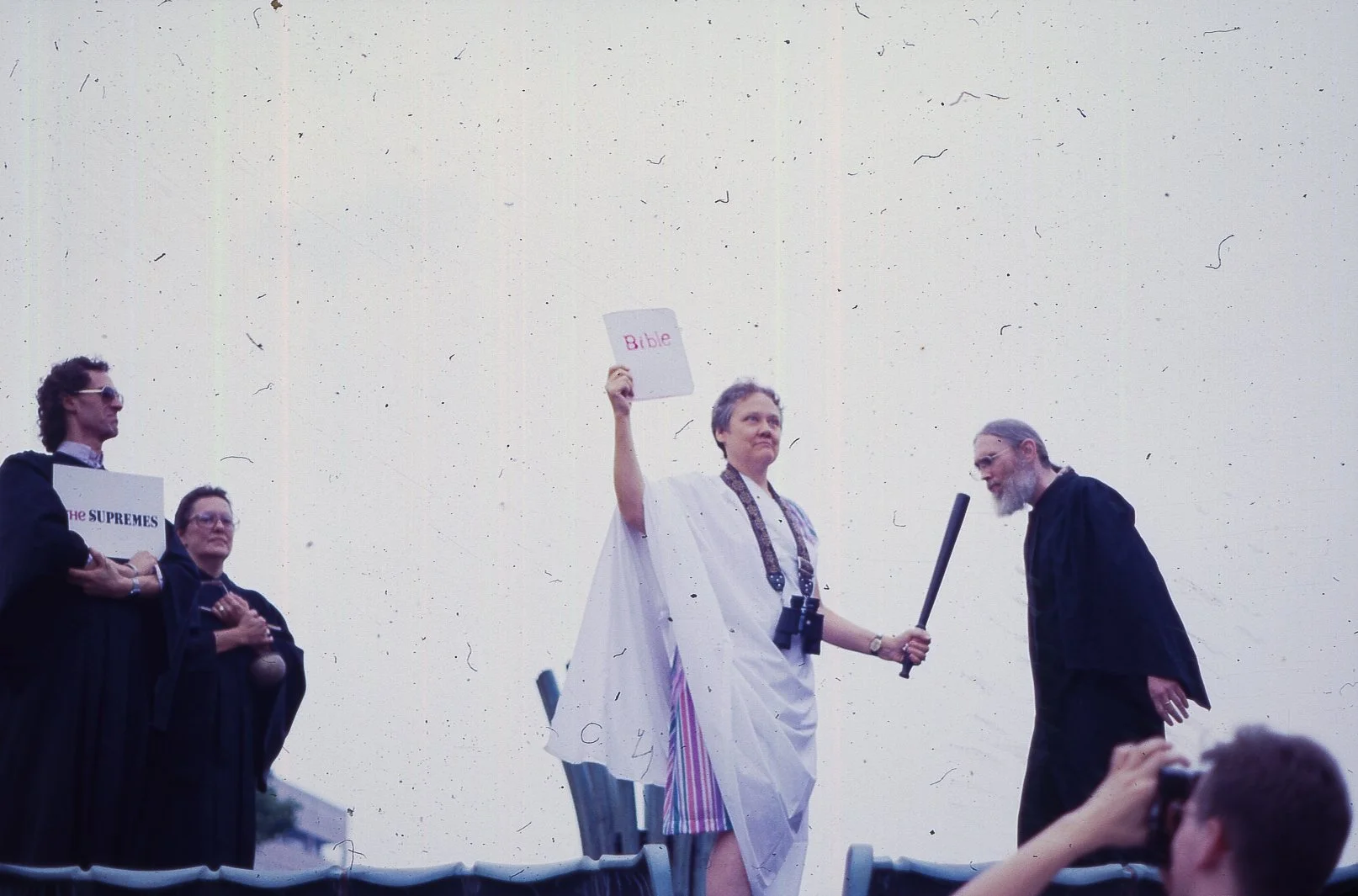
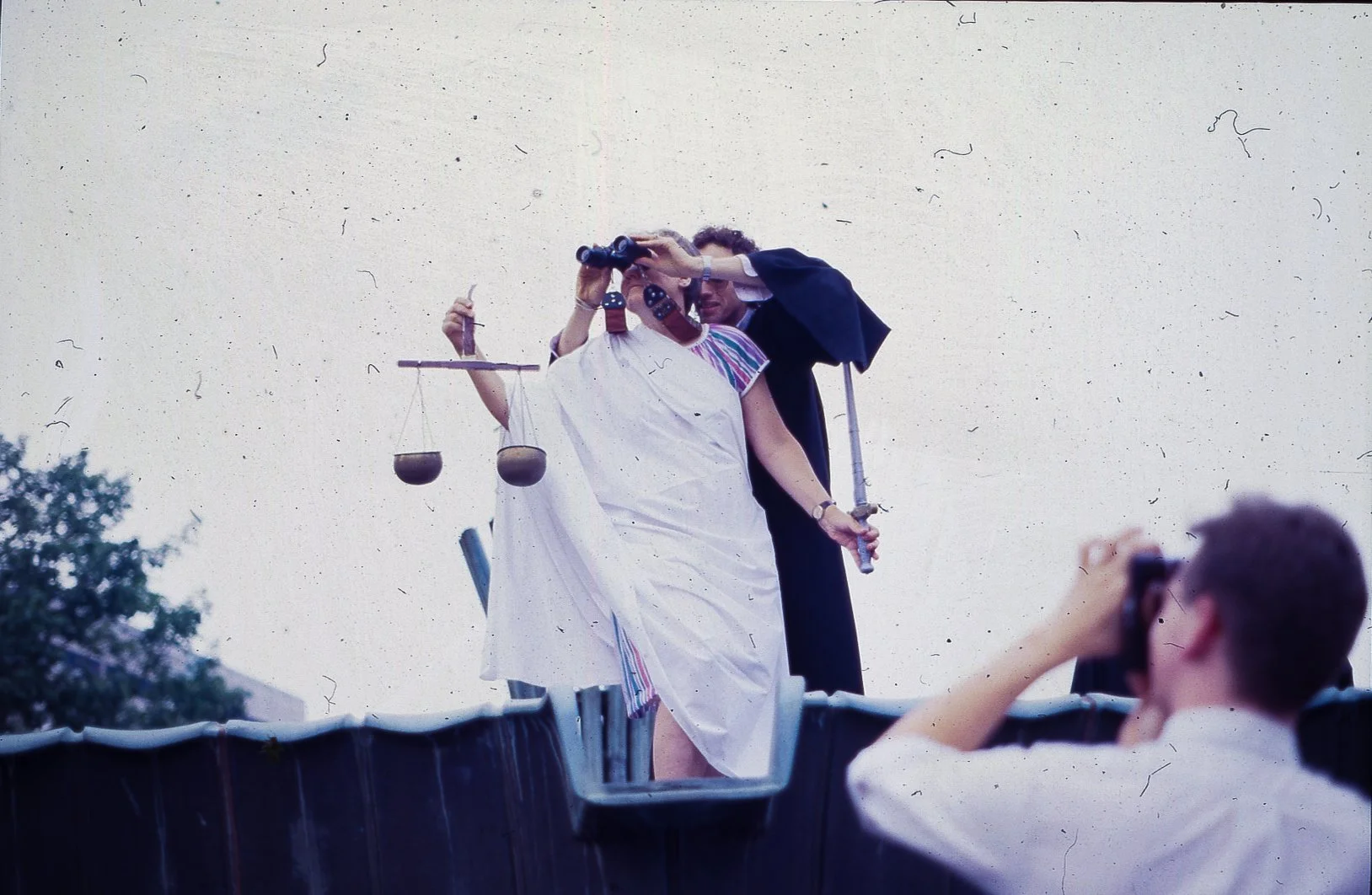
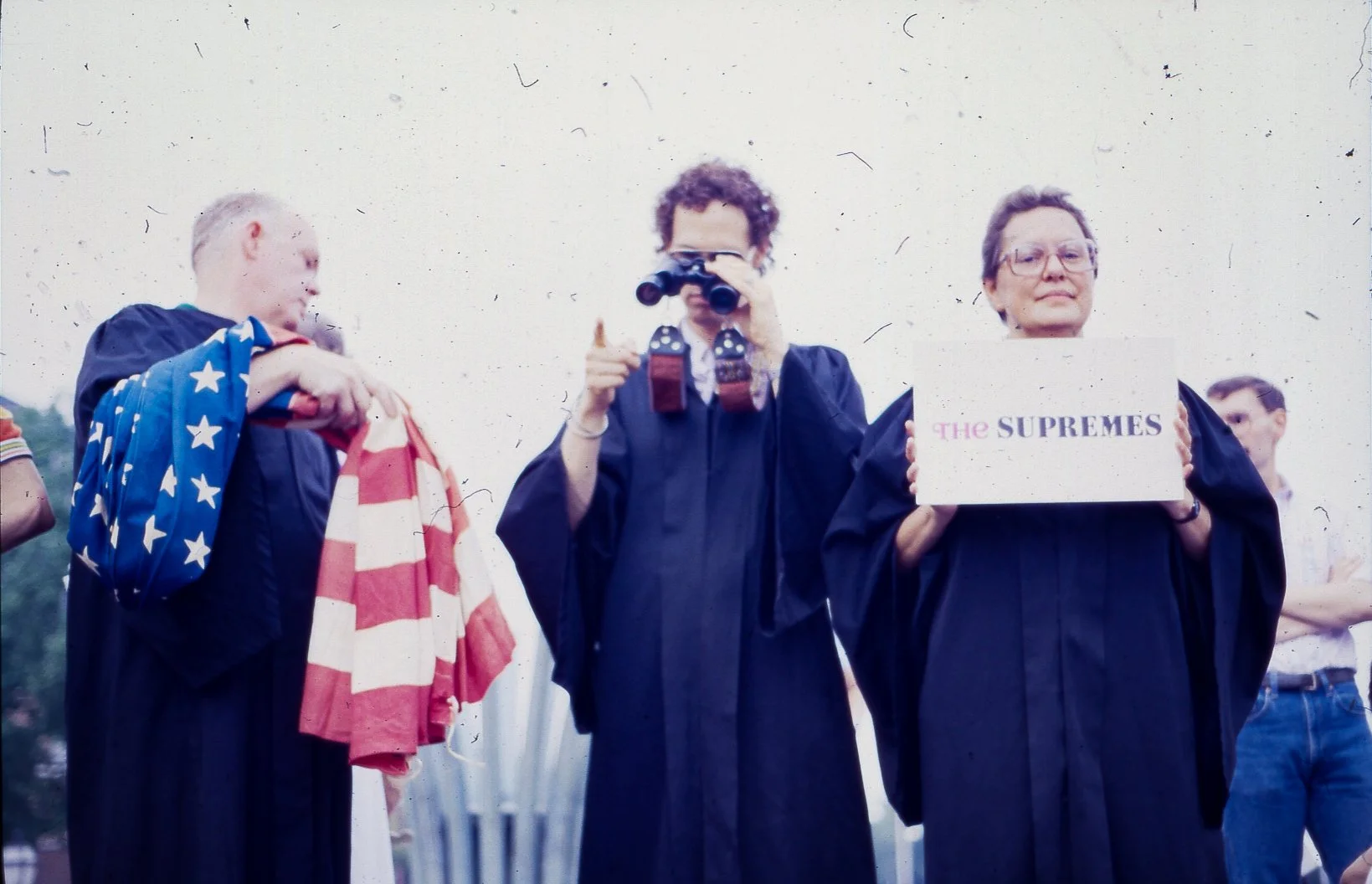
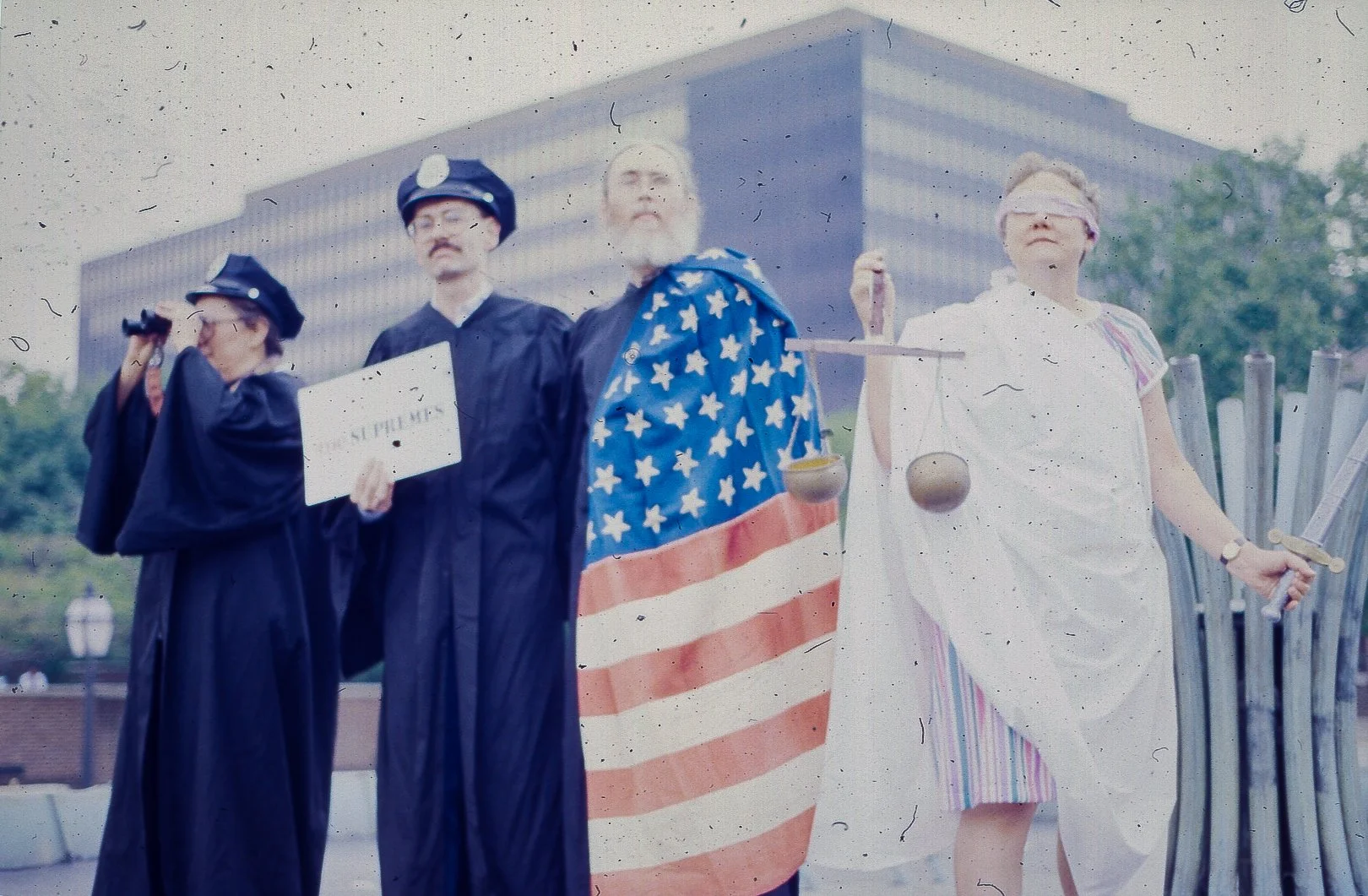
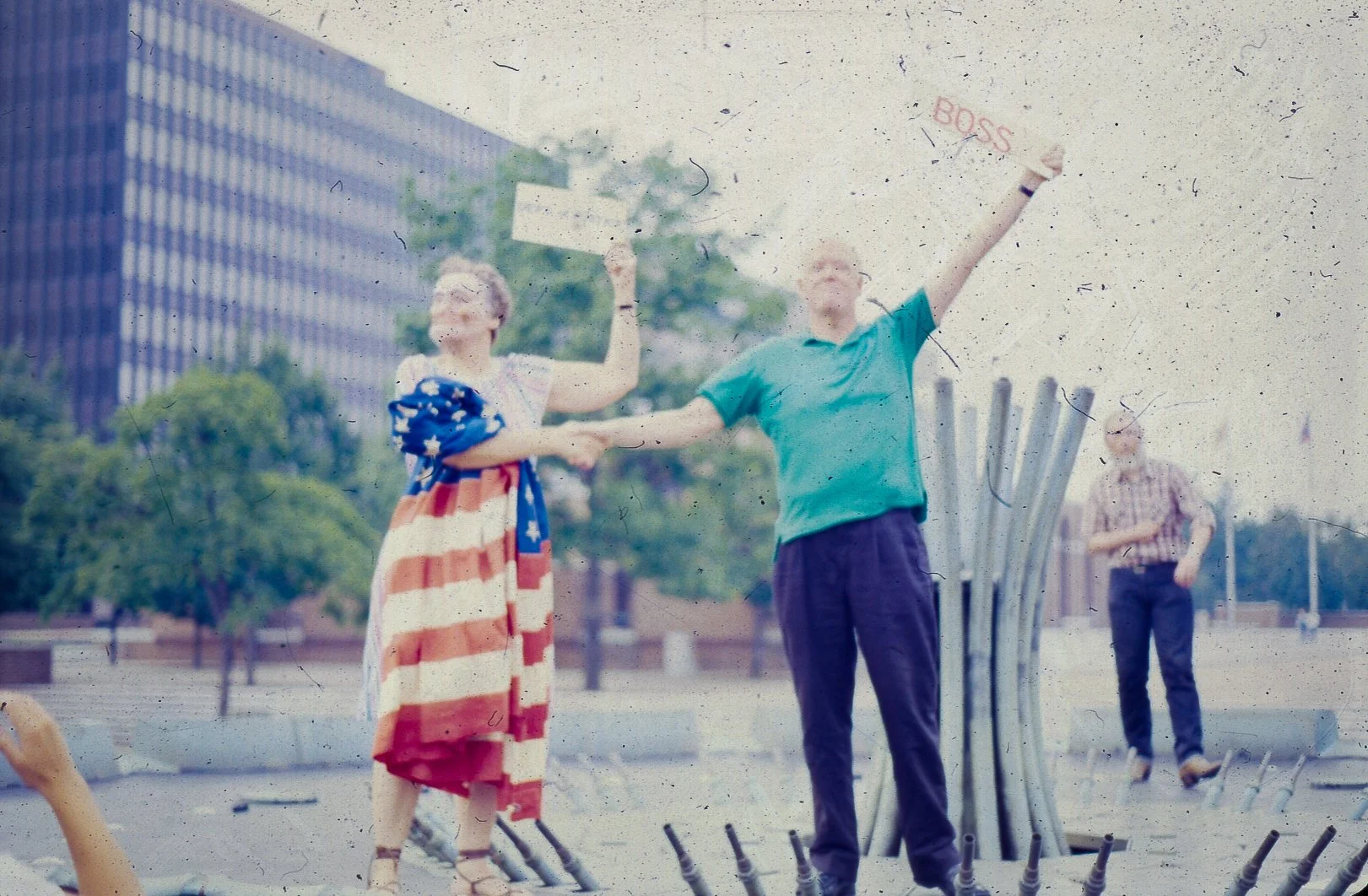
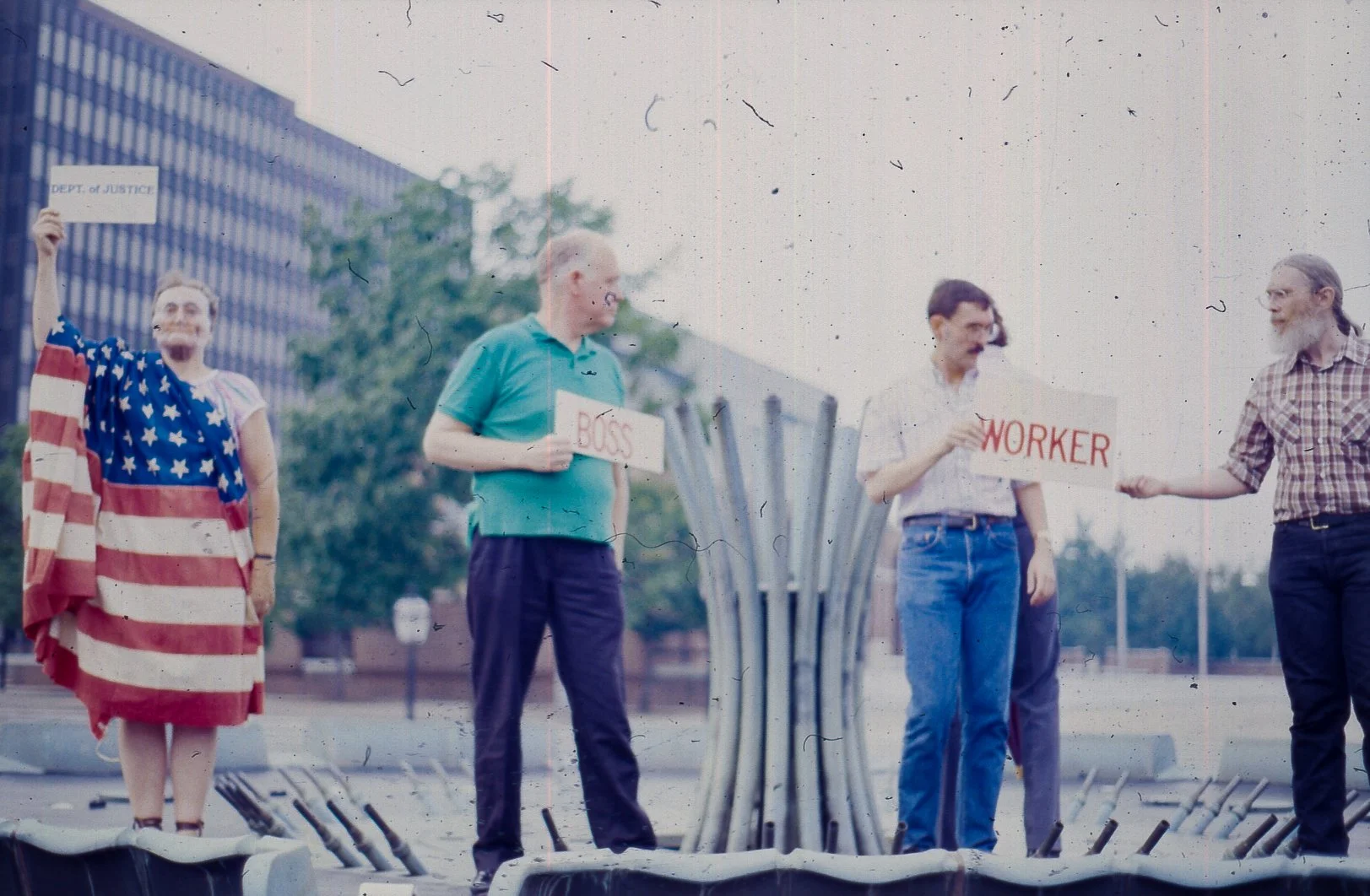
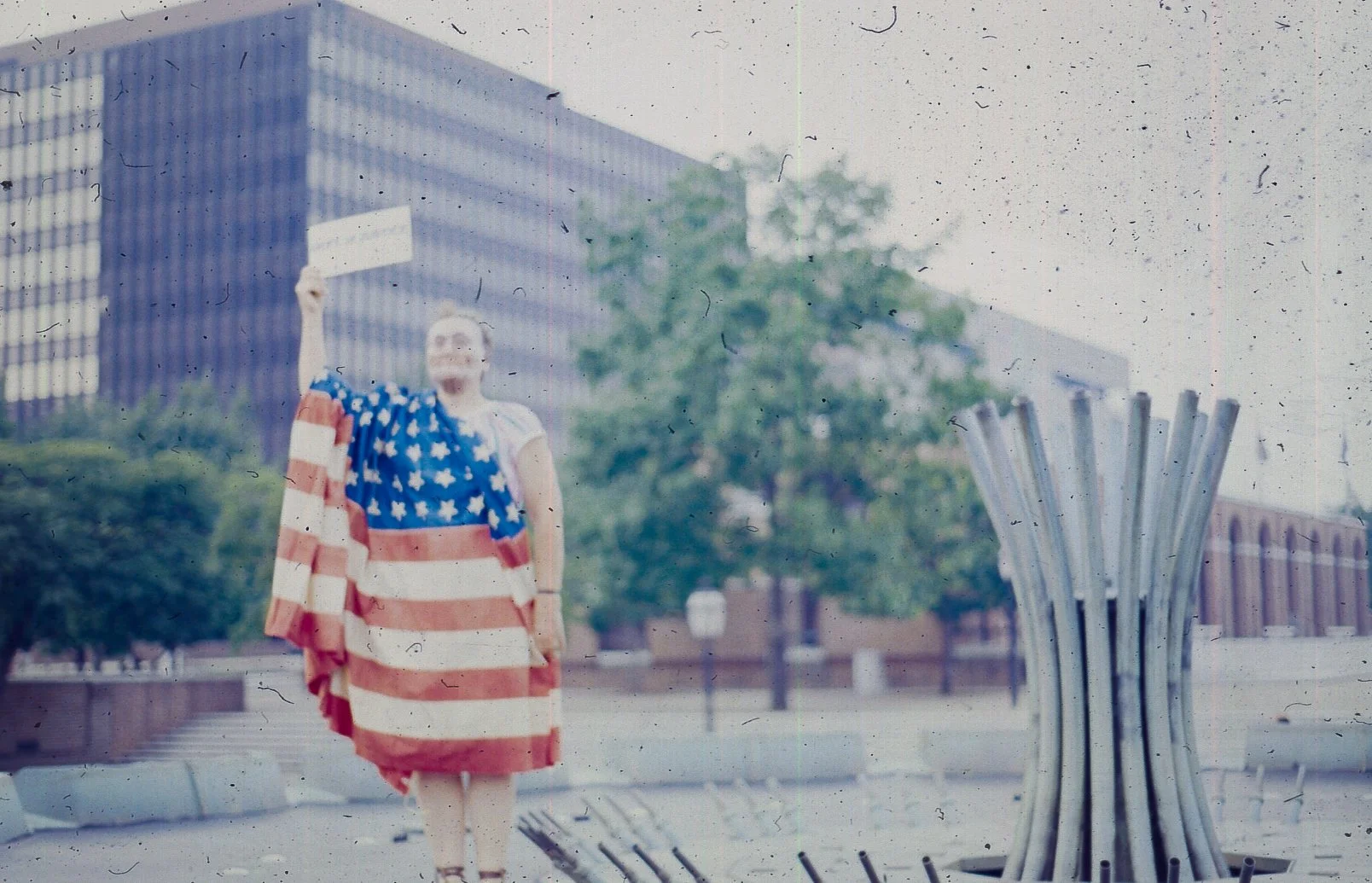
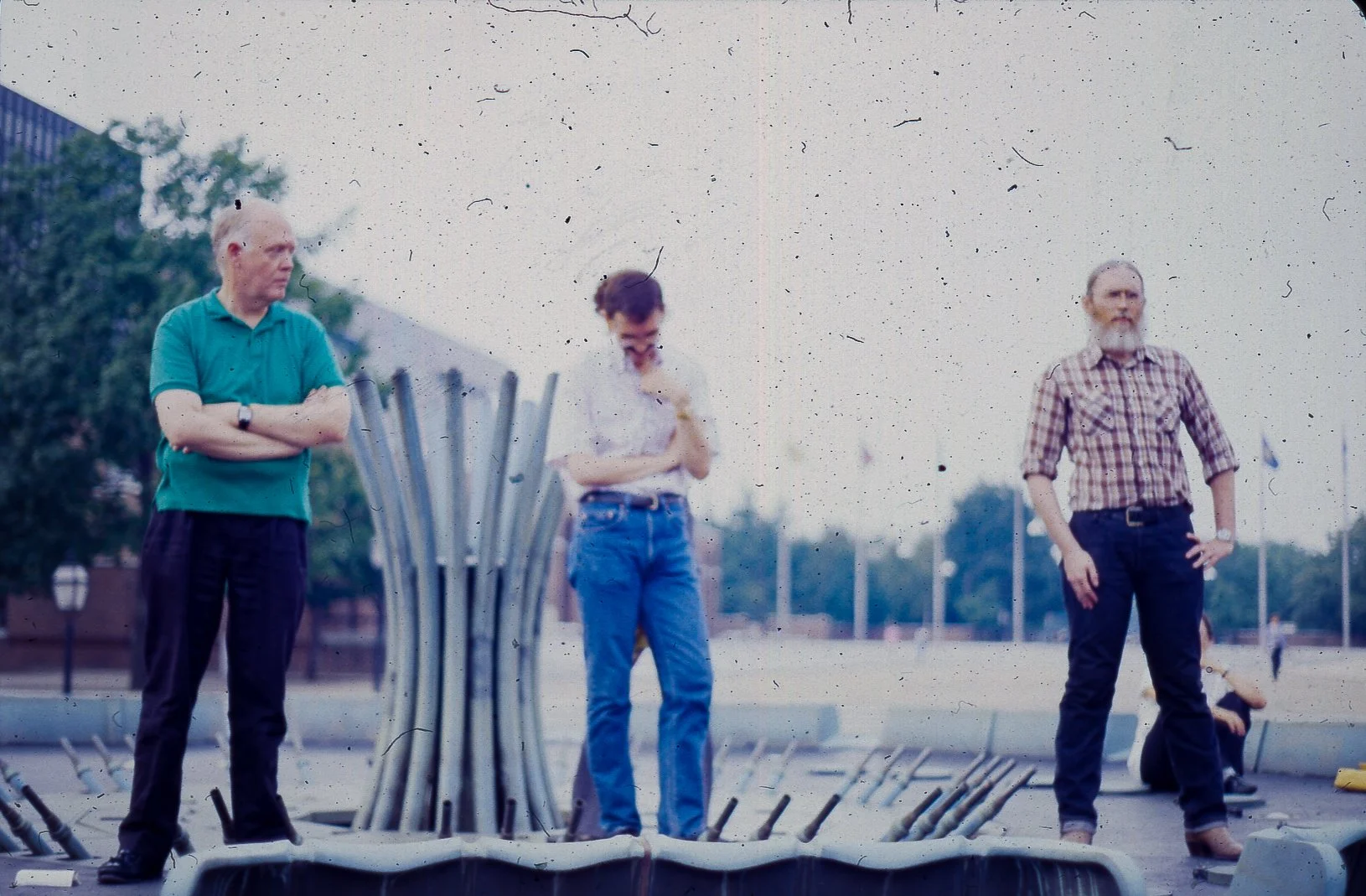
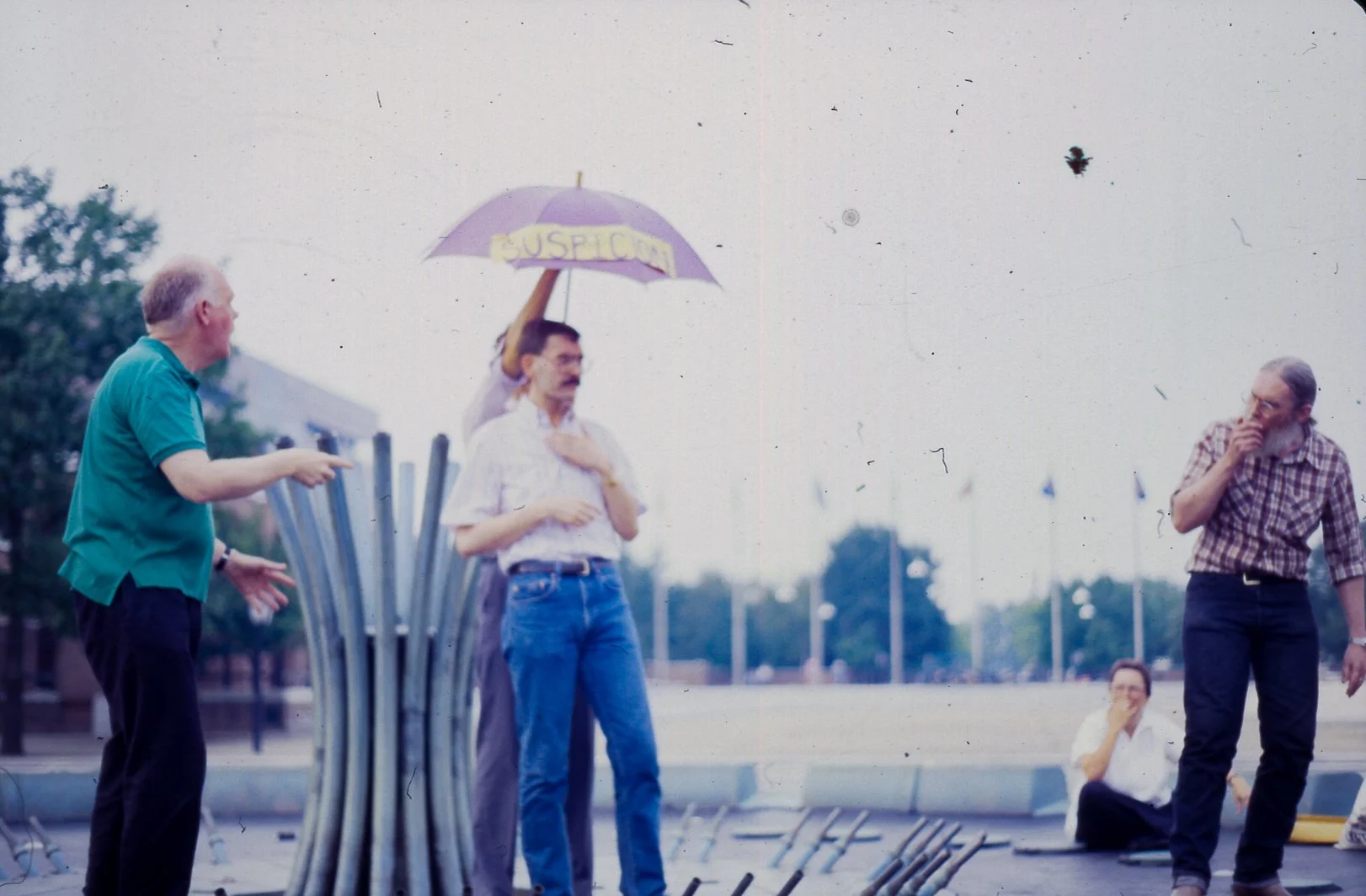
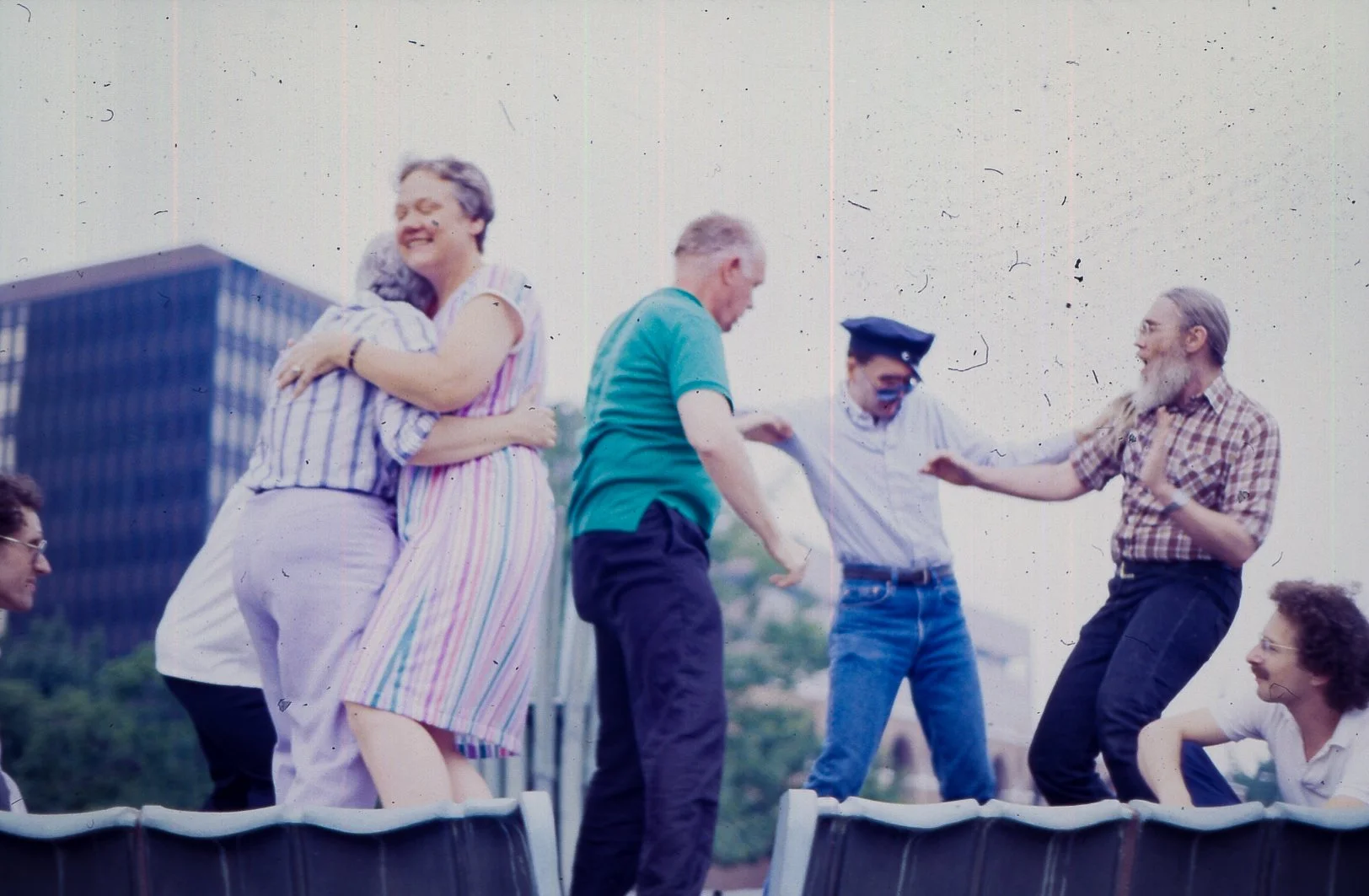
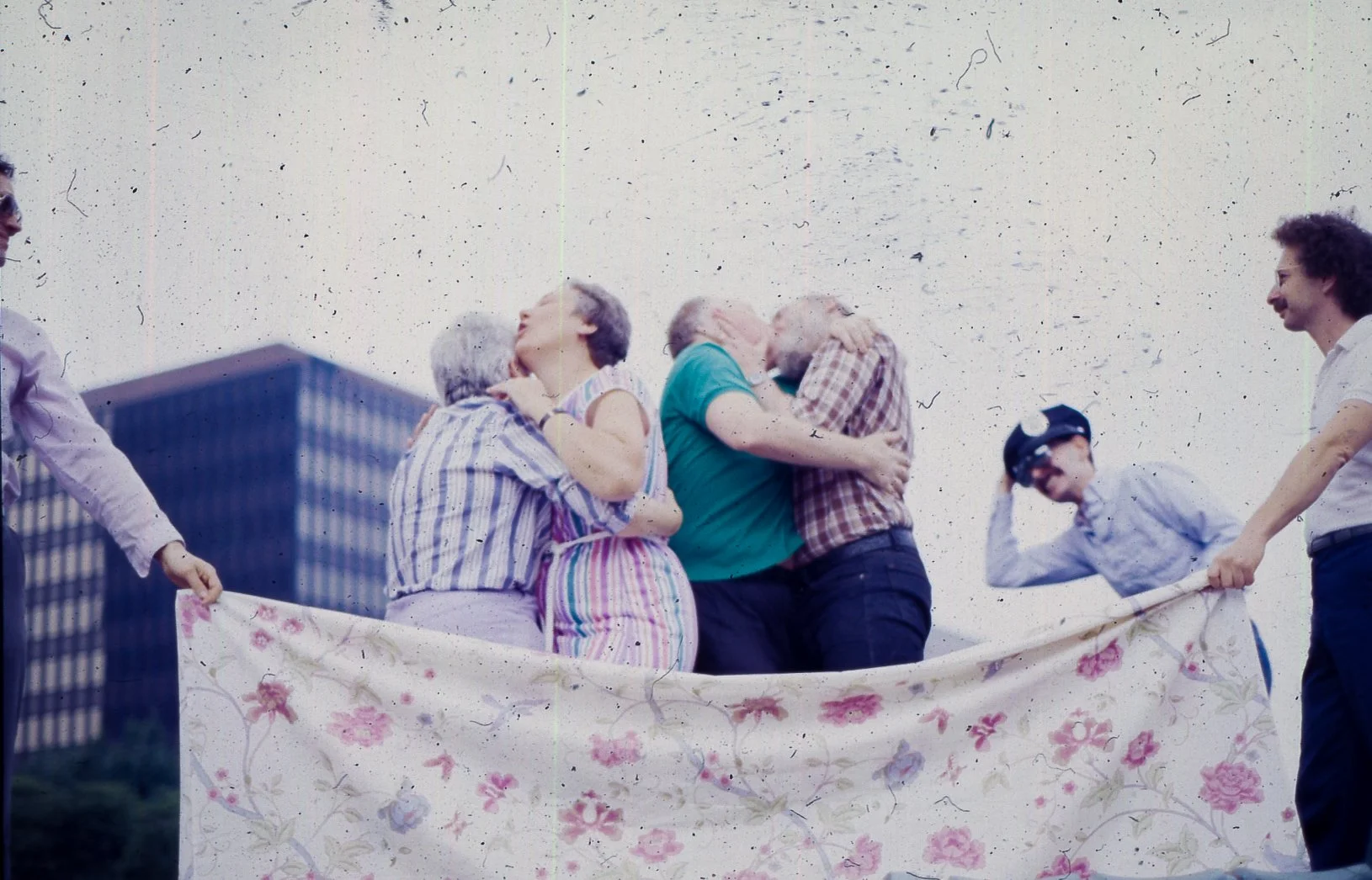
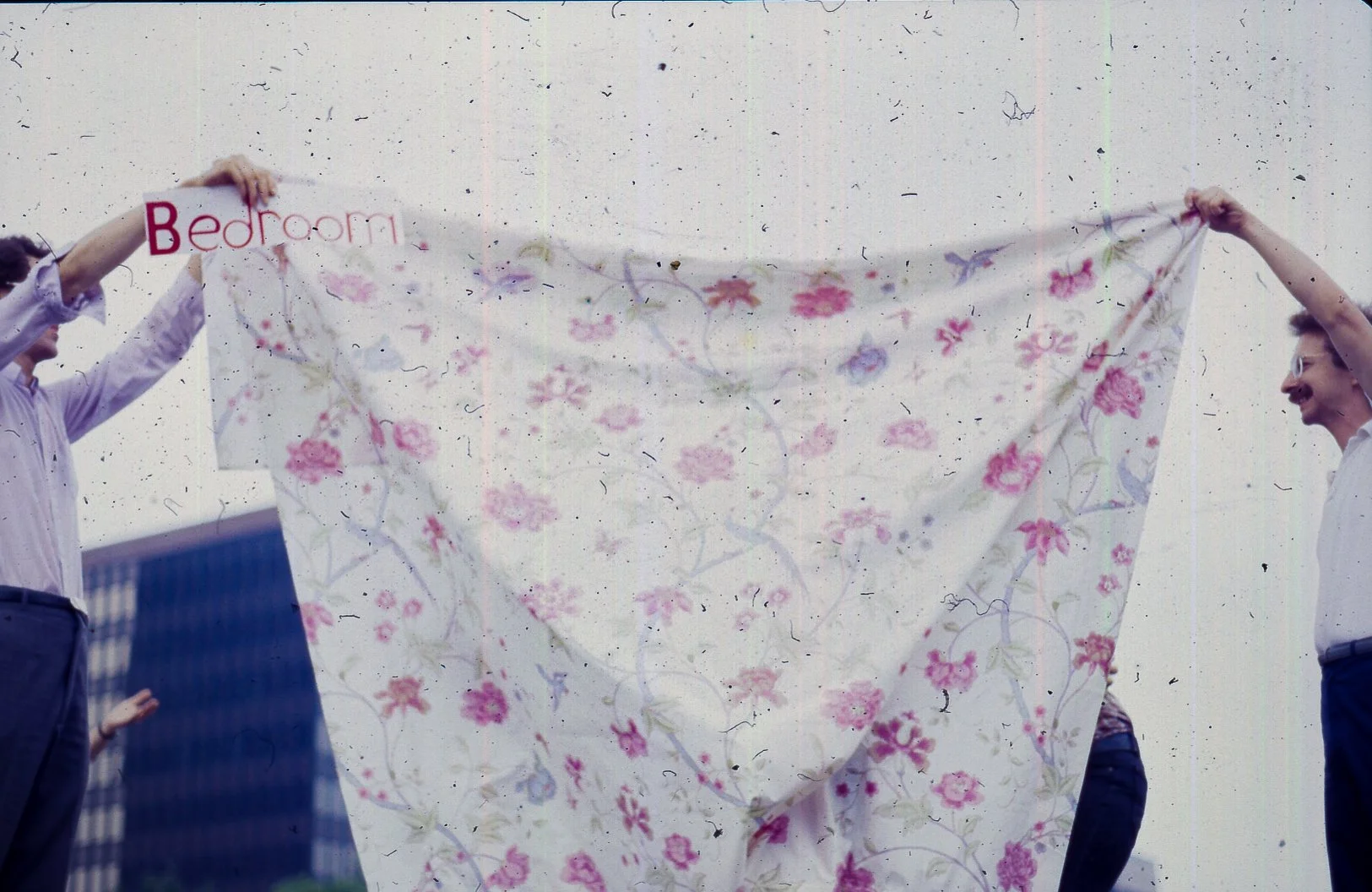
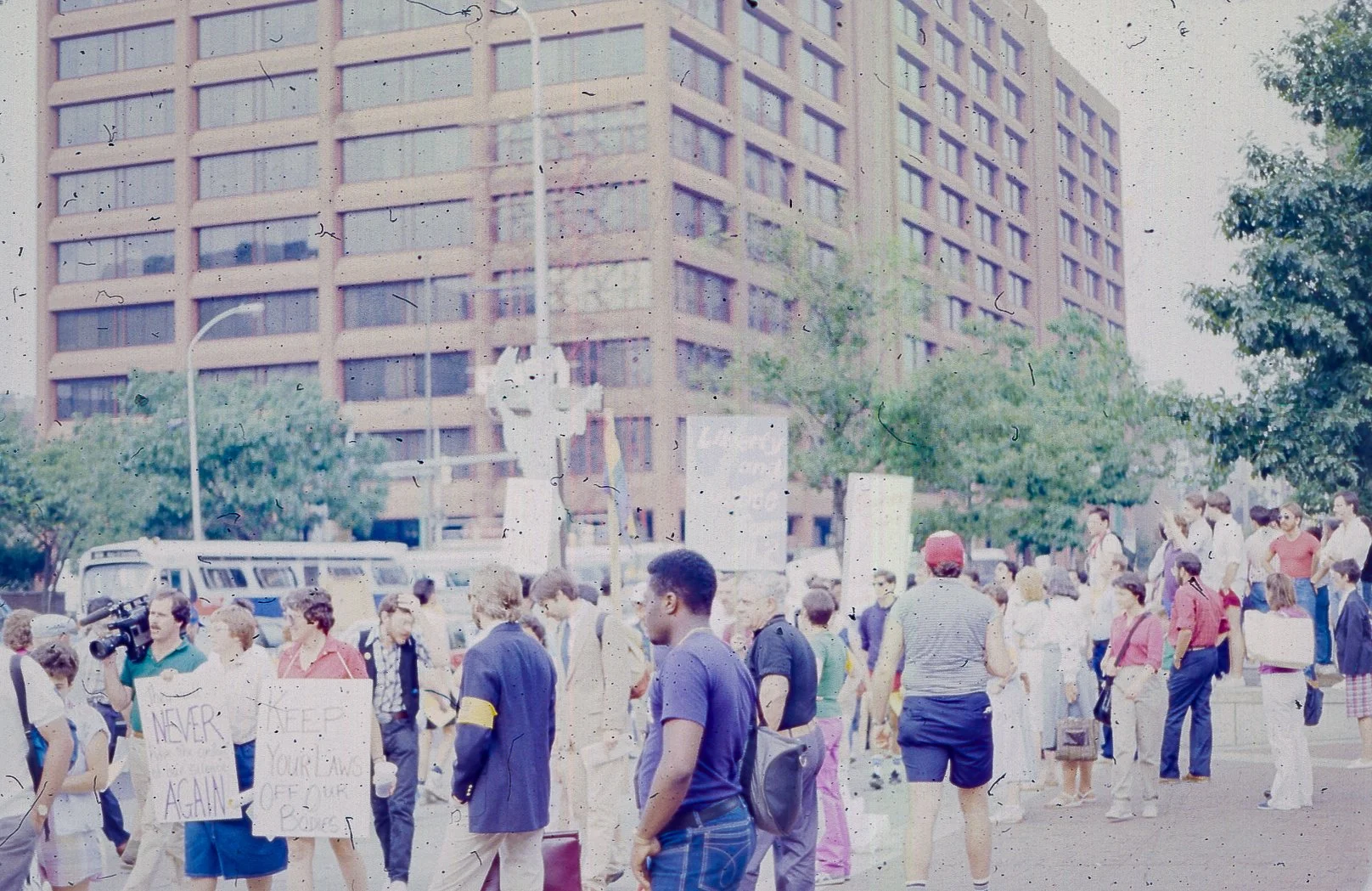
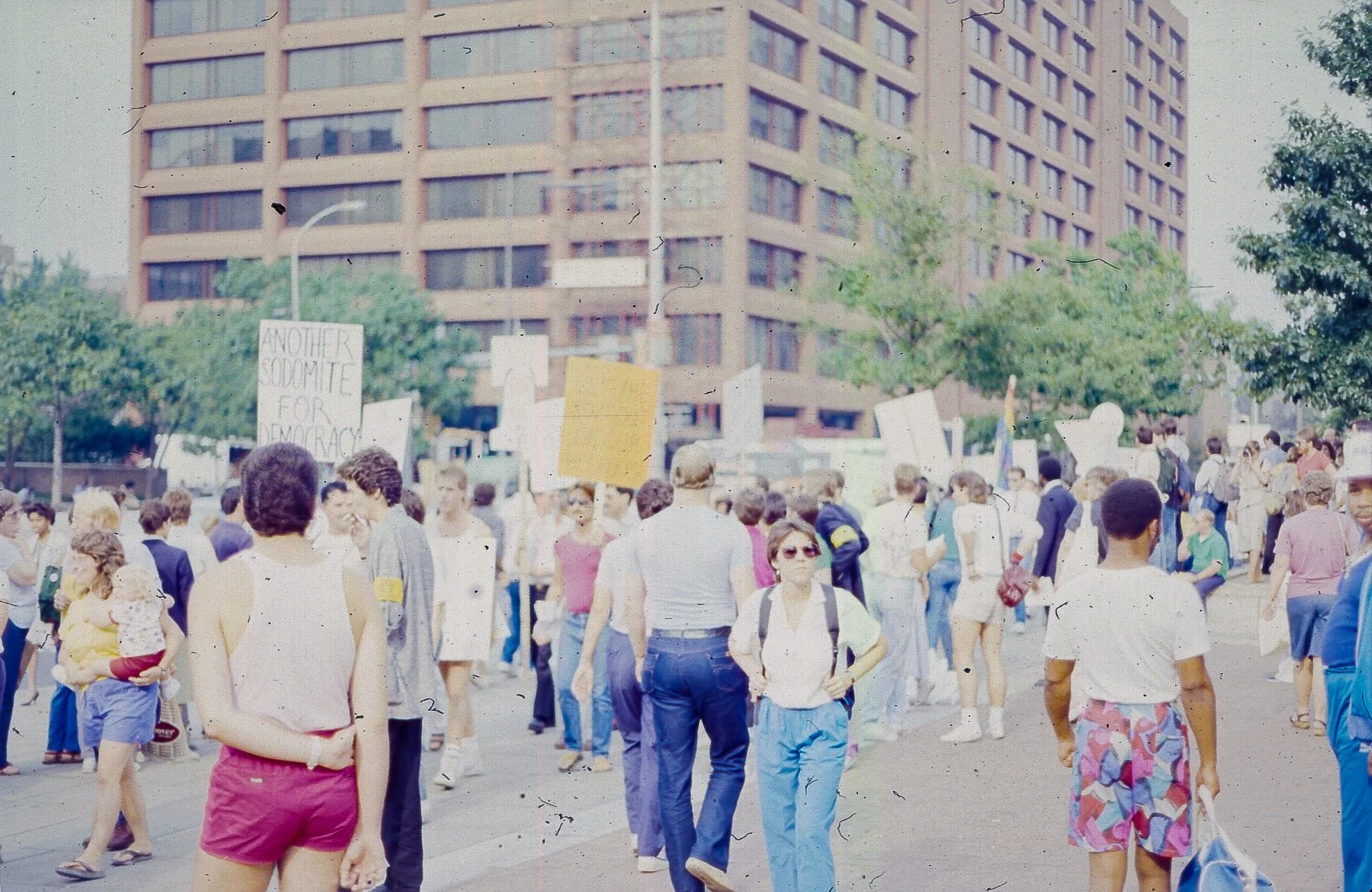
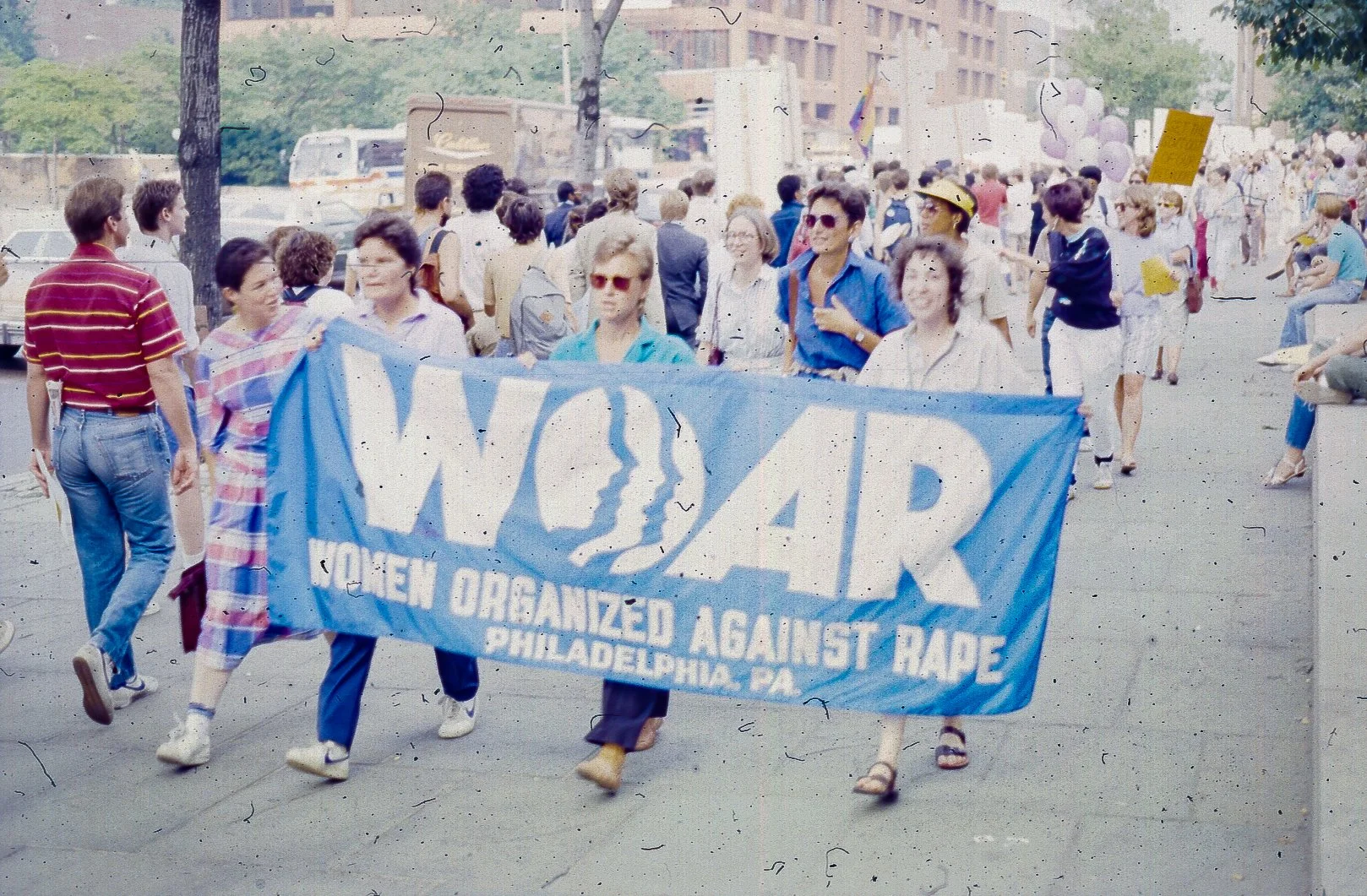
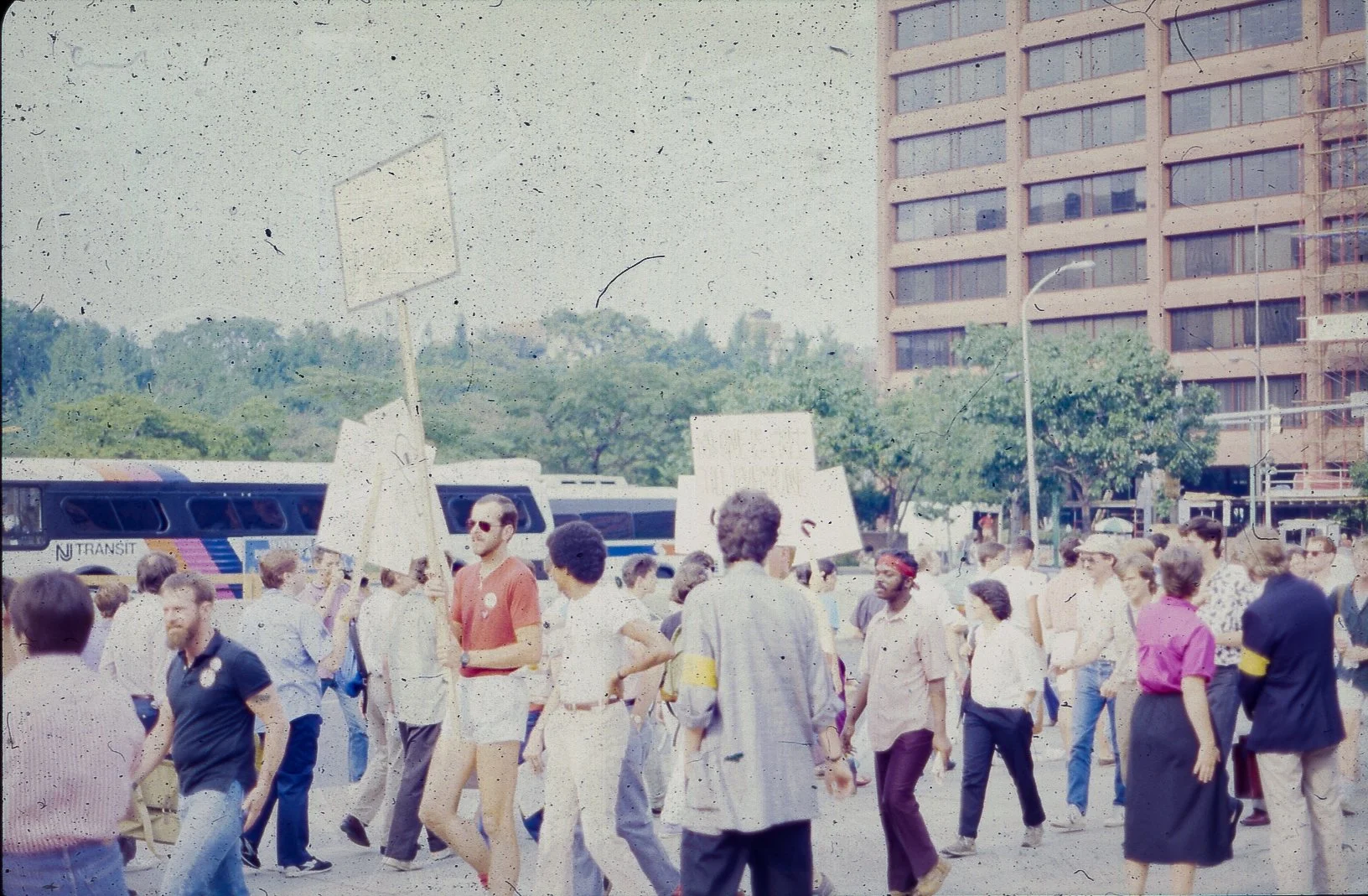
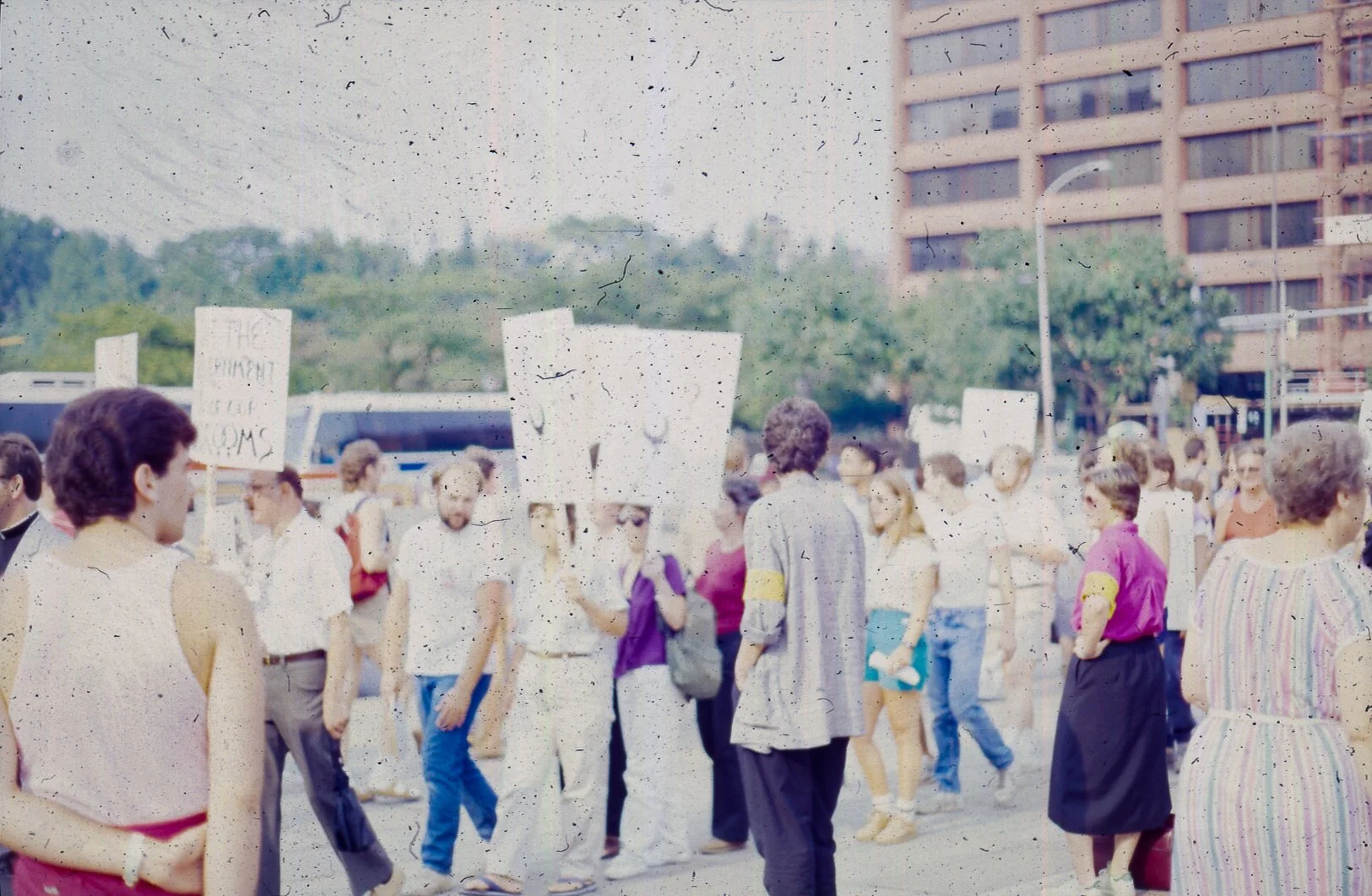
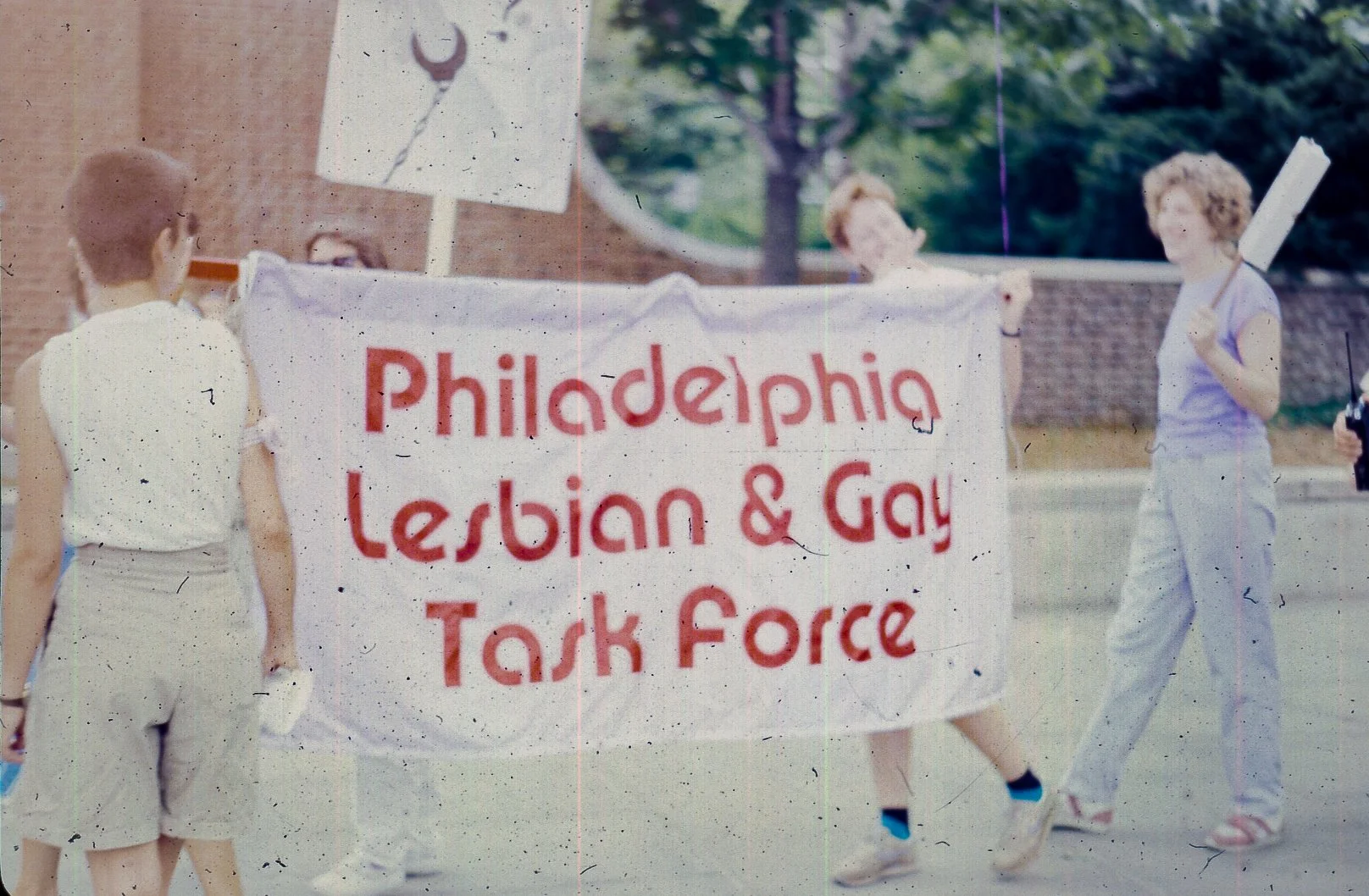
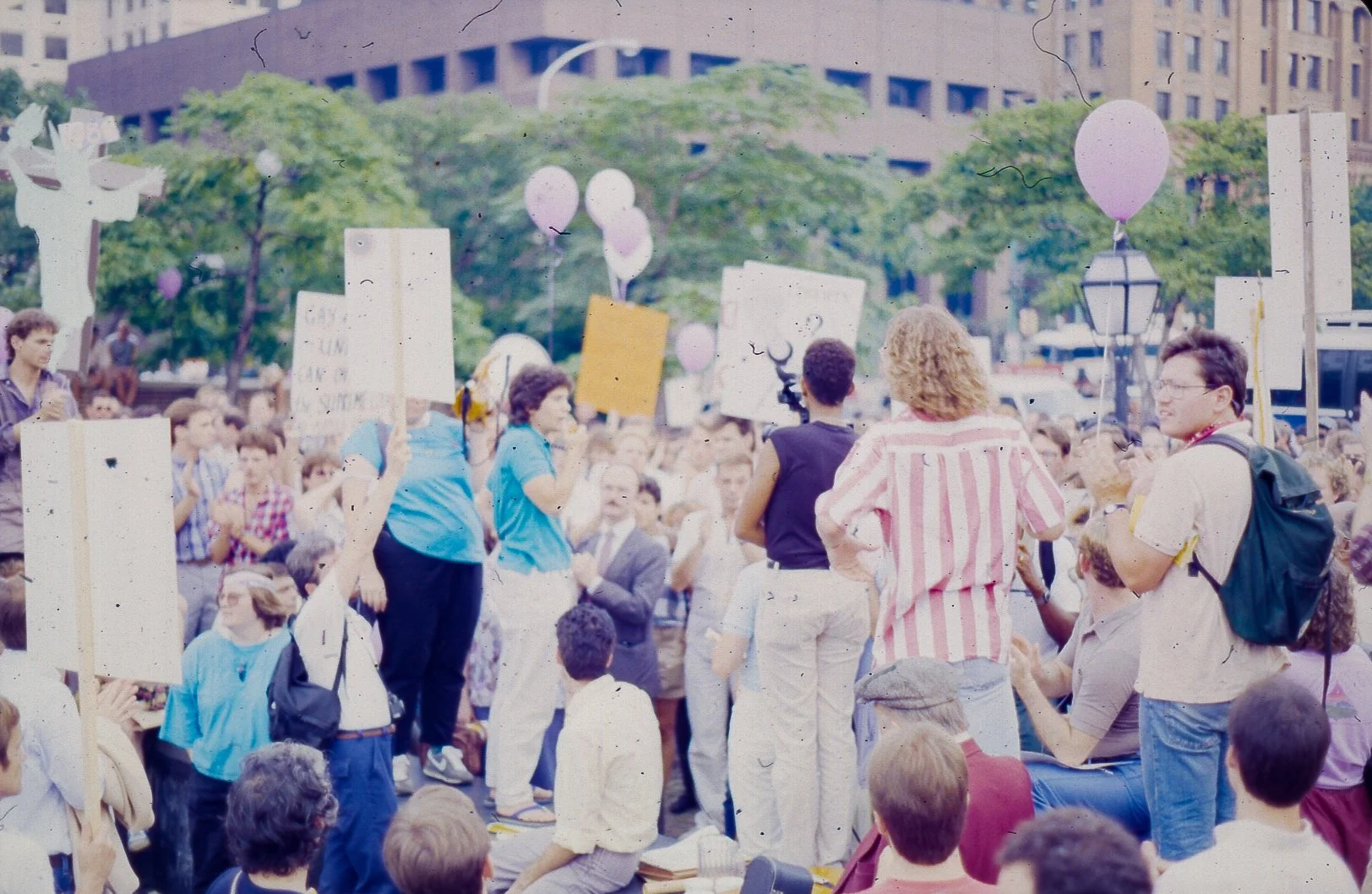
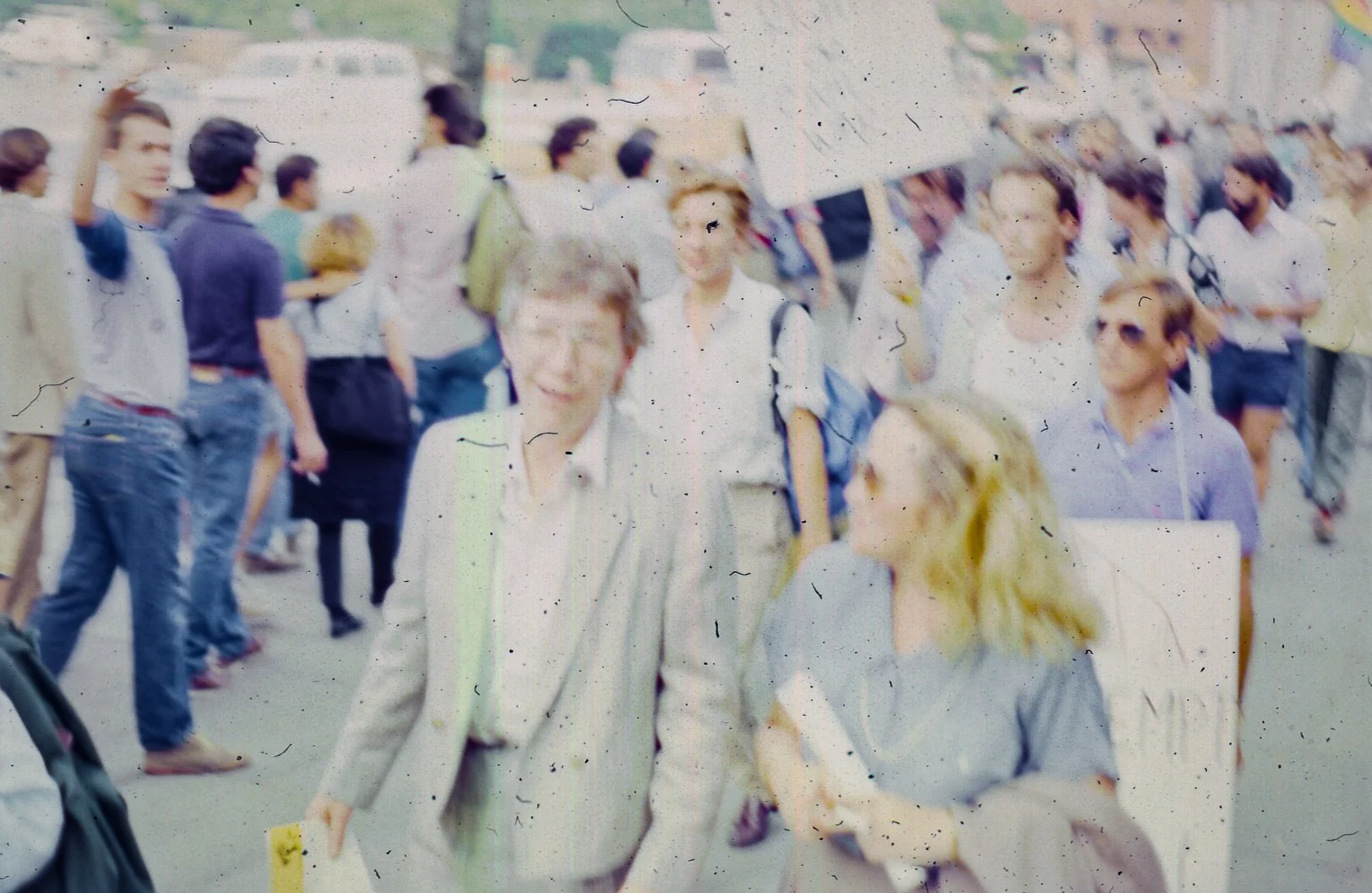
In 1987, Chief Justice of the Supreme Court Warren Burger visited Philadelphia to commemorate the Bicentennial of the US Constitution. Infamously homophobic, Burger was instrumental in allowing states to continue to uphold sodomy laws in 1986. When he arrived in Philadelphia, the LGBTQ+ community staged a large protest they dubbed the “Burger Roast,” which subverted patriotic imagery in an echo of the 1976 Bicentennial protests.
Notable figures involved included Black lesbian feminist author and activist Anita Cornwell, writer and journalist Victoria Brownworth, activist Rita Addessa, and many others. Barbara Gittings, who organized the Annual Reminders two decades earlier, also participated. Unlike the strict dress code and bans of public displays of affection of the Annual Reminders in the 1960s, Gittings participated in guerrilla theater dressed as Lady Justice and embraced others on stage. This contrast exemplifies the extent to which the movement had grown and evolved in two decades, offering tools that were crucial during the HIV/AIDS crisis which continue to be important for our resistance today.
These photographic slides, by an unknown photographer, were found within our archives. They were scanned for this exhibition, making them available online for the first time.