
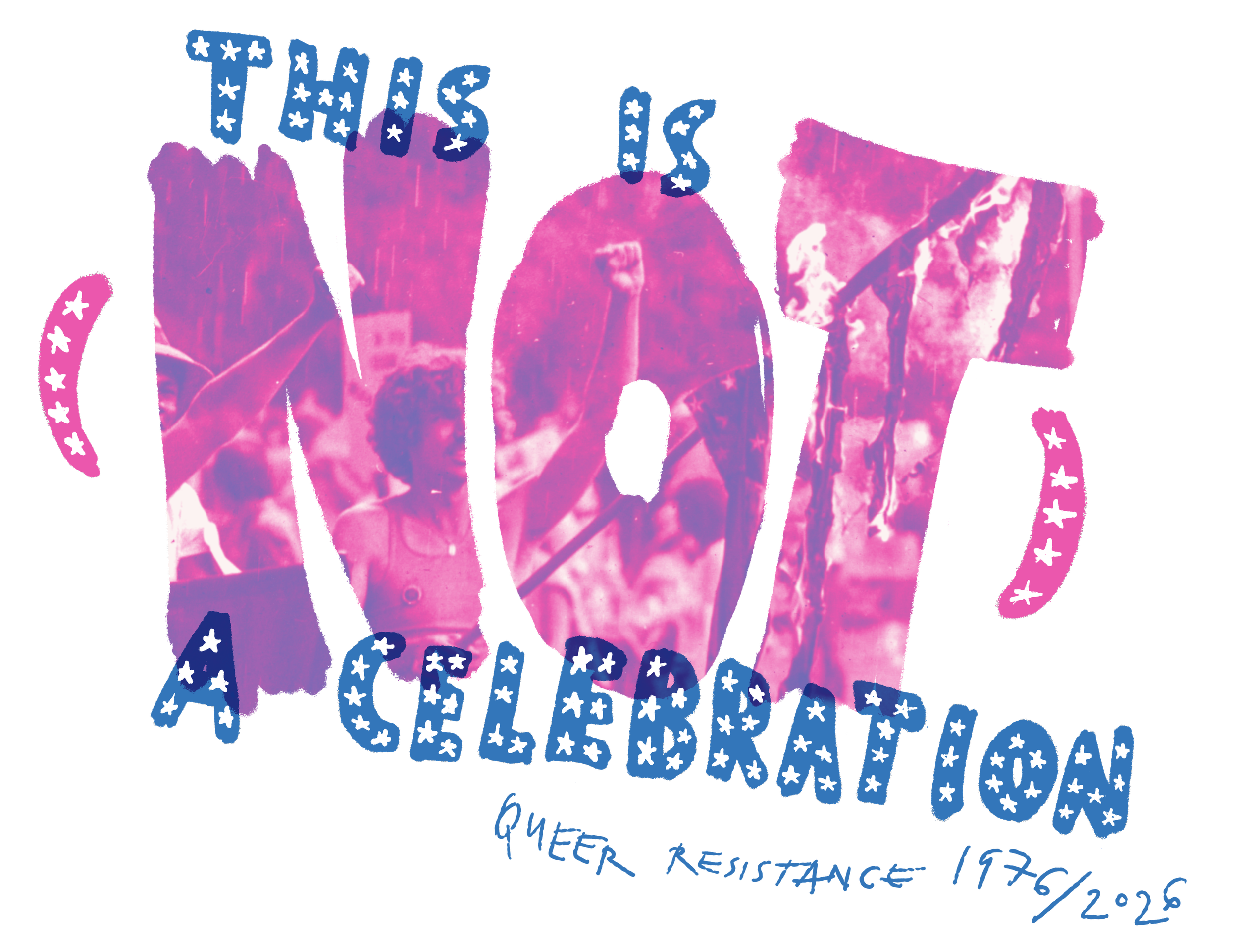
These materials from the John J. Wilcox, Jr. Archives at the William Way LGBT Community Center reveal an LGBTQ+ movement that was far from monolithic. Many activists pursued inclusion through legislation and public visibility, while others called for revolutionary social change that required the dismantling of oppressive systems—and even the US government itself. Tactics ranged from the nonviolent organizing of Quaker activist George Lakey, to militant direct action of Susan Saxe, who participated in a bank robbery in protest of the Vietnam War.
Using the symbolism of the American Revolution, Philadelphia’s LGBTQ+ community exposed the contradictions inherent in the founding of our country and the persistence of exclusion, injustice, and violence that continue into the present. Spanning roughly a decade before and after 1976, these materials trace the transformation of the Gay Liberation Movement: from the formal protest strategies of the Annual Reminders outside Independence Hall (1965–1969) to confrontational protests challenging the nation’s founding myths, including the 1987 “Burger Roast” protest marking the Constitution’s bicentennial.
Just as people did during the Bicentennial, the 250th anniversary of our country’s founding forces us to grapple with renewed questions. As our community faces increased attacks, specifically on immigrants and the trans community, these materials and stories show us paths forward. They demonstrate our collective power, creativity, humor, and resilience.
From 1965 to 1969, early homophile activists organized the Annual Reminder demonstrations on July 4th in front of Philadelphia’s Independence Hall, making them the first organized, recurring demonstration for LGBTQ+ rights in the United States.
The demonstration was organized by notable activists such as Barbara Gittings, Kay Tobin, and Frank Kameny through a coalition of early homophile groups, called the East Coast Homophile Organizations (which later reorganized and named themselves the Eastern Regional Conference of Homophile Organizations). The demonstration involved a strict dress code, pre-approved signage, and informational pamphlets.
The final Annual Reminder would take place on July 4th, 1969, about a week after the Stonewall Riots on June 28th. In 1970, organizers departed from their previous tactic of picketing in front of Independence Hall, and decided to move the protest to the last week of June in New York City to commemorate the Stonewall Riots, calling it “Christopher Street Liberation Day,” a precursor to Pride Month celebrations.
Fifth Annual Reminder Day Pamphlet, 1969
John J. Wilcox, Jr. Archives, William Way LGBT Community Center
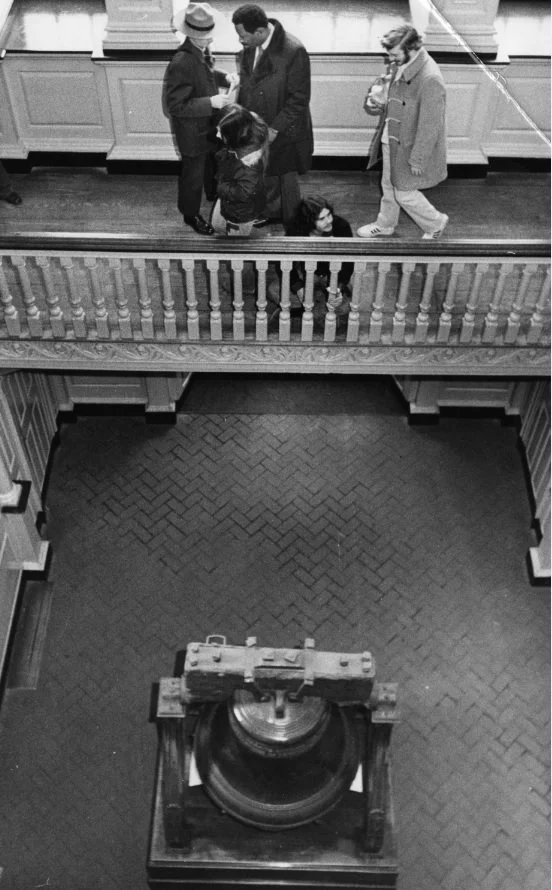
After Stonewall, the approaching Bicentennial was increasingly used by Philadelphia’s LGBTQ+ community to call for change. In one of the earliest instances, in 1973, Mark Segal handcuffed himself to the spindles of the railing overlooking the Liberty Bell, when it was housed in Independence Hall.
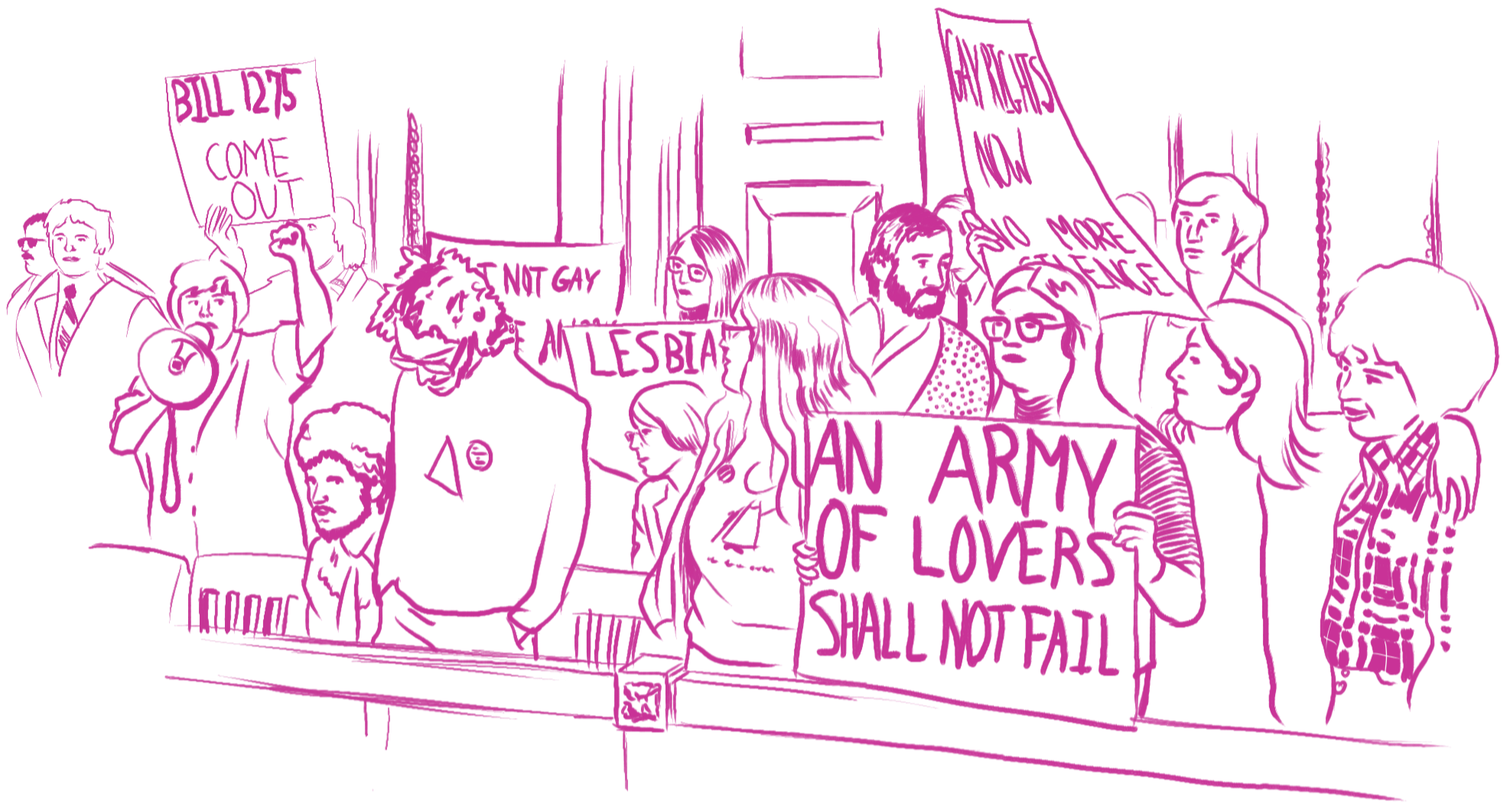
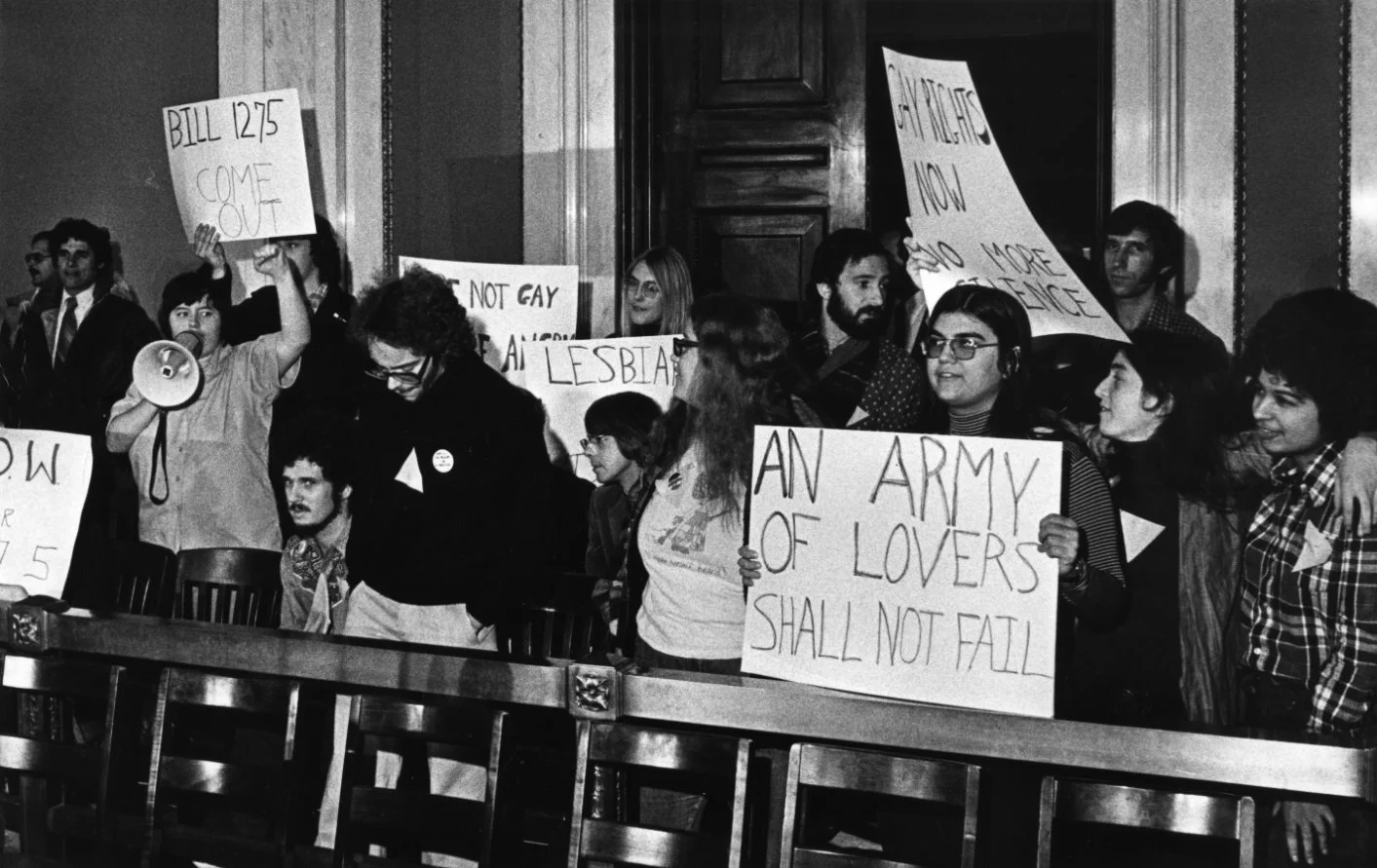
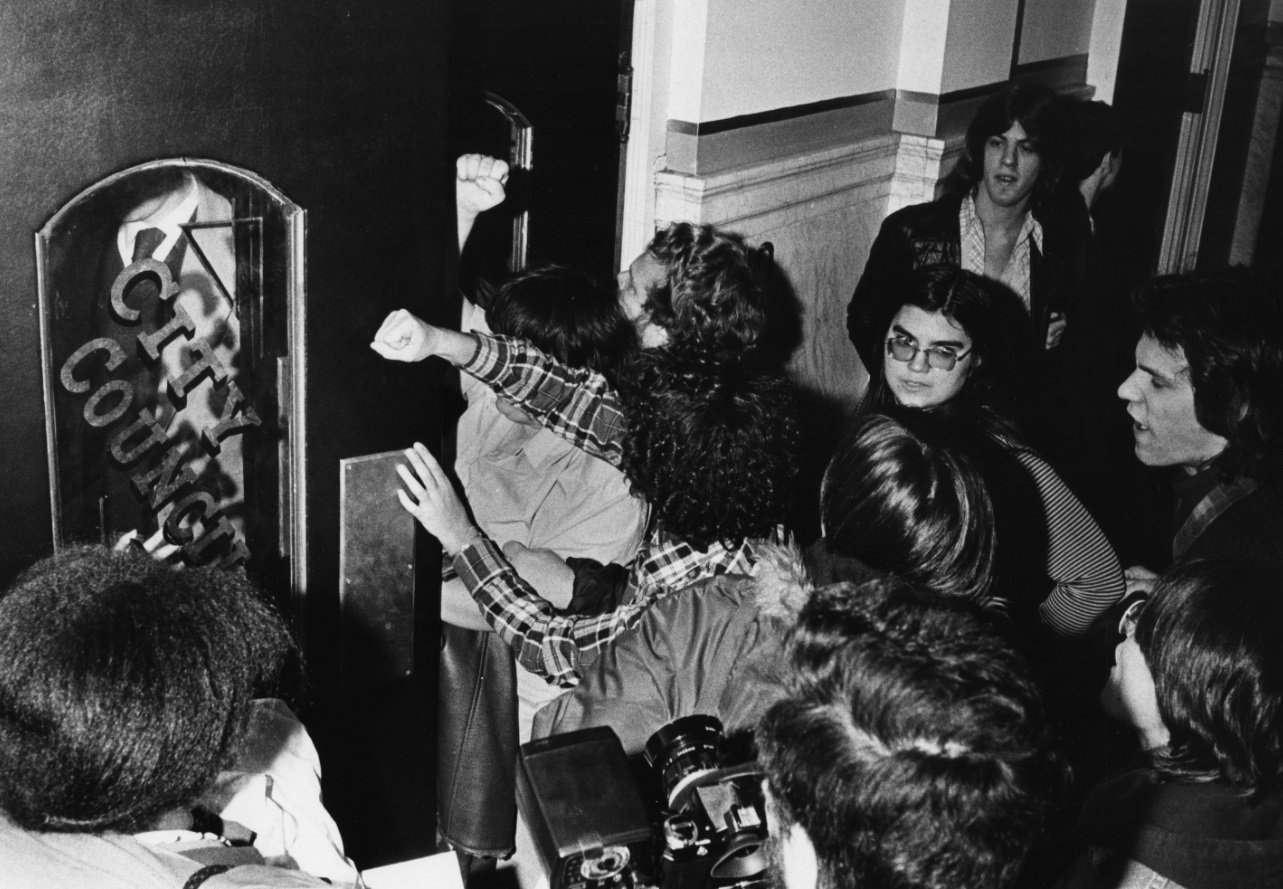
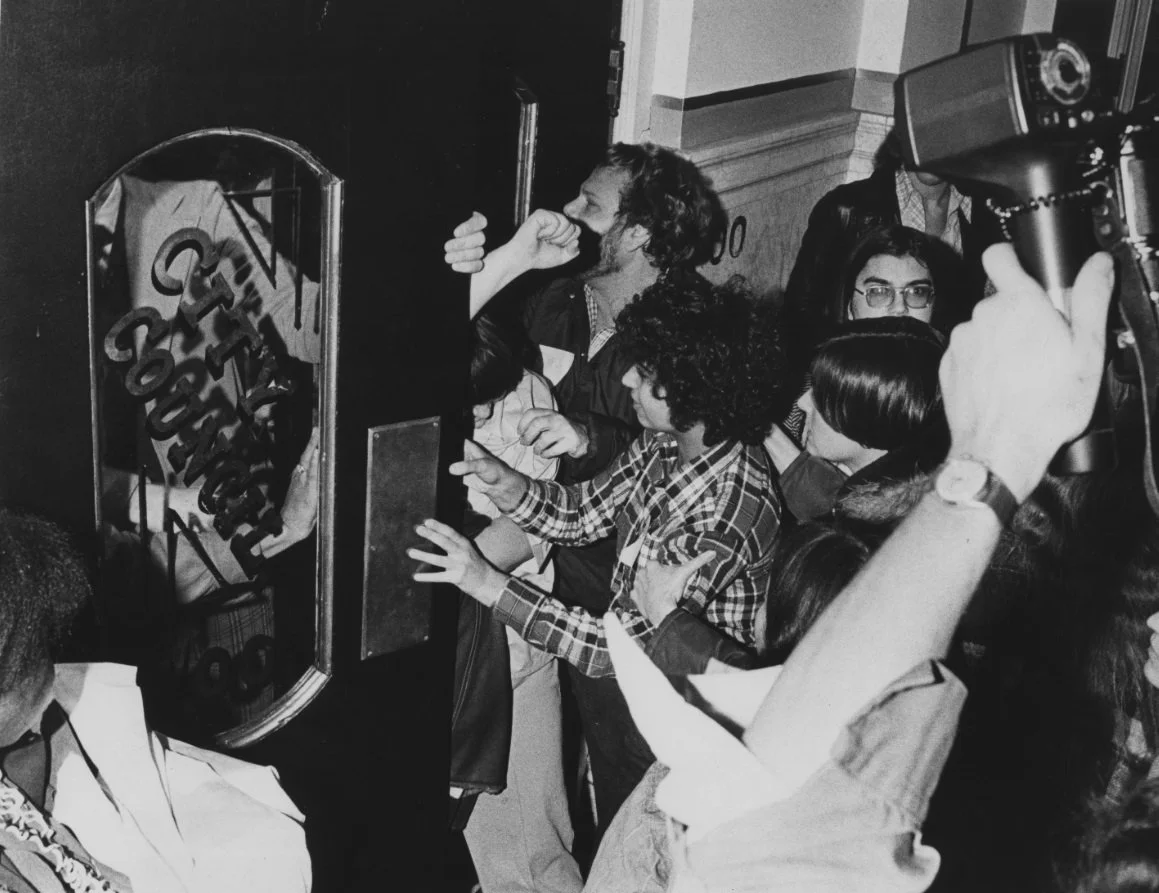
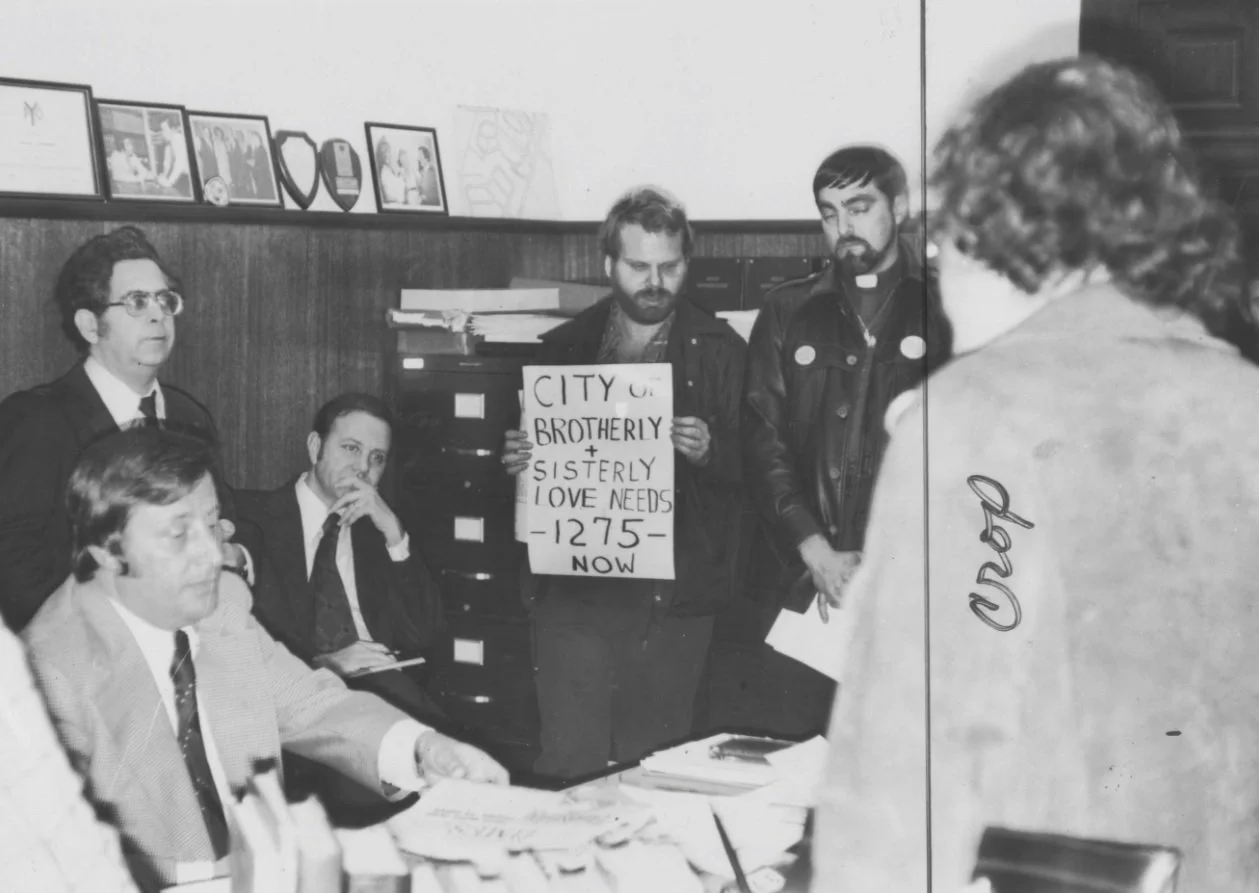
In December of 1975, the Gay Activist Alliance organized a sit-in in the council chambers of Philadelphia’s City Hall over inaction on Bill 1275, the first proposed LGBTQ+ antidiscrimination legislation in Philadelphia. They were joined by Radicalqueens, an early group of trans and gender non-conforming activists, including Cei Bell and Tommi Avicoli Mecca.
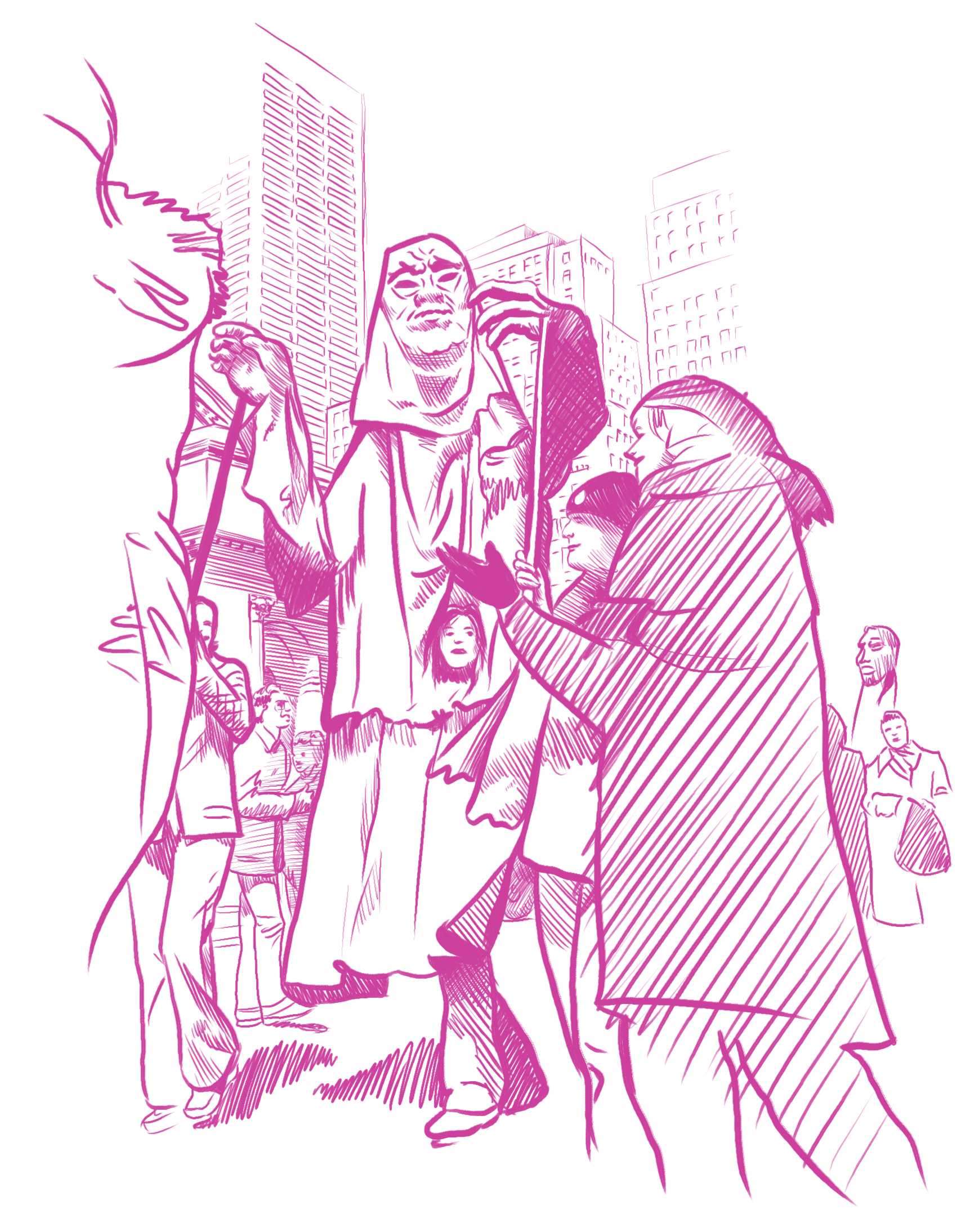
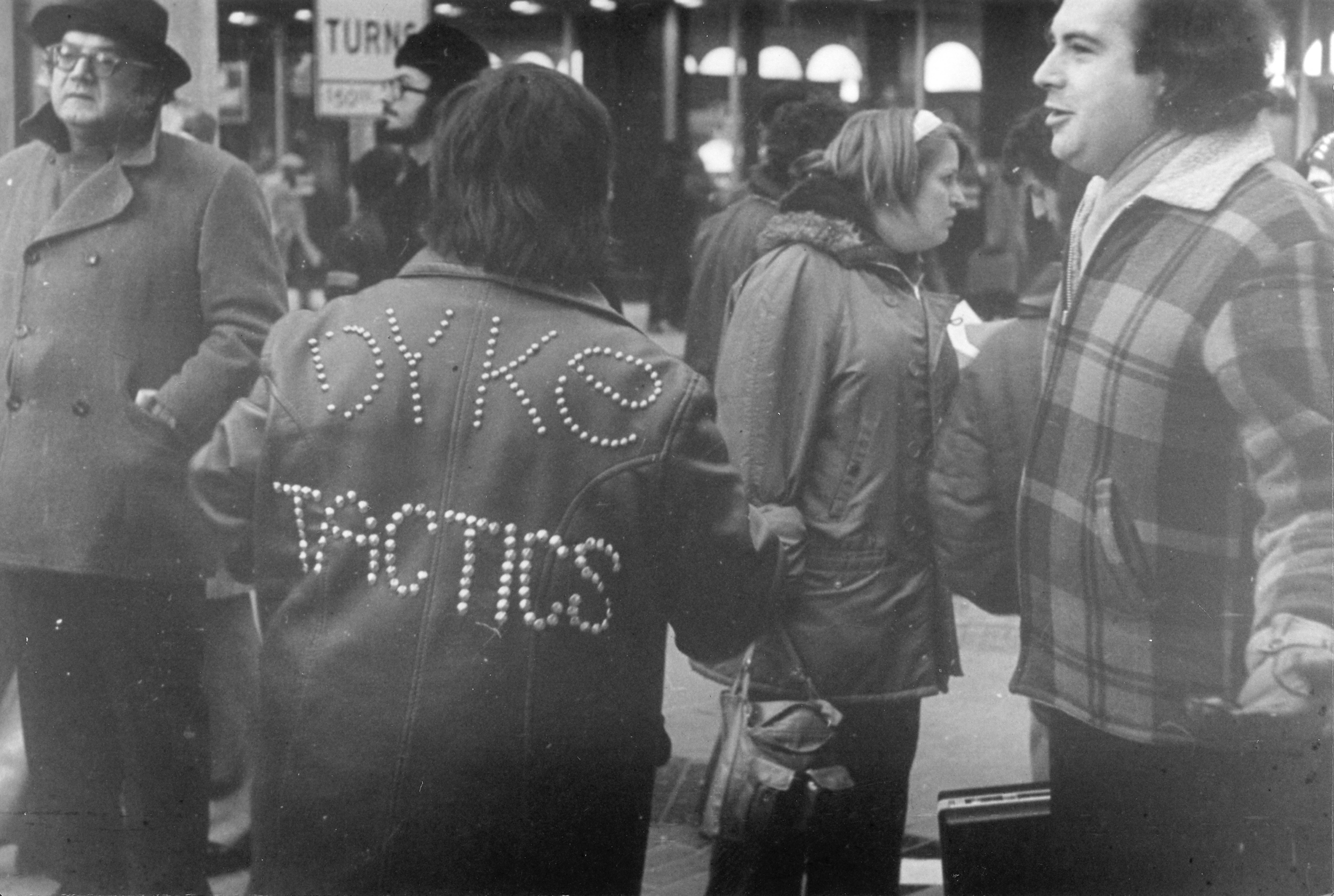
Dyketactics!, a new group of lesbian feminist activists, also attended the protest. While many GAA members insisted on a silent protest, Dyketactics! favored disruptive methods, showing up with megaphones and staging guerrilla theater with a giant witch puppet outside of City Hall. On the fourth day, police responded violently to protestors, assaulting them and forcibly ejecting them from city council chambers.
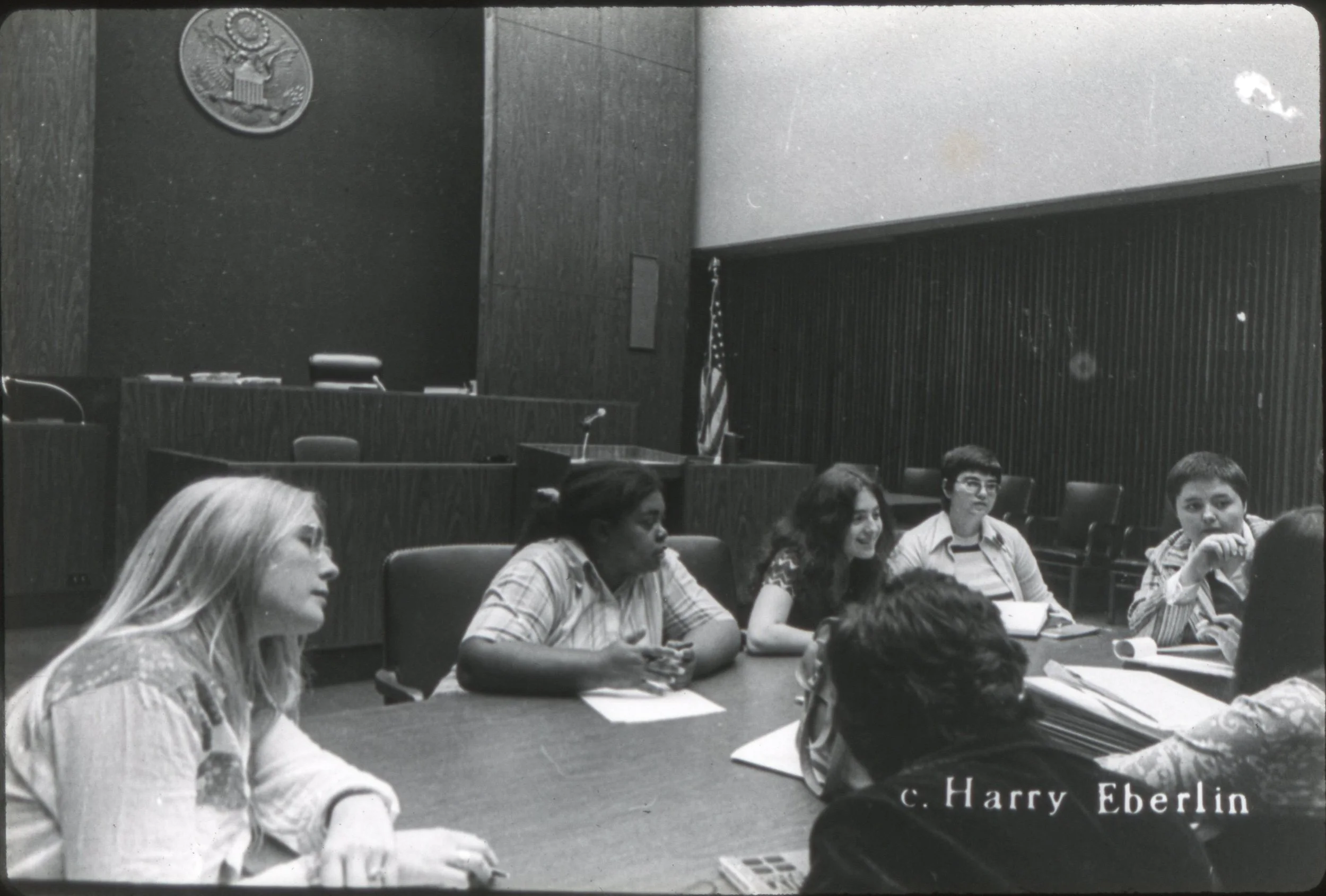
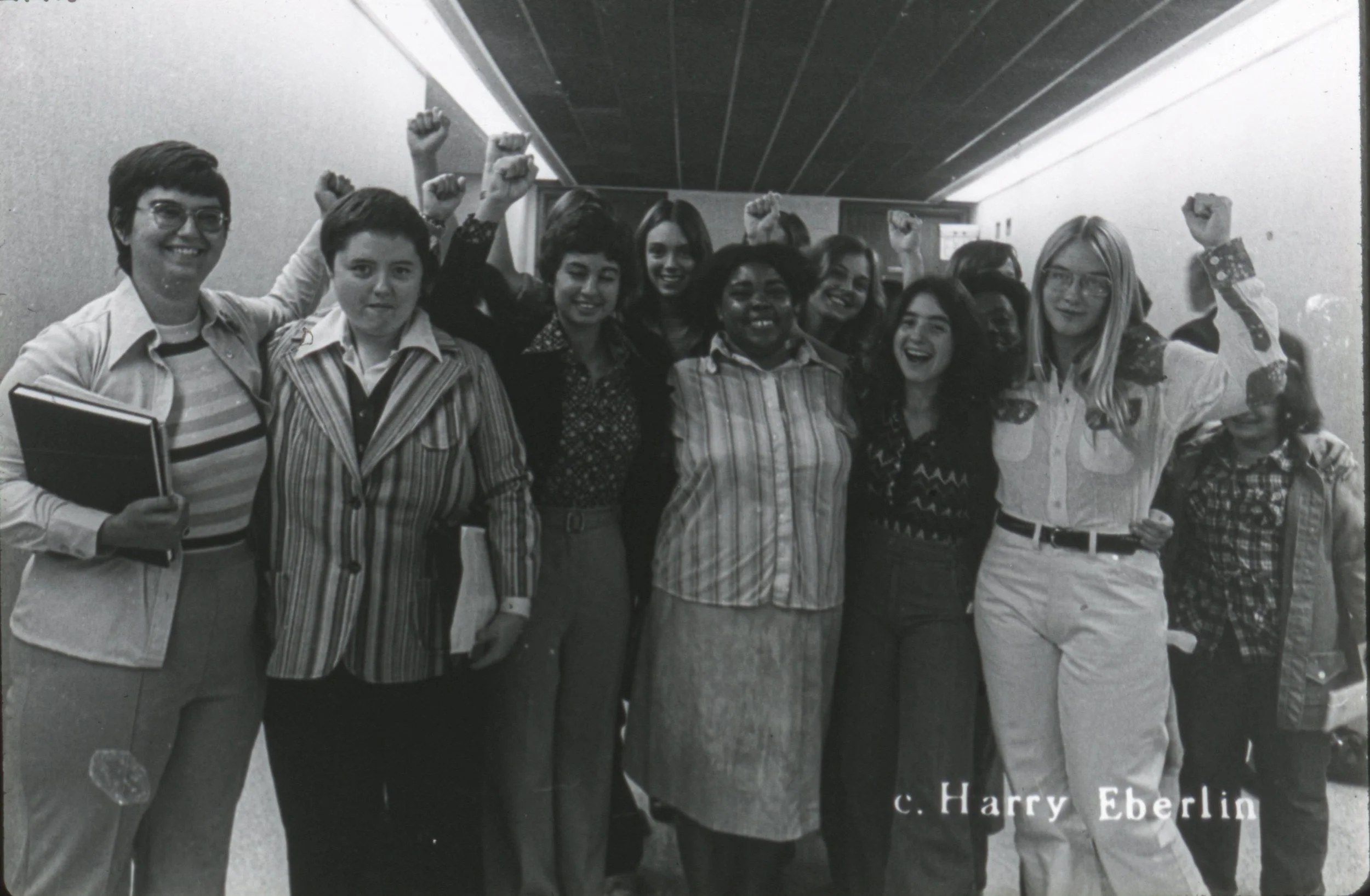
In 1976, six members of Dyketactics! sued the city for police brutality. The legal case became a rallying point for the community, with lesbian and gay dances held across the city for their defense fund. Although the case was unsuccessful, its impact on the community was significant, and Dyketactics! stayed active throughout the Bicentennial, staging some of the most creative and memorable protests in Philadelphia.
After years of letters, advocacy, and direct action by LGBTQ+ groups, in 1975, Pennsylvania Governor Milton Shapp issued an anti-discrimination executive order on the basis of sexual orientation for the state government, becoming the first state in the US to do so. Governor Shapp’s anti-discrimination executive order made it possible for public officials in the state to come out without fear of repercussions for the first time, such as Walter Lear, who served as Pennsylvania’s State Regional Health Commissioner. Lear quickly became a prominent LGBTQ+ rights advocate. By the time Mark Segal began Philadelphia Gay News in January of 1976, Lear appeared on the cover of its first edition.
Amazon Country 9/19/76
Victoria Brownworth hosts Amazon Country with Roberta Hacker interviewing Linda Norwood and Sherrie Cohen of 'Dyketactics!'. Available online through the Lesbian Herstory Archives Audio/Visual Collections.
Photographs from the Philadelphia Evening Bulletin Photographs Collection, Temple University Special Collection Research Center:
(click to expand)
Photographs from the Harry R. Eberlin Photographs Collection, John J. Wilcox, Jr. Archives at the William Way LGBT Community Center
(click to expand)
Periodicals collection, John J. Wilcox, Jr. Archives, William Way LGBT Community Center
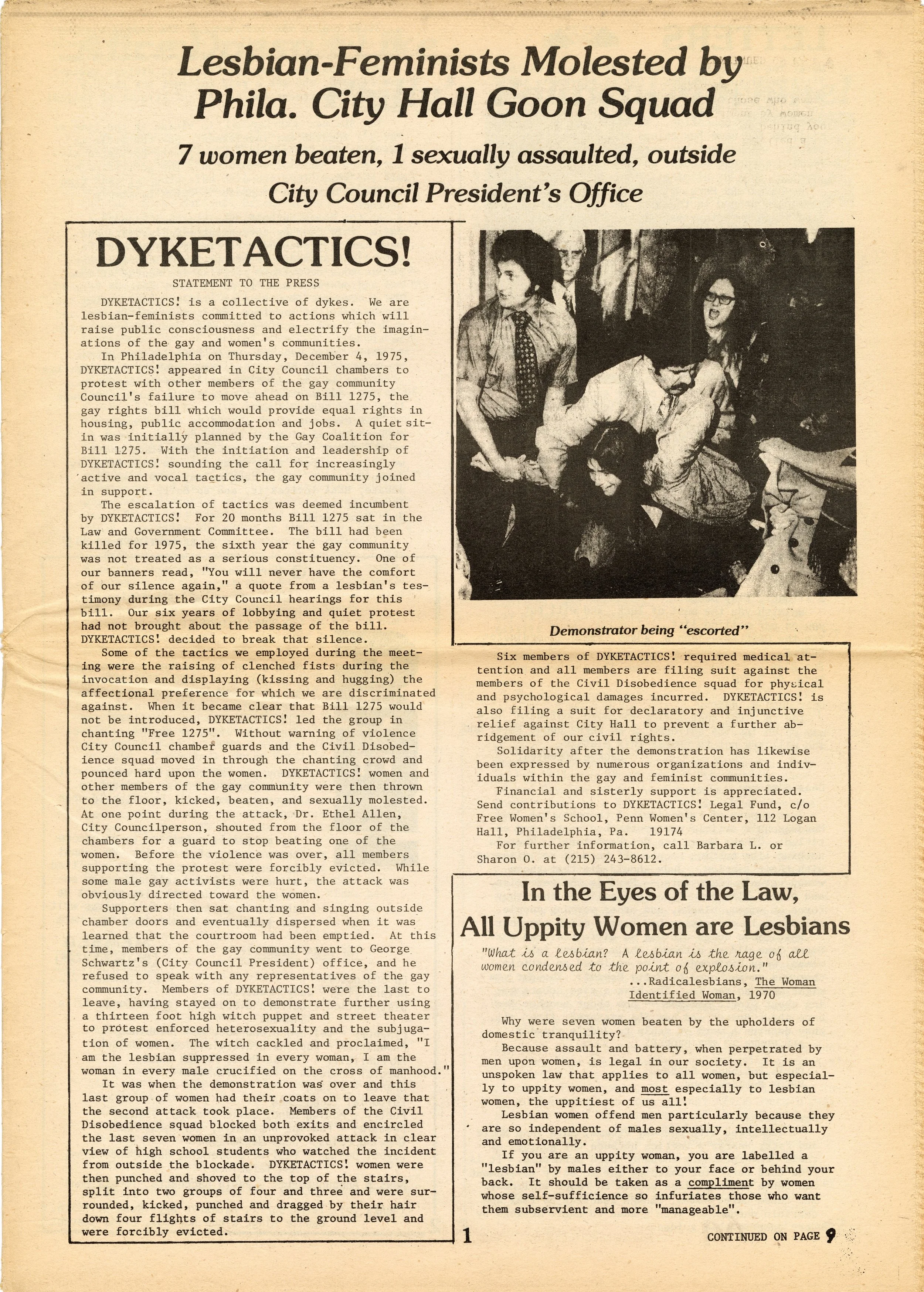
Periodicals collection, John J. Wilcox, Jr. Archives, William Way LGBT Community Center
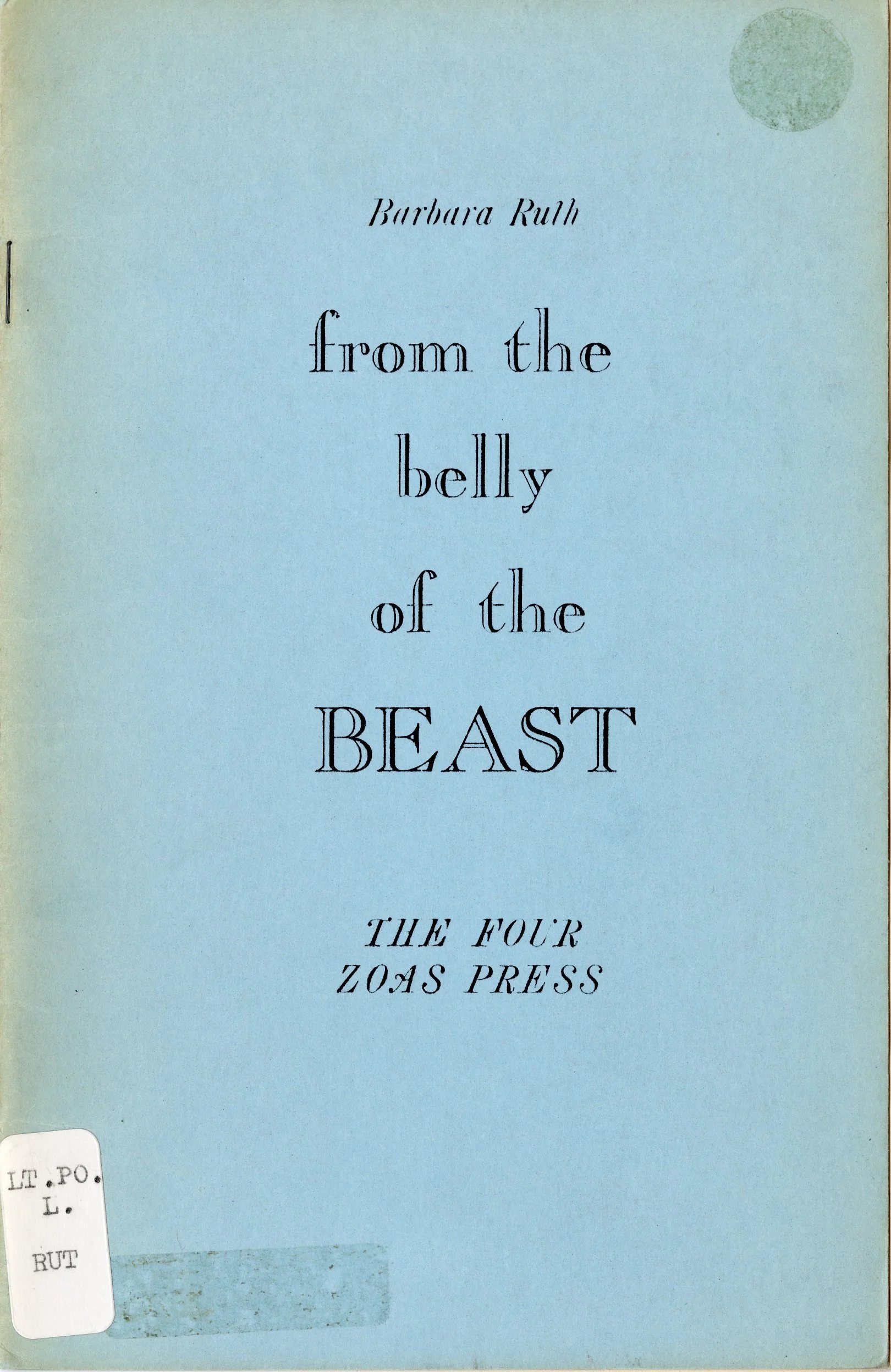
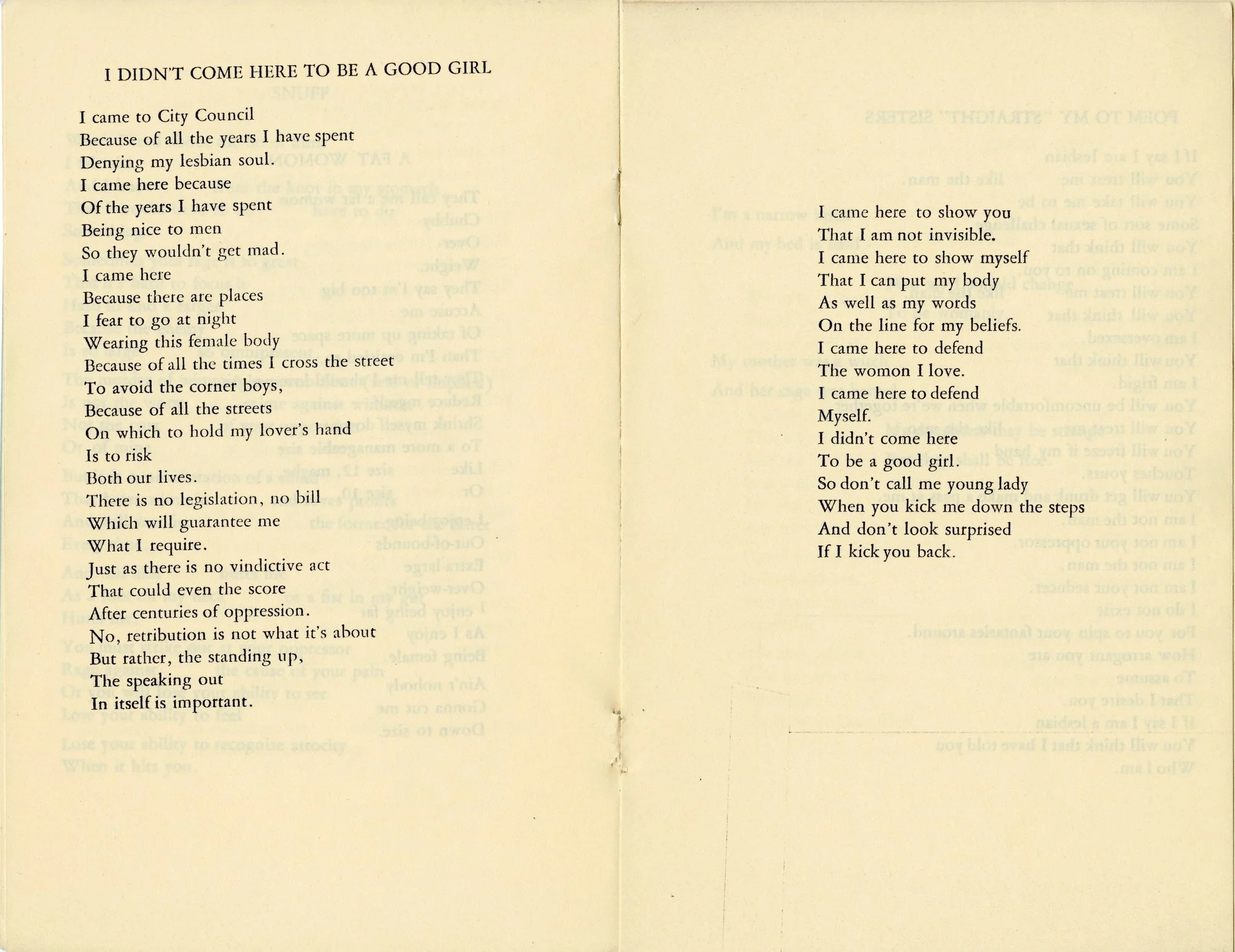
LGBT poetry, prose, music, and photography chapbooks, John J. Wilcox, Jr. Archives, William Way LGBT Community Center
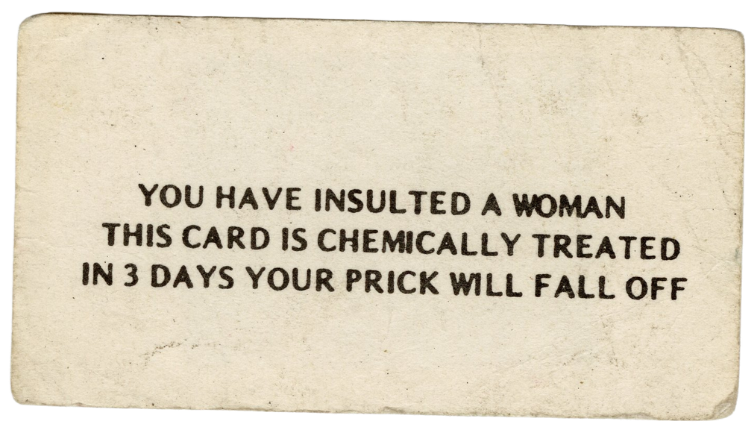
Tommi Avicolli Mecca collection, John J. Wilcox, Jr. Archives,
William Way LGBT Community Center
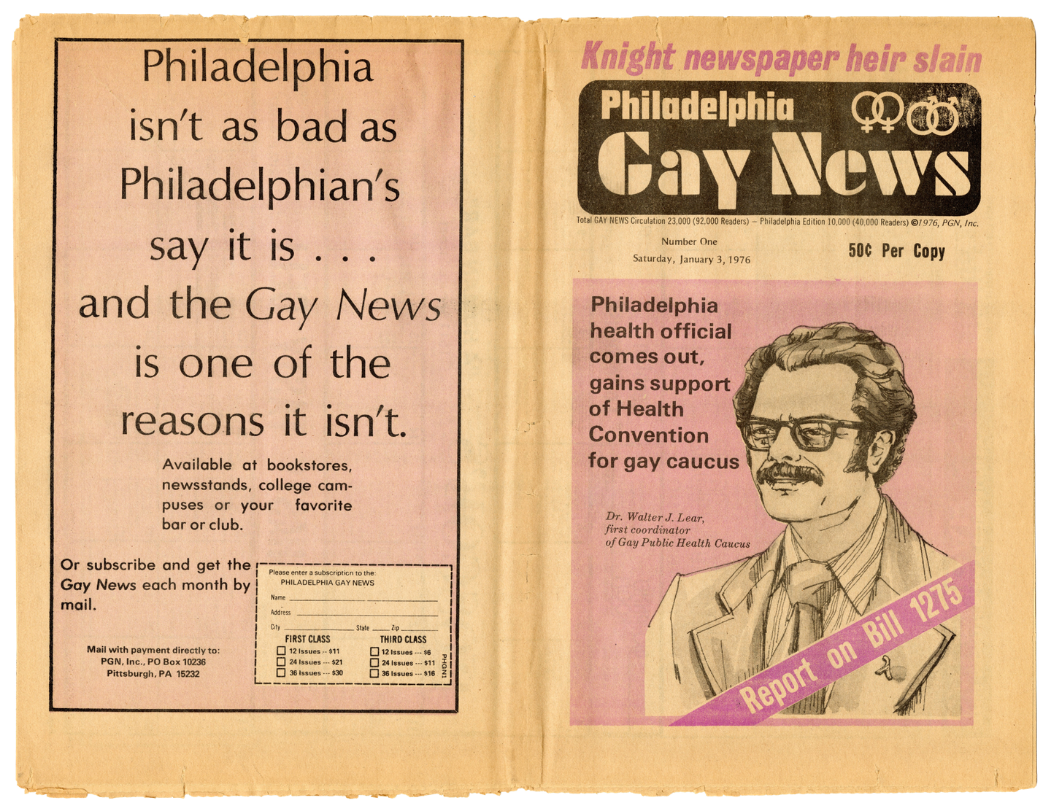
Periodicals collection
John J. Wilcox, Jr. Archives, William Way LGBT Community Center